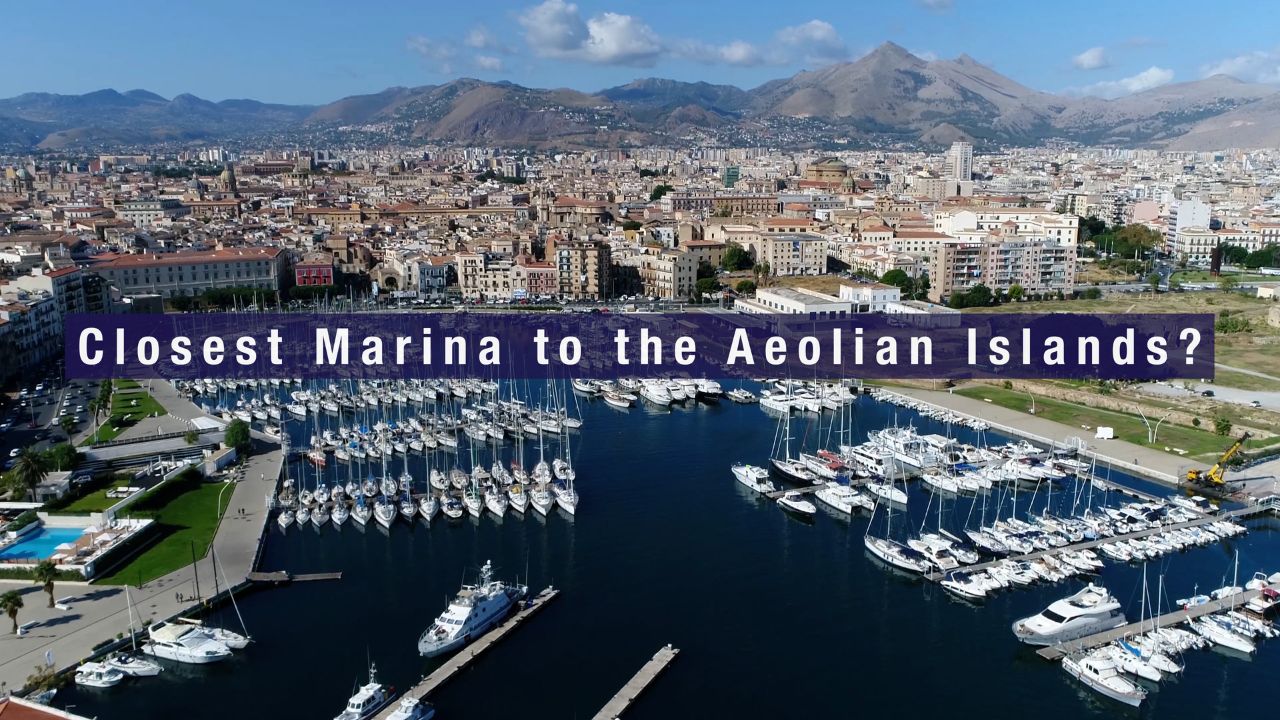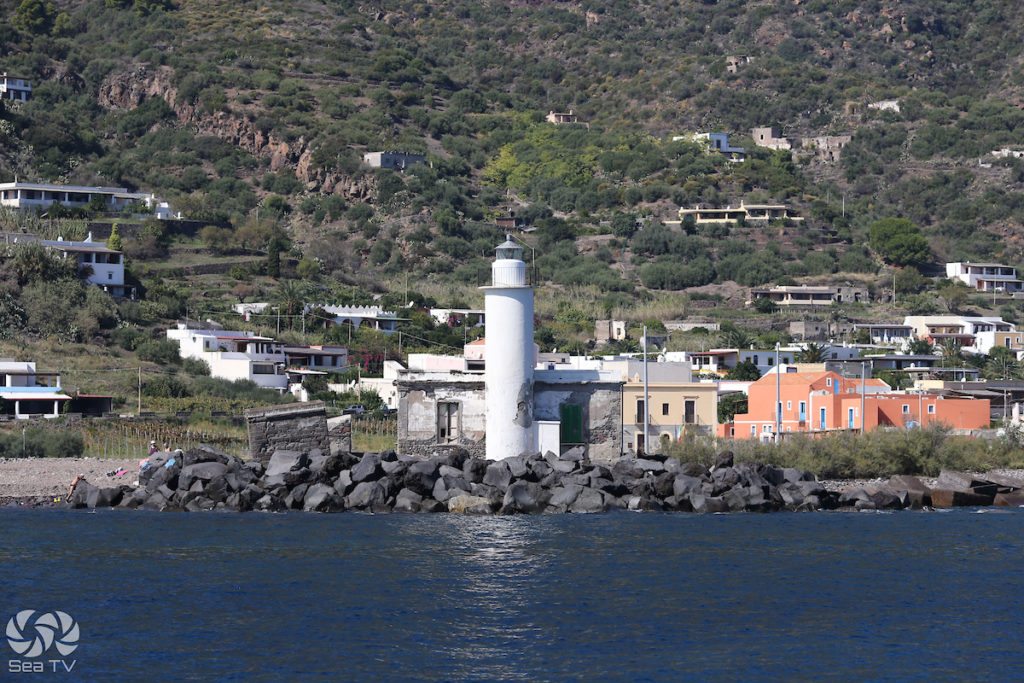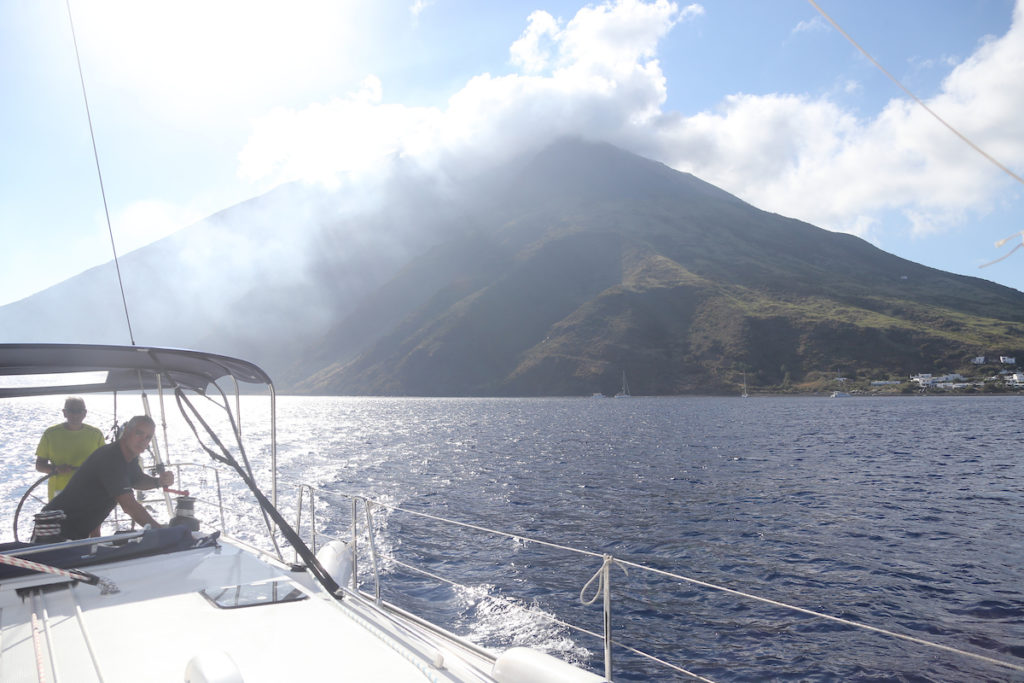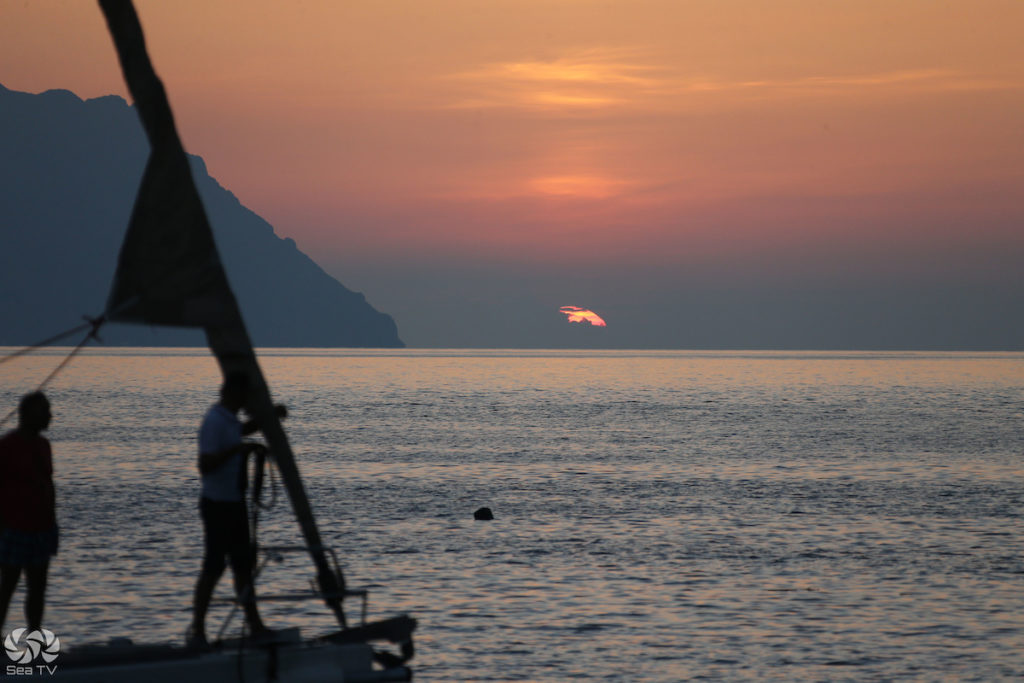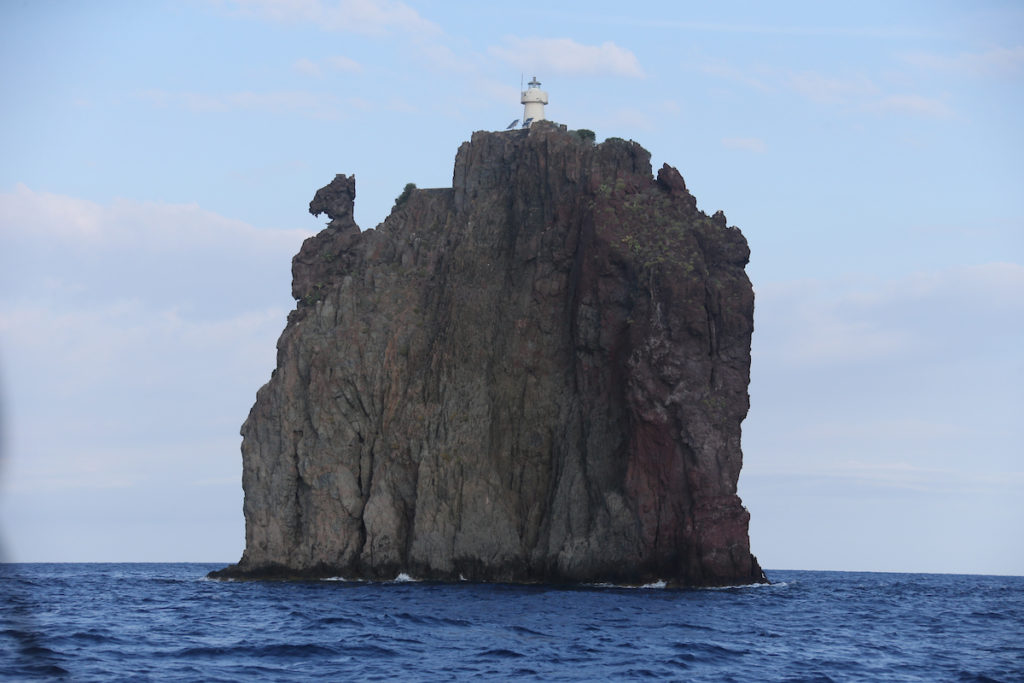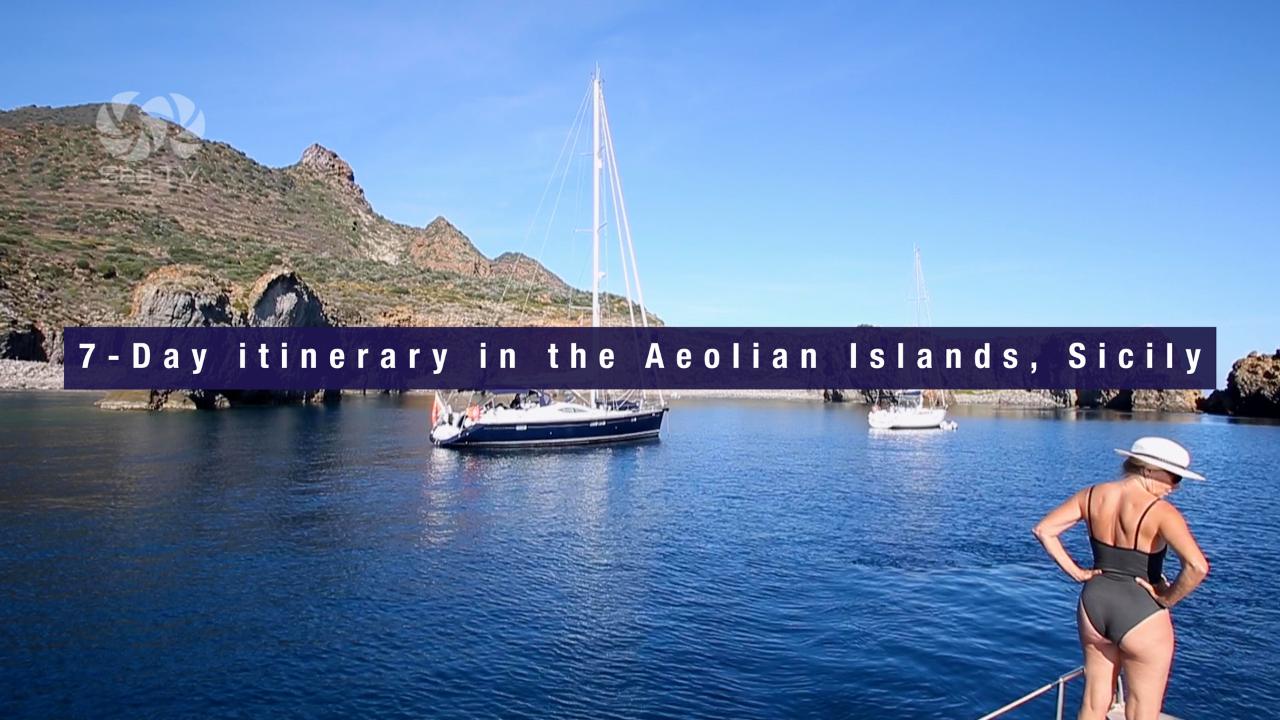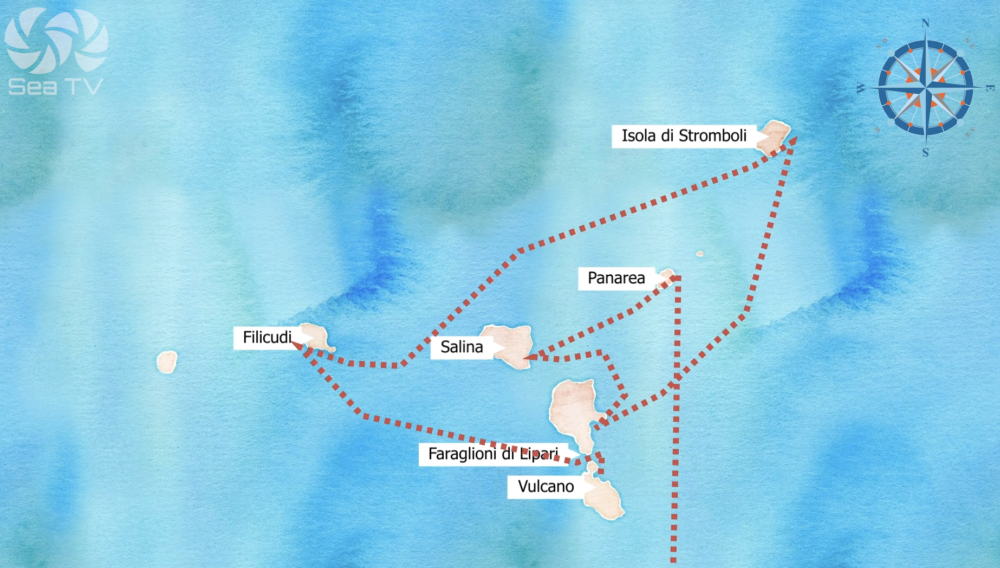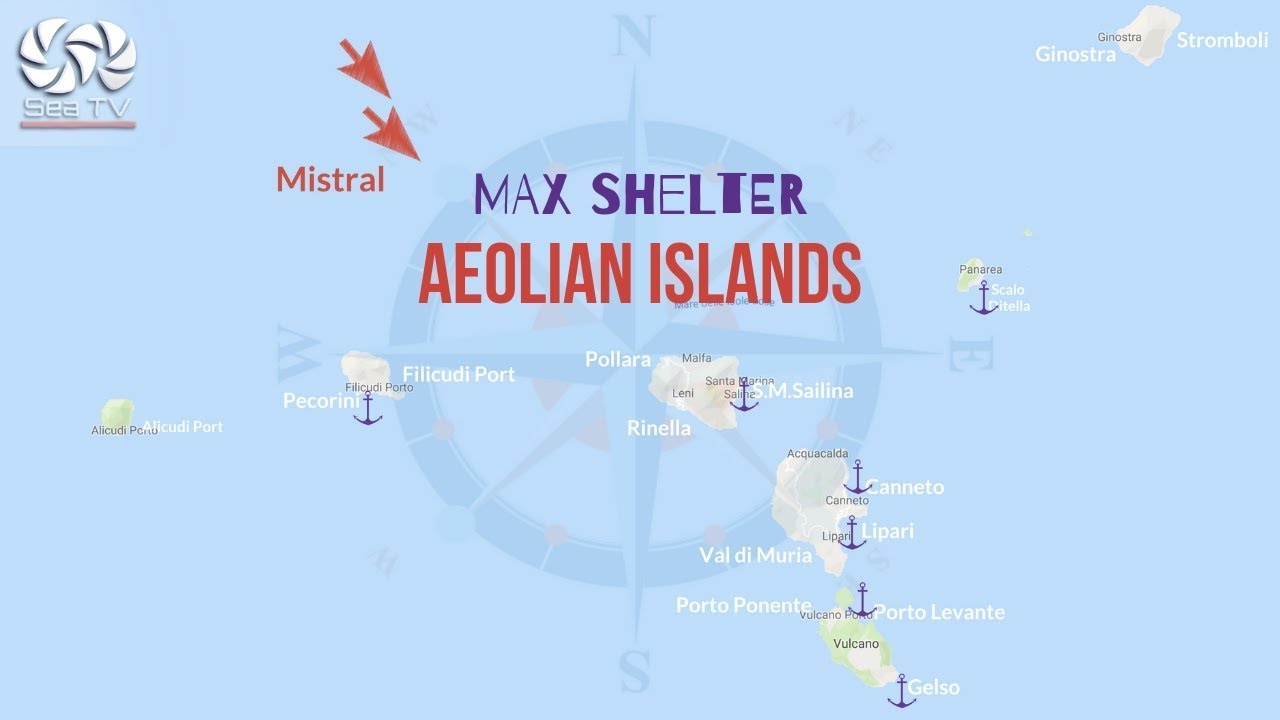
The Aeolian Islands — Isole Eolie — are a volcanic archipelago of seven islands north of Sicily. For sailors, they offer some of the most dramatic cruising in the Mediterranean: active volcanoes, deep cobalt water, and harbours carved straight out of lava cliffs. But they come with one rule that overrides everything else: where you anchor depends on which wind is blowing.
Every harbour in the Aeolians is exposed to at least one direction. There are no all-weather marinas. Plan around the wind, and the islands open up to you. Ignore it, and you will spend the night dragging anchor or running for shelter at 02:00. This guide breaks down the seven Mediterranean winds you need to know, and the lee-side anchorage to choose for each.
️ The Seven Winds of the Mediterranean
Italian sailors have named the winds for centuries. The rosa dei venti — wind rose — appears on every Italian chart and cruising card. Before you sail the Aeolian Islands, learn these seven names. They are how locals talk about weather, and they are printed on every harbour information board.
| Wind name | Direction | Character |
| Tramontana | N | Cold, dry. Strong in winter and shoulder seasons. |
| Grecale | NE | Builds short, steep seas in the channels between islands. |
| Levante | E | Humid, persistent. Can last for days. Opens all east-facing anchorages. |
| Scirocco | SE | Hot, sand-laden from North Africa. Haze and confused seas. Spring and autumn. |
| Libeccio | SW | Strong, gusty. Dangerous on western coasts. |
| Ponente | W | Generally moderate. Summer afternoon thermal component. |
| Maestrale | NW | The dominant summer wind. 15–25 kts, gusts above 35 kts. Builds from midday. |
Seasonal pattern: In summer, expect Maestrale most days. In spring and autumn the wind clocks more — often Scirocco one day, Maestrale the next. Always check a 48-hour forecast before committing to a passage between islands.
⚓ Anchorage Strategy — The Core Rule
The principle is always the same: anchor on the lee side — the side of the island opposite to where the wind is coming from. Below is a working summary of each island and its sheltered anchorages, ordered as you are most likely to encounter them on a typical Aeolian charter.
️ Wind & Anchorage by Island
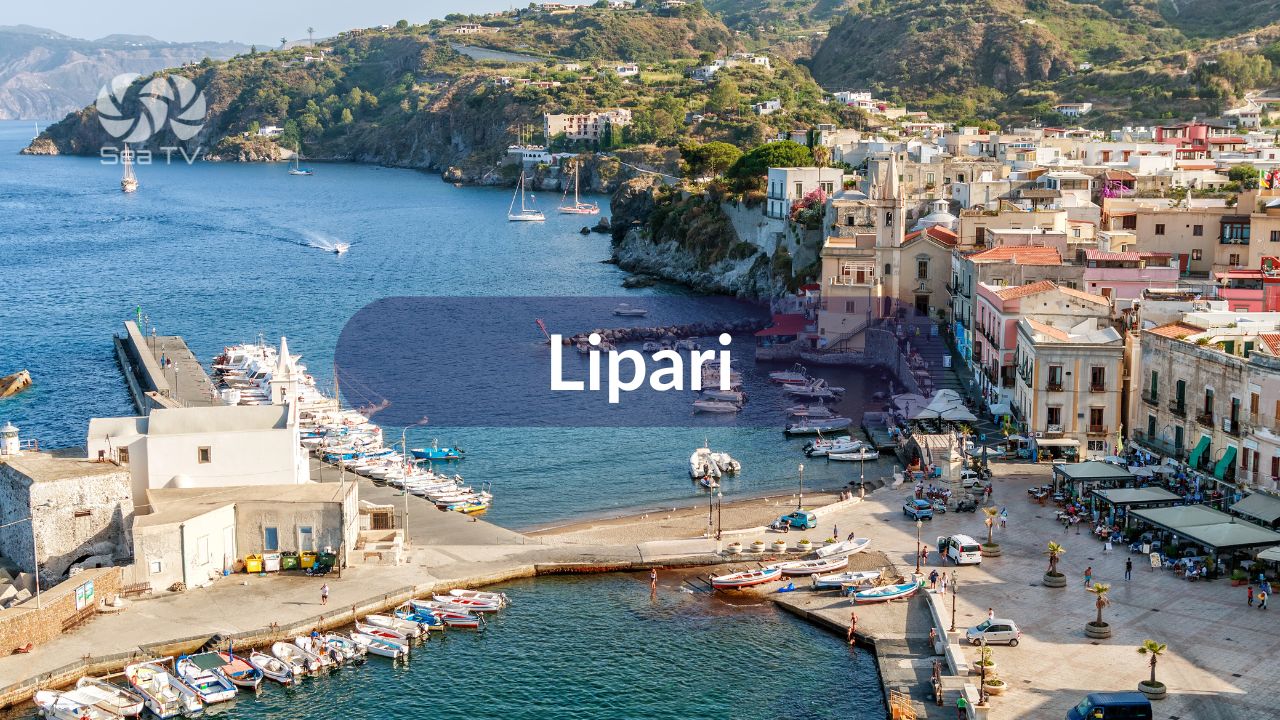
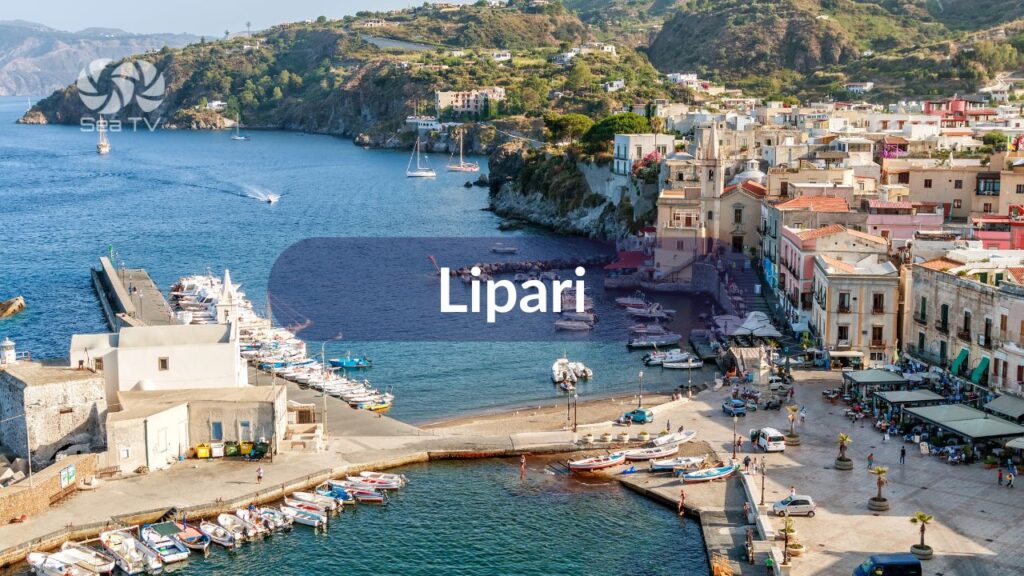
Lipari — The Hub
| Wind | Use this anchorage |
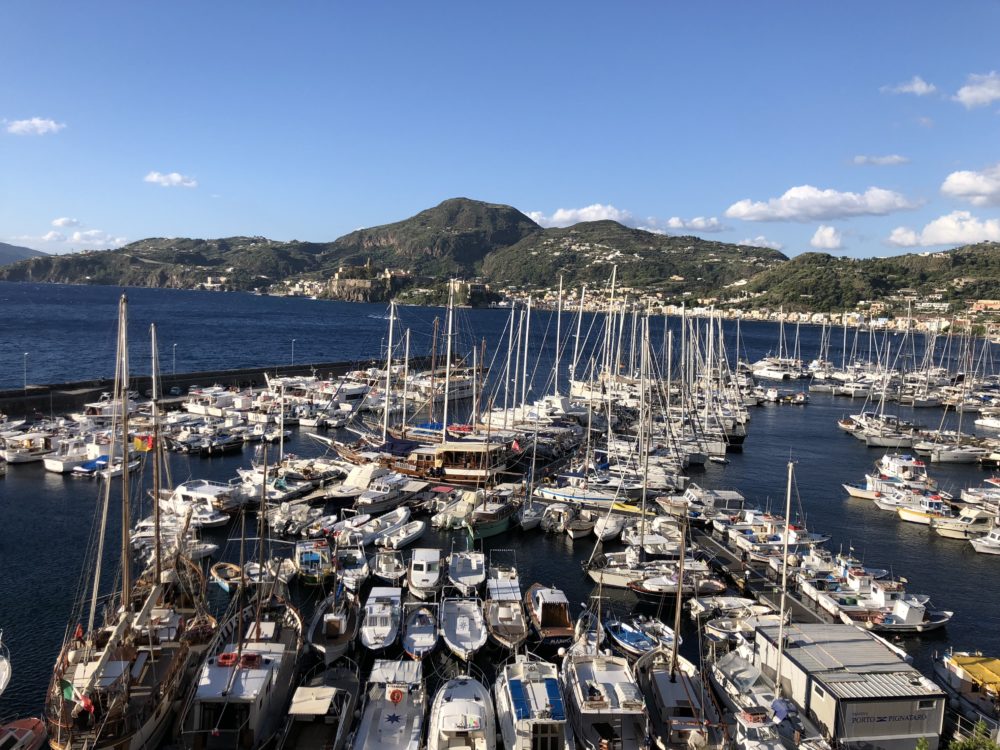
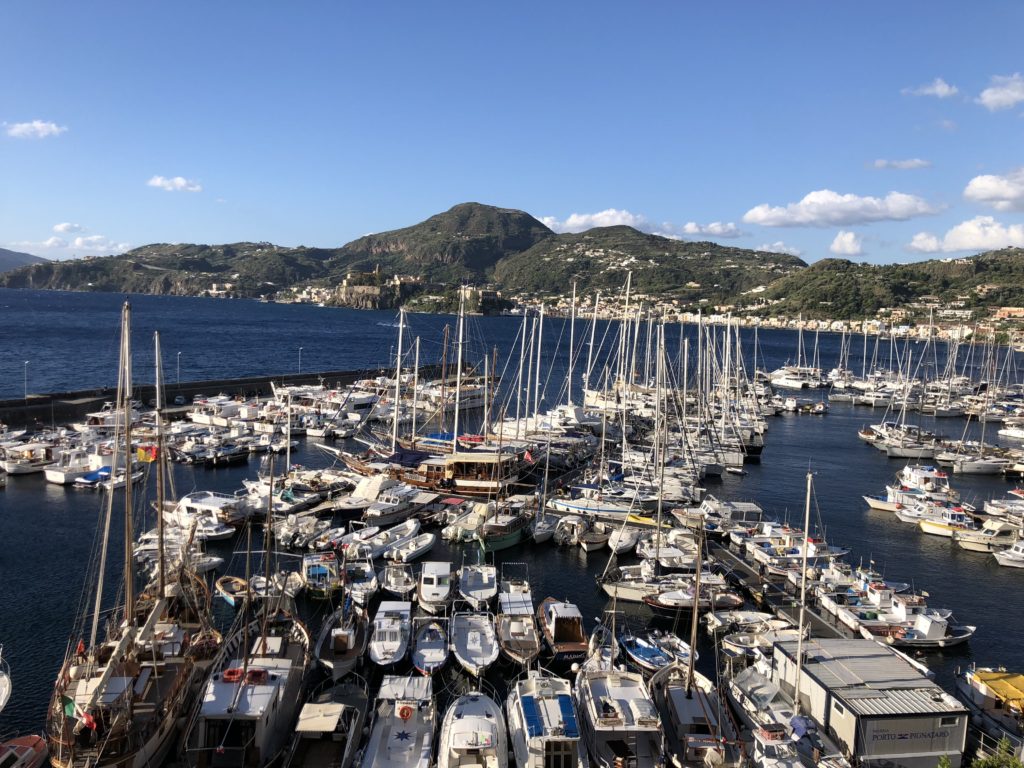
| Maestrale, Libeccio, Ponente (W/NW/SW) | Marina Lunga or Porto Pignataro — east coast, well sheltered. |
| Levante, Grecale, Scirocco (E/NE/SE) | Porto Ponente or Val di Muria — west side. Cross the island. |
Marina Lunga has five service columns providing water and electricity. Fuel at the Marina Lunga pontoons. Full provisioning in town. Watch: significant ferry wash from inter-island ferries and hydrofoils. Ferry traffic peaks morning and late afternoon — use generous fenders and a bow-out mooring.
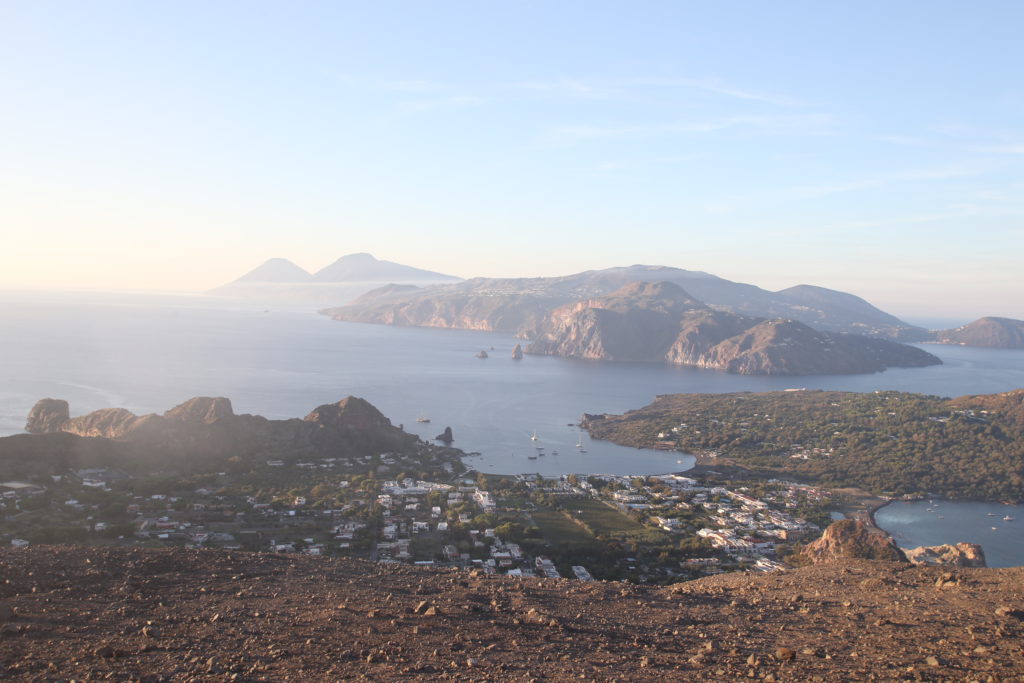
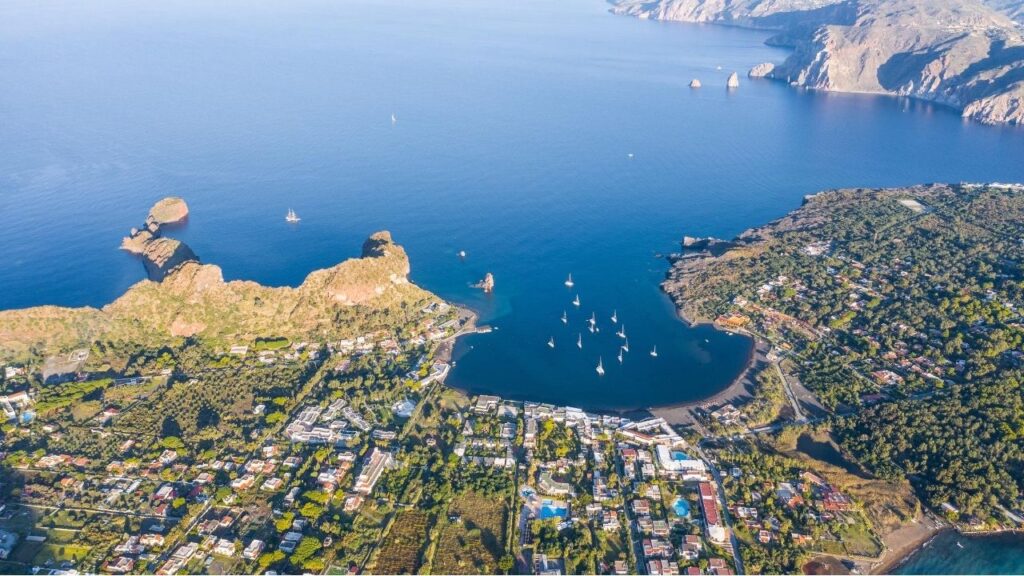
Vulcano — The Closest Crossing
| Wind | Use this anchorage |
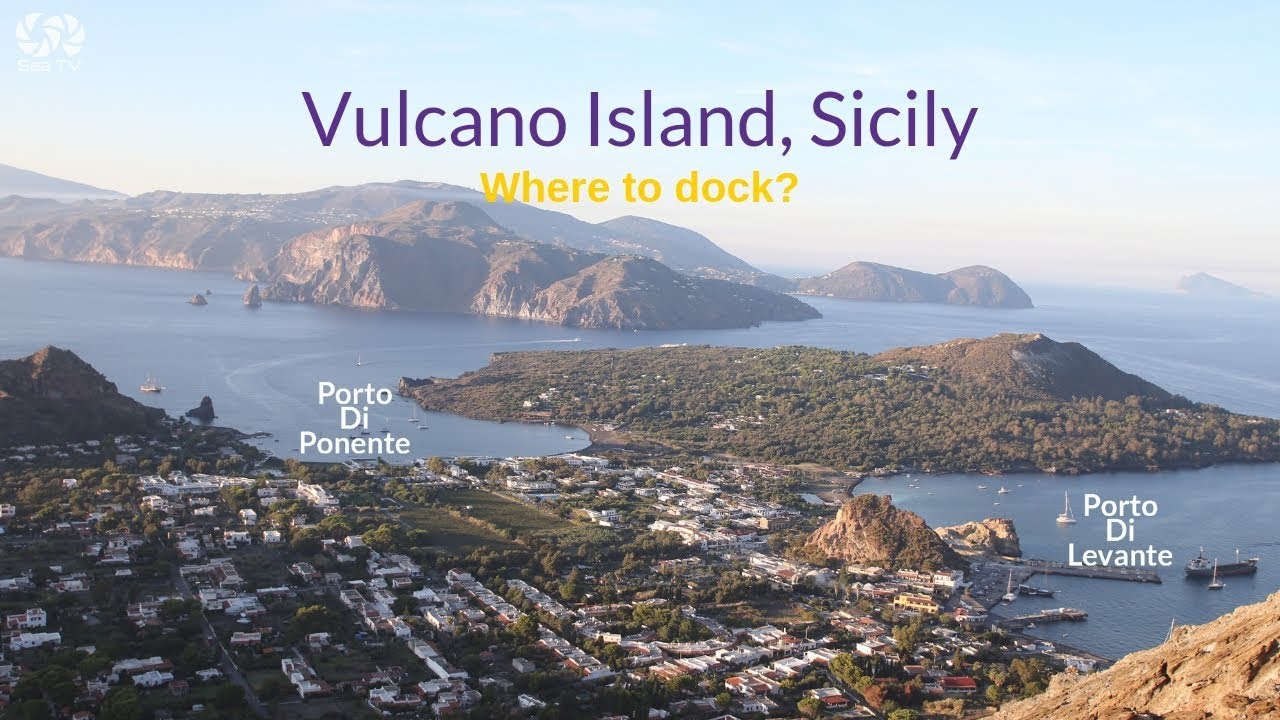
| Maestrale, Libeccio, Ponente (W/NW/SW) | Porto di Levante — north coast, standard stop. |
| Porto di Ponente (west bay) | Porto di Ponente — for Tramontana and NE winds. |
| Tramontana, Grecale (N/NE) | Gelso — south coast, calm conditions only. |
Porto Levante local rules: Tying to the tourist pier is forbidden. Anchoring within 50m of the beach is prohibited. Anchor offshore in 5–10m on sand, clear of the ferry turning area.
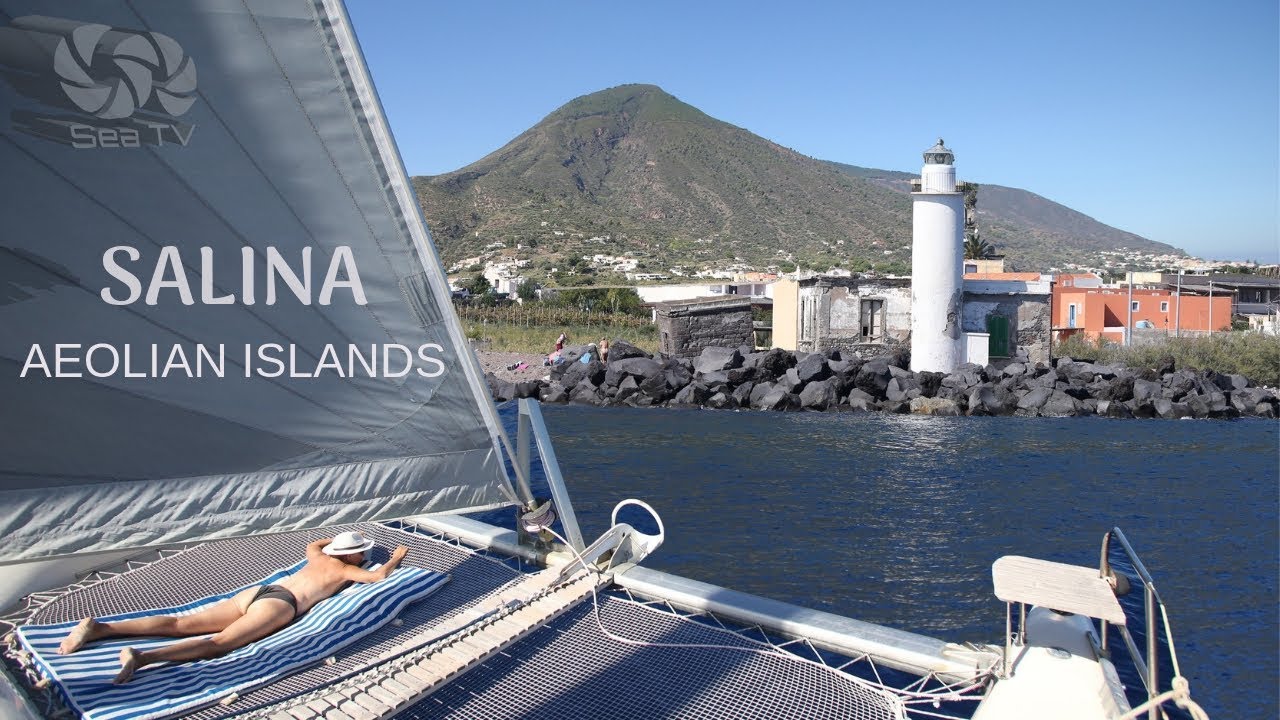
Salina — The Green Island
| Wind | Use this anchorage |
| Maestrale, Libeccio, Ponente (W/NW/SW) | Santa Marina Salina or Lingua — east coast. |
| Grecale, Levante (NE/E) | Pollara — west coast (the Il Postino cove). Enter from NW. |
| Tramontana, Maestrale (N/NW) | Rinella — south coast. |
Fuel at Santa Marina, water on the tourist mole. Watch: ferry wake at Santa Marina is significant and constant. Set your snubber and check chafe points before settling in for the night.
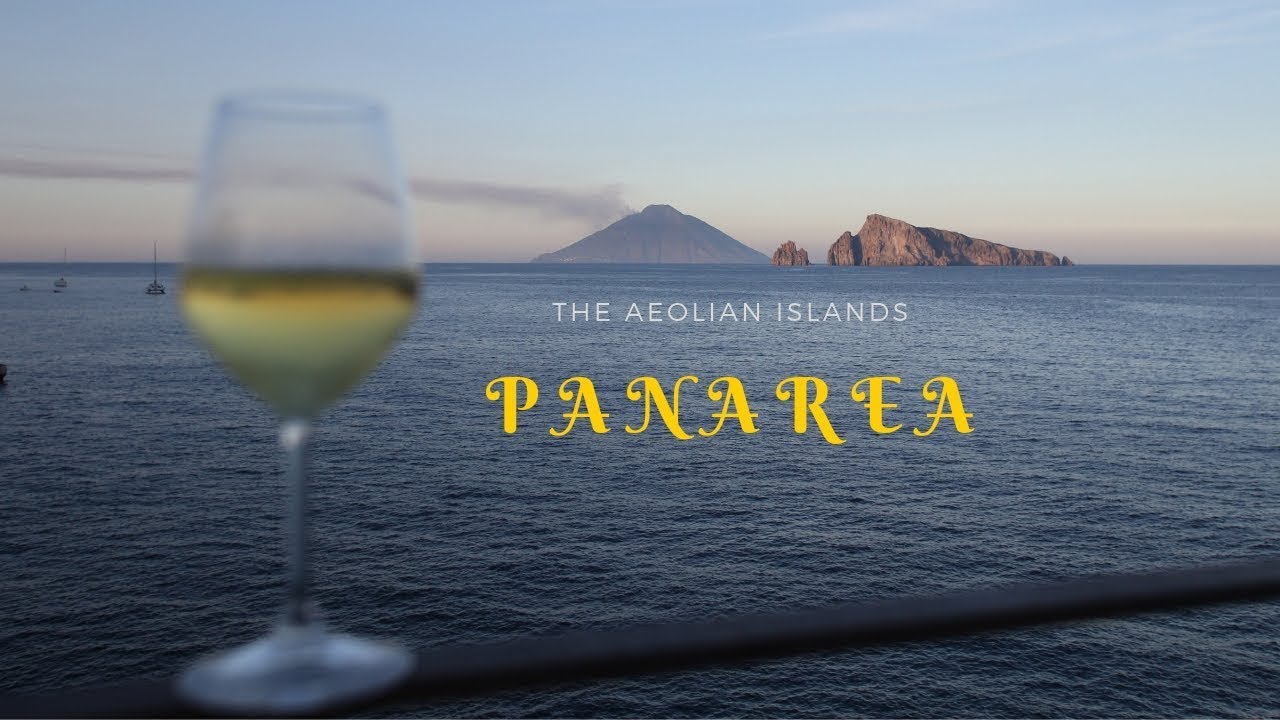
Panarea — The Smallest and Most Restricted
| Wind | Use this anchorage |
| Maestrale, Libeccio, Ponente (W/NW/SW) | San Pietro (Scalo Ditella) or Baia Milazzese / Cala Zimmari — north and east sides. |
⚠ Anchoring restriction — Cala Junco: Cala Junco is closed to all vessels from 1 June to 30 September as part of the marine protected area regulation. Plan an alternative for that period. The island is also surrounded by an underwater platform with reefs and islets — chartplotter at maximum zoom throughout.
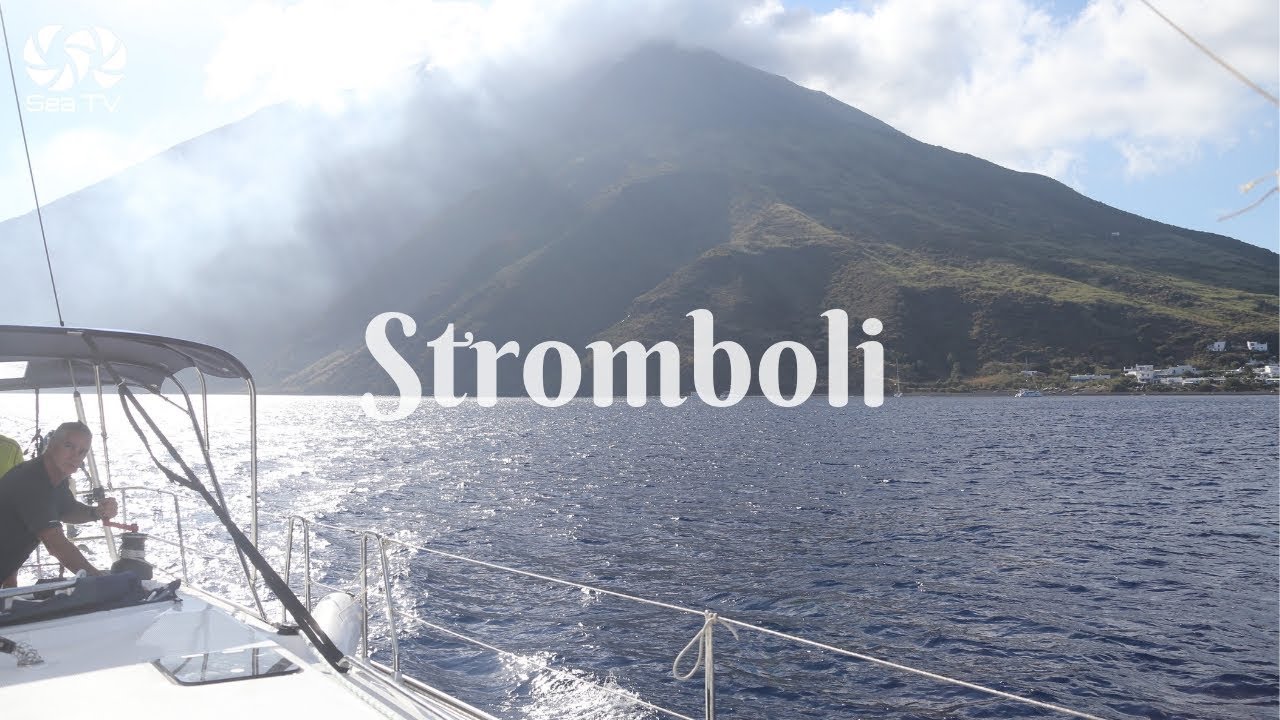
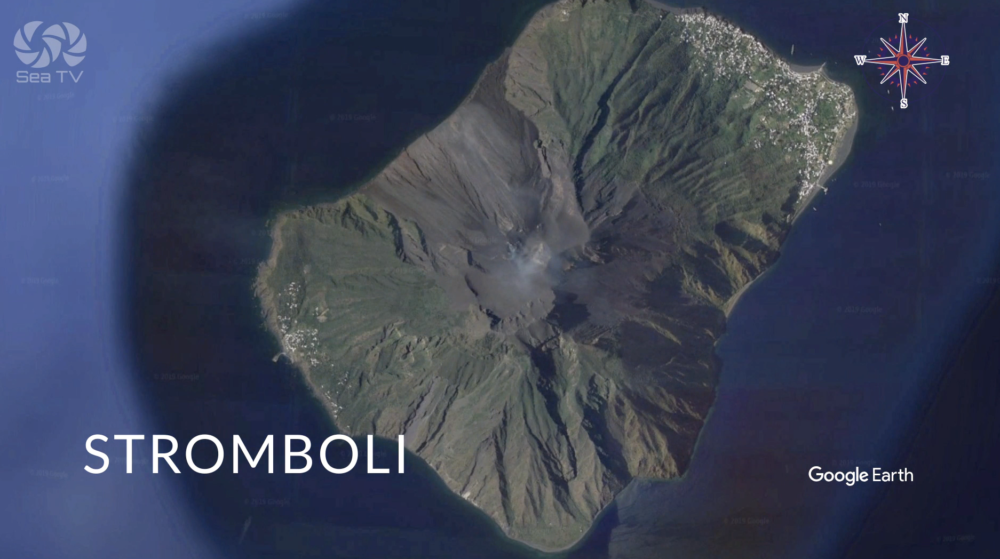
Stromboli — The Active Volcano
| Wind | Use this anchorage |
| Libeccio, Ponente, Maestrale, Tramontana (W/NW/N) | Ficogrande / Scari — northeast side. Buoy field VHF 16/77. |
| Levante, Scirocco (E/SE) | Ginostra — southwest. Tiny, exposed, small craft only. |
⚠ No sheltered harbour: There is no real harbour at Stromboli. Sail here only in settled forecasts. If the forecast shows any change, leave for Panarea or Salina before dark. Underwater cables on the charts — keep clear.
→ Full Stromboli sailing guide
Filicudi — Small and Specific
| Wind | Use this anchorage |
| General (settled conditions) | Filicudi Porto — anchor 100m offshore, SE side. Ferry/hydrofoil pier — do not tie to it. |
| Tramontana, Grecale (N/NE) | Pecorini a Mare — southwest side. Mooring buoys in season (Pippo, I Delfini). Recommended over anchoring on patchy ground. |
Alicudi — The Wild West
| Wind | Use this anchorage |
| Fully settled only | Alicudi Porto — south side only. Anchor in front of the stone beach south of the small jetty. |
⚠ Critical: If the forecast shows any deterioration, leave immediately for Filicudi or Lipari. There is no shelter on Alicudi if the wind picks up. Not an island for an overnight stop in uncertain conditions. No roads, no vehicles — mules only.
️ Quick Reference — Wind to Anchorage
| Island | NW / W Maestrale | NE / E Grecale / Levante | SE / S Scirocco | N Tramontana |
| Lipari | Marina Lunga / Pignataro | Porto Ponente / Val di Muria | Porto Ponente | Marina Lunga |
| Vulcano | Porto di Levante | Porto di Ponente | Porto di Ponente | Gelso (calm only) |
| Salina | Santa Marina / Lingua | Pollara | Santa Marina | Rinella |
| Panarea | San Pietro / Zimmari | San Pietro | San Pietro | San Pietro |
| Stromboli | Ficogrande / Scari | Ficogrande / Scari | Ginostra (small craft) | Ficogrande / Scari |
| Filicudi | Filicudi Porto | Pecorini a Mare | Filicudi Porto | Pecorini a Mare |
| Alicudi | Alicudi Porto (settled only). Leave if forecast deteriorates. | |||
✅ Pre-Departure Checklist
- Check 48-hour marine forecast before every passage — Météo/Meteo Mar VHF, Windy, PredictWind
- Identify the lee-side anchorage for your destination before departure
- Identify the fallback anchorage on the same island if wind shifts overnight
- Fuel and water topped up at Lipari or Salina — last reliable stops eastward
- Provisions for 2+ days — Panarea, Stromboli, Filicudi have almost nothing
- Snubber rigged and chafe points checked on anchor chain
- Charts loaded for all seven islands including approach waypoints
- Stromboli: guide booked in advance for crater hike if planned (daily limit)
- Panarea: confirm Cala Junco is not in closed season (1 Jun–30 Sep) if visiting
- Vulcano: verify mud baths are open (closures due to gas emissions occur)
- Torch ready for going ashore at Stromboli and Filicudi — no street lighting
Emergency Numbers
| Service | Contact |
| Italian Coast Guard (Guardia Costiera) | 1530 — 24h maritime emergency. Also VHF Ch 16. |
| Emergency (Police, Fire, Ambulance) | 112 — pan-European emergency number |
| Medical clinic — San Vincenzo (Stromboli) | +39 090 986097 |
| Porto Pignataro (Lipari) — VHF | Ch 09 |
| Scari buoy field (Stromboli) — VHF / Tel | VHF Ch 16/77 · Tel +39 090 986390 |
| Santa Marina Salina marina — VHF | Ch 16 / Ch 11 |
❓ Frequently Asked Questions
Can I sail the Aeolian Islands as a beginner?
The Aeolians are rated Level 2 — experienced sailors only. The wind systems are significant and the anchorages are all open to at least one direction. There are no all-weather marinas. A beginner should sail with an experienced skipper on the first visit.
What is the typical wind in summer?
Maestrale (NW) most days, building from midday to 15–25 kts with gusts above 35 kts. The morning is usually calmer — plan passages for early morning departures.
Are there squalls between the islands?
Yes — squalls can form between the islands, especially when the Scirocco is running. They are usually short-lived but can be intense. Always reef early and have a fallback anchorage identified.
Where is the best provisioning in the archipelago?
Lipari — the only island with a full range of supermarkets, chandlery, fuel, and water. Salina (Santa Marina) is the next best option. Panarea, Stromboli, Filicudi, and Alicudi have very limited or no shops.
What should I do if the wind increases overnight?
Identify the fallback before you anchor — always. If the wind shifts from the forecast direction or increases beyond the anchorage’s safe limit, the nearest fully sheltered options are Marina Lunga or Pignataro (Lipari) and Santa Marina (Salina). Stromboli’s anchorages can become untenable rapidly — always have a departure plan ready.
All SeaTV Island Guides
- Vulcano — Porto di Levante, Porto di Ponente, Gelso. Mud baths, Gran Cratere.
- Lipari — Marina Lunga, Porto Pignataro, Marina Corta, Canneto.
- Porto Pignataro — Best-sheltered marina on Lipari. VHF Ch 09.
- Salina — Santa Marina, Pollara, Rinella. Malvasia wine. Capers.
- Panarea — San Pietro, Cala Junco (Jun–Sep closed), Zimmari, Bottaro–Lisca Bianca.
- Stromboli — Scari / Ficogrande, Ginostra. Night lava. No sheltered harbour.
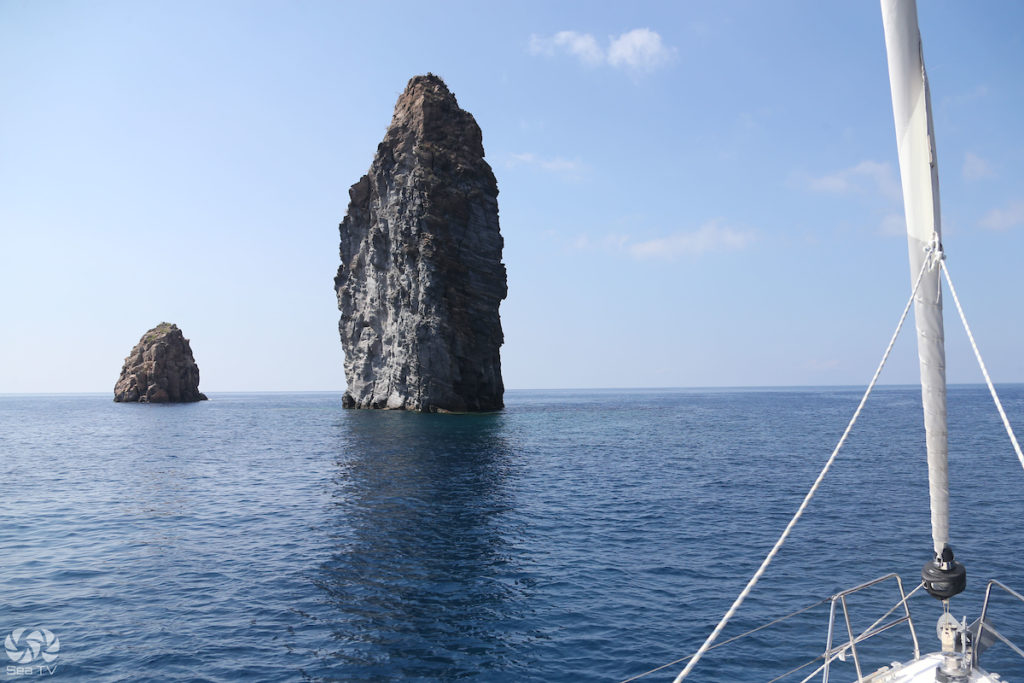
- Filicudi — Filicudi Porto, Pecorini a Mare. Grotta del Bue Marino. La Canna.
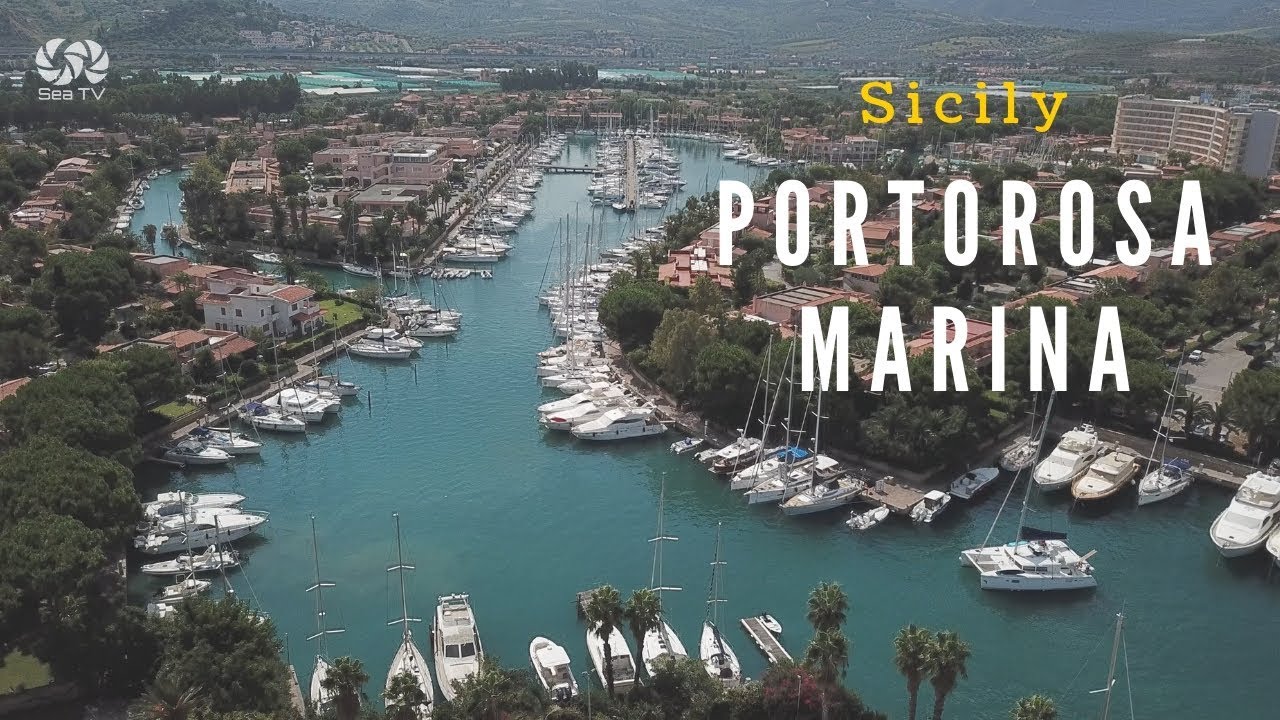
- Portorosa Marina — Sicily charter base. 700 berths. 15 nm to Vulcano.