SeaTV · Portugal · Azores Islands
Sailing the Azores — The Complete Guide to 9 Islands & 5 Marinas in the Mid-Atlantic
9 volcanic islands in 3 groups · 1,448 km west of Lisbon · 1,565 NM east of Bermuda · the standard transatlantic stopover for boats moving between the Caribbean and the Mediterranean · 5 marinas covering all the practical needs (Horta, Velas, Angra do Heroísmo, Praia da Vitória, Ponta Delgada). Sailing season is essentially year-round in the central group with the easiest weather window in May-September. The Azores high — the semi-permanent Atlantic anticyclone — sits over these islands and shapes the wind patterns of half the North Atlantic.
5 marina pages linked below · 1 suggested sailing route · cross-Atlantic context
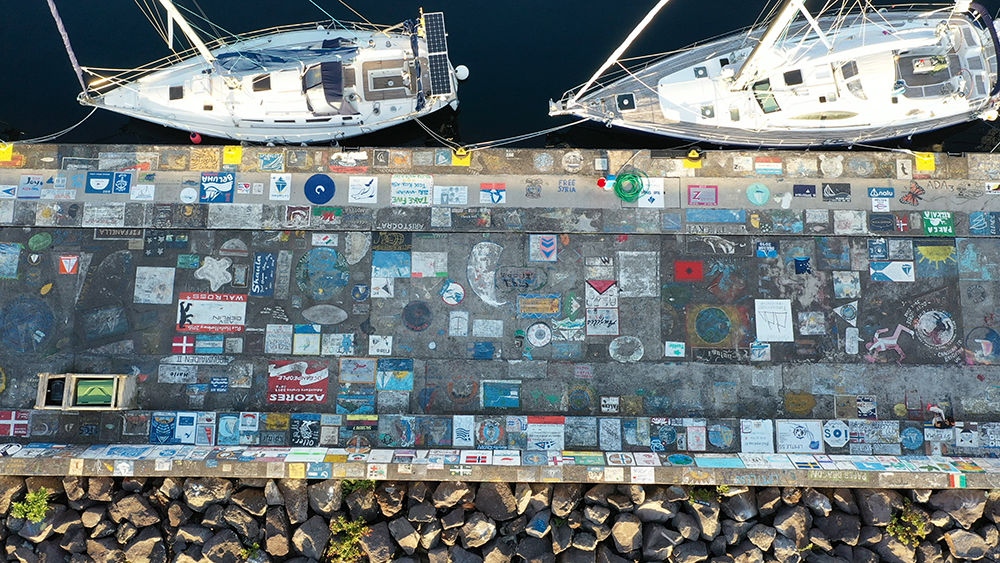
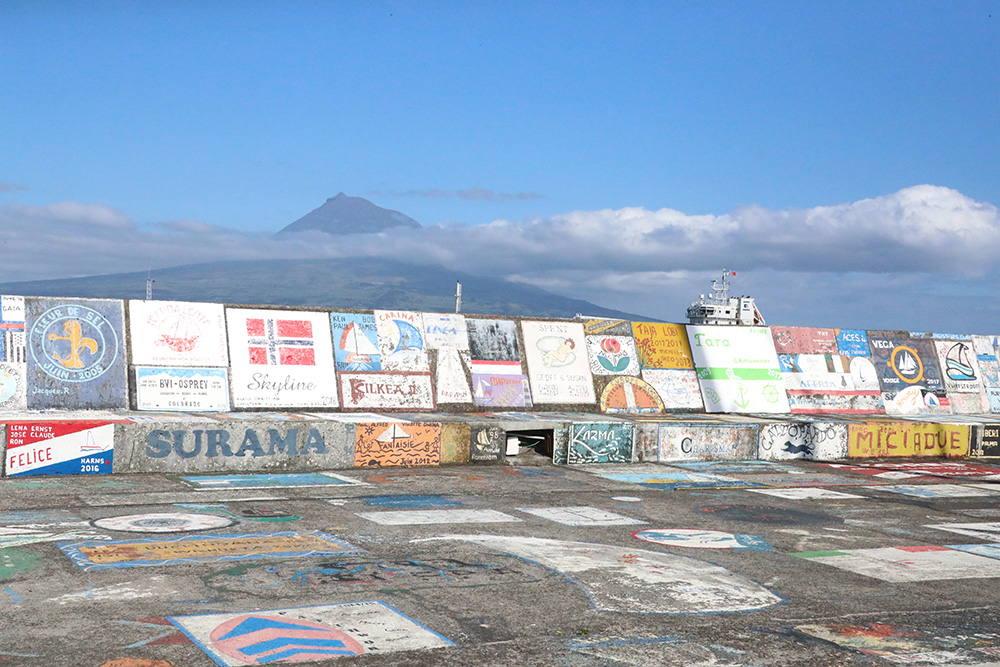
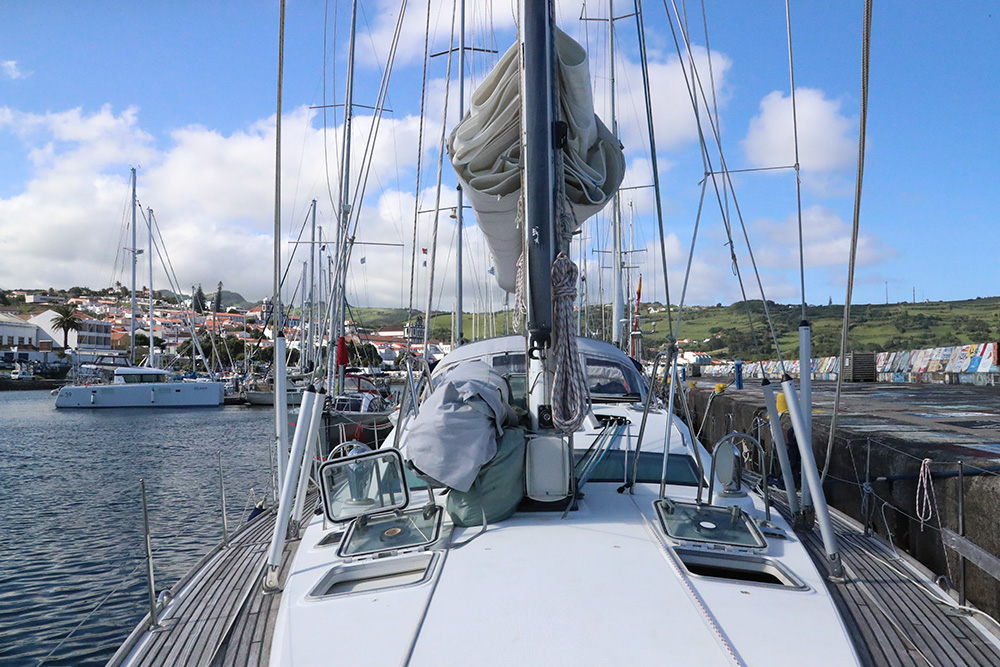
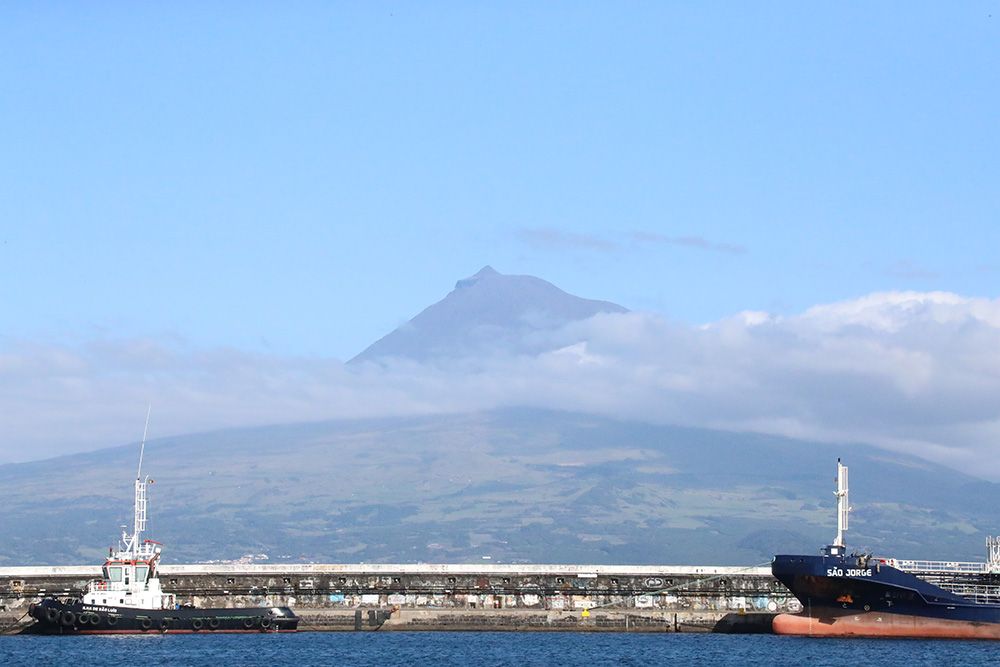
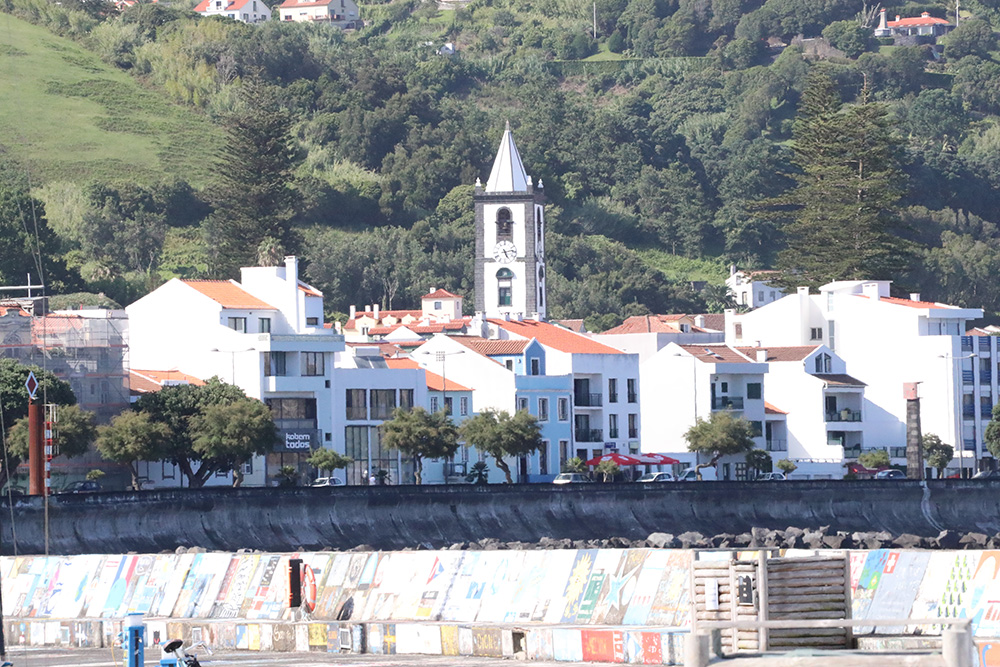
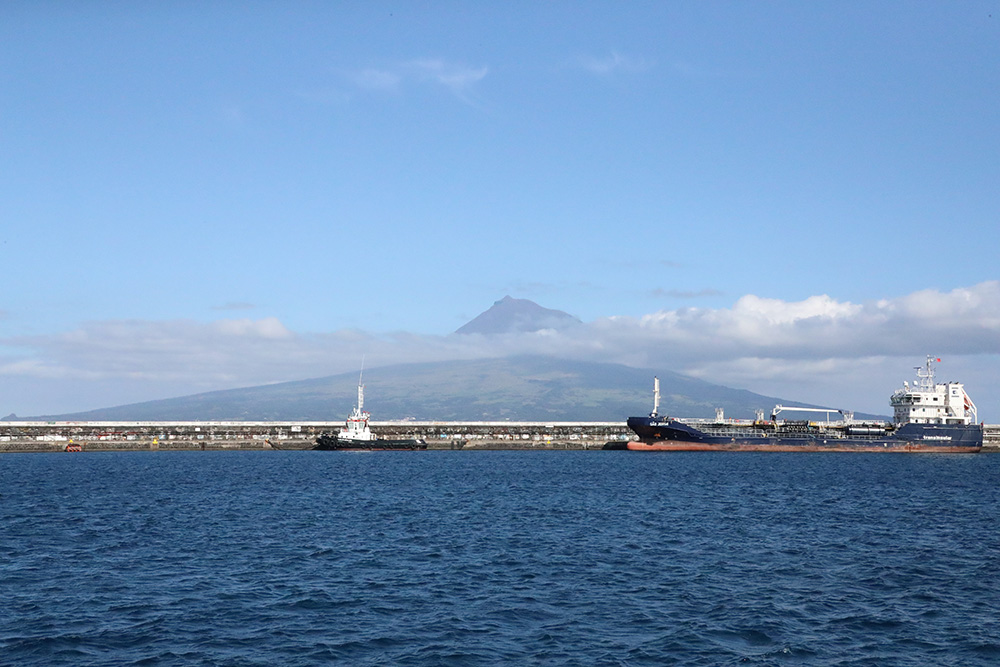
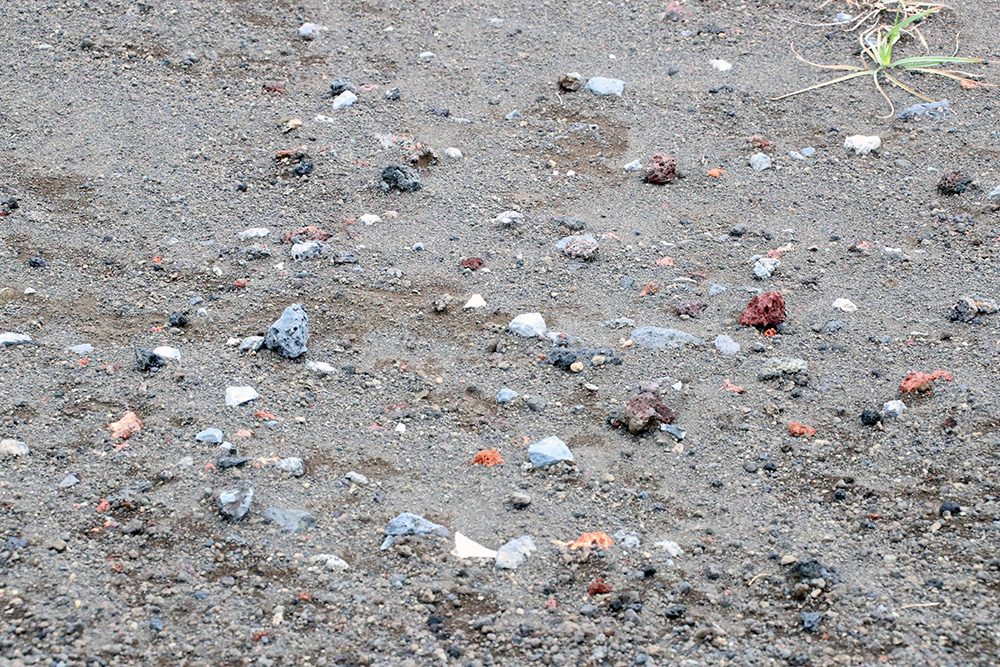
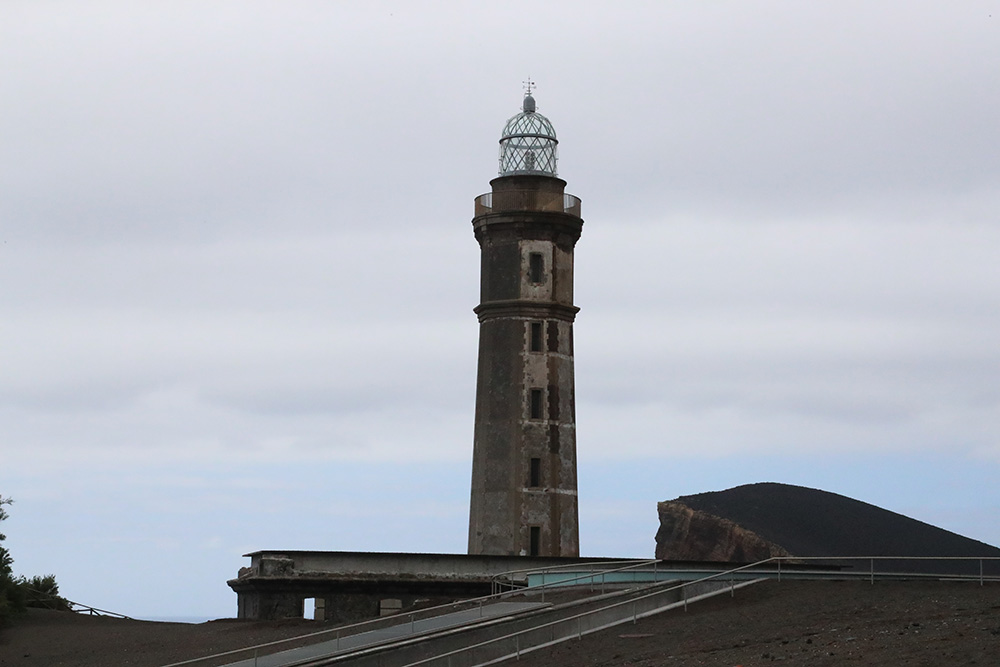
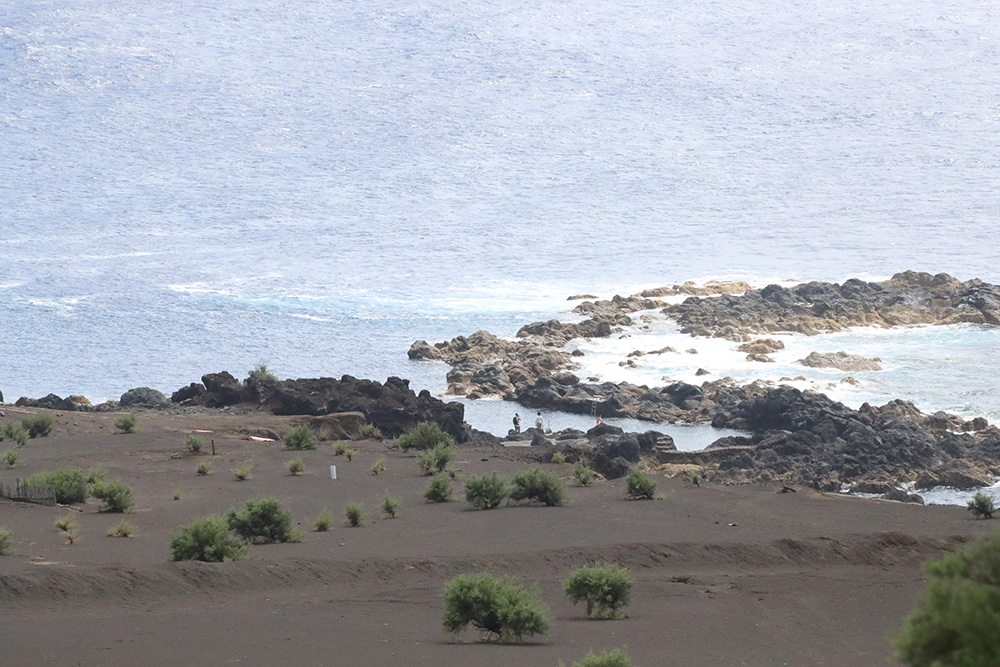
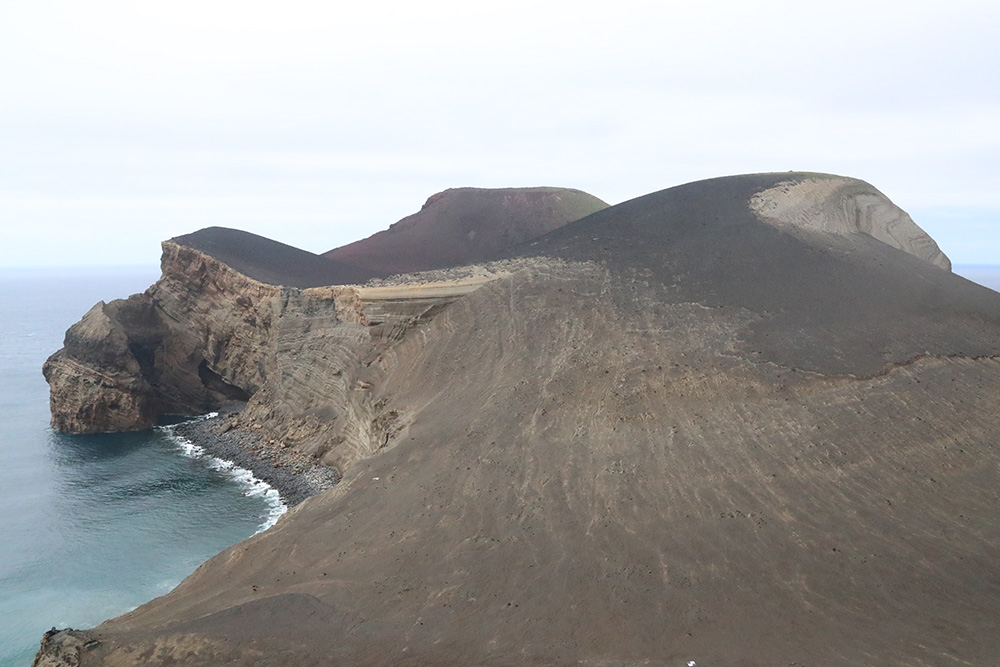
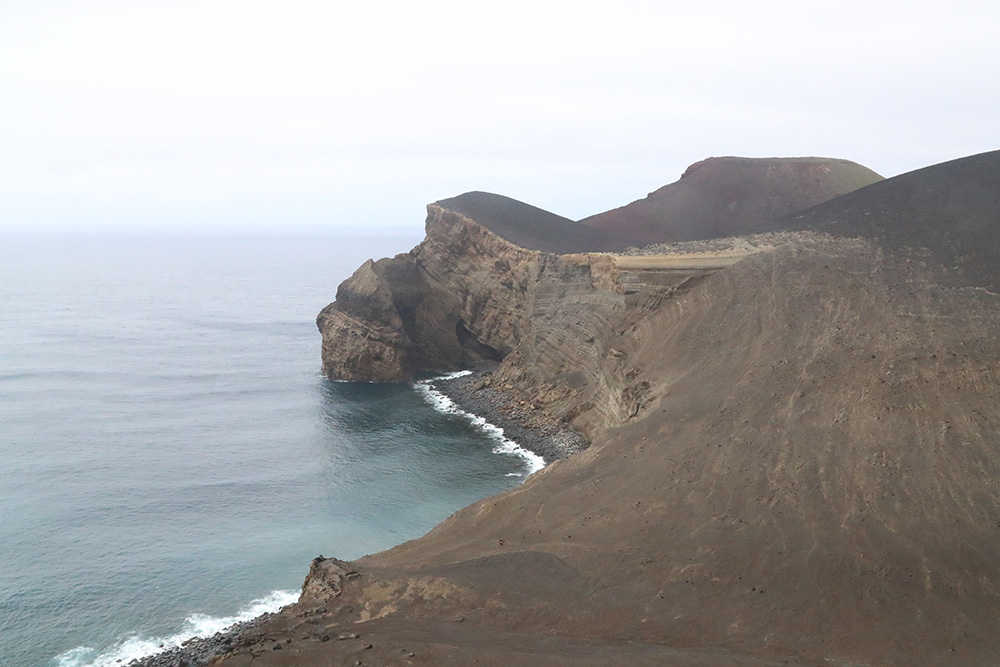
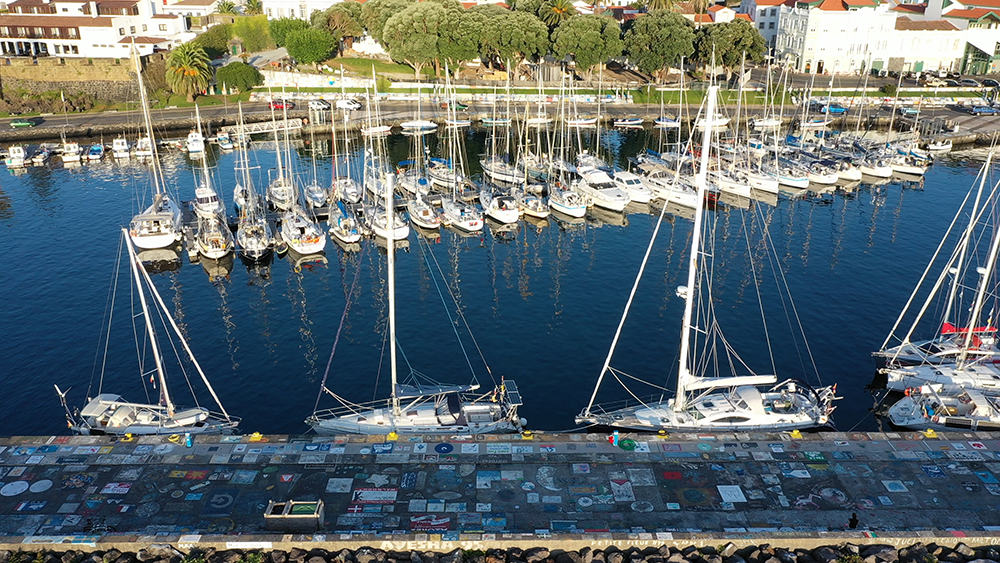
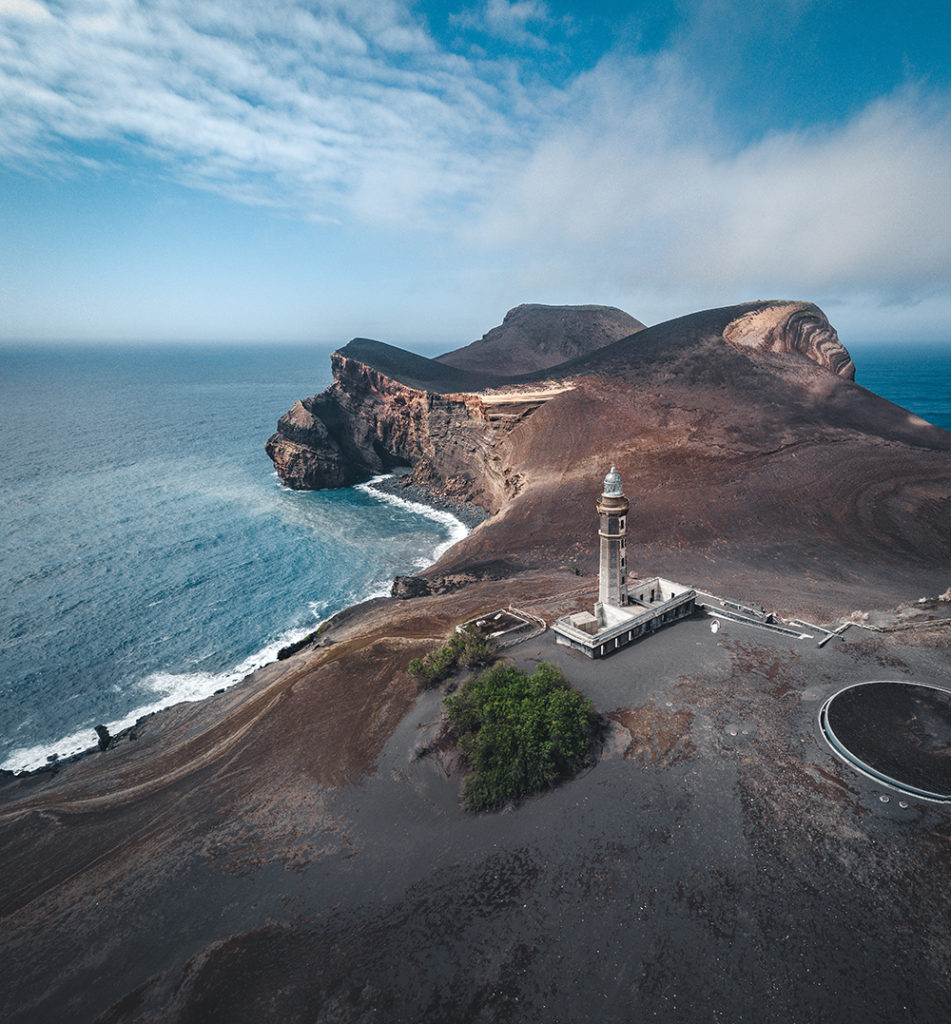
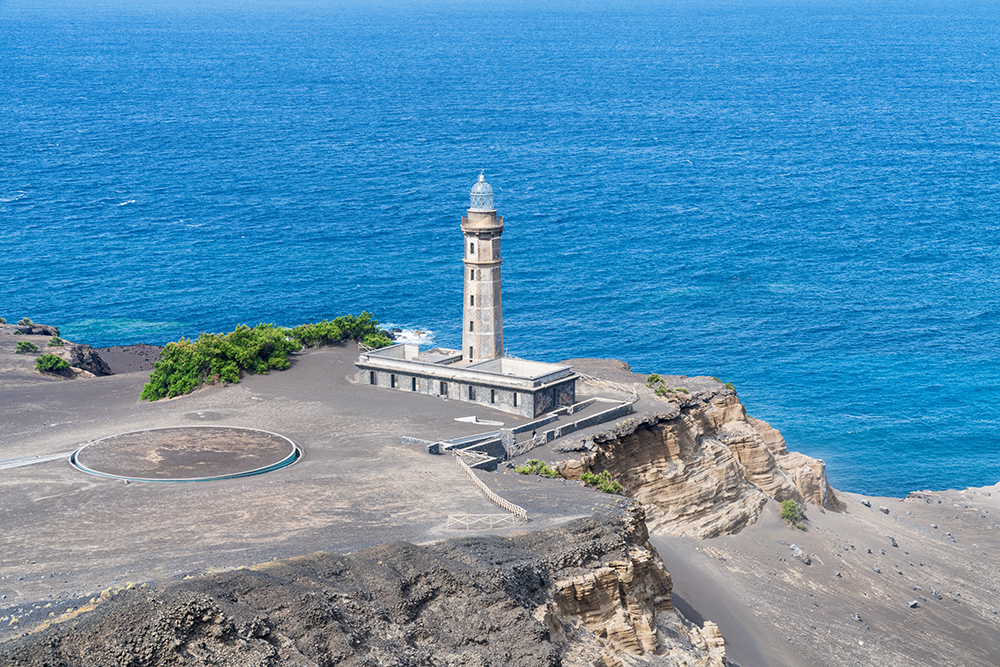
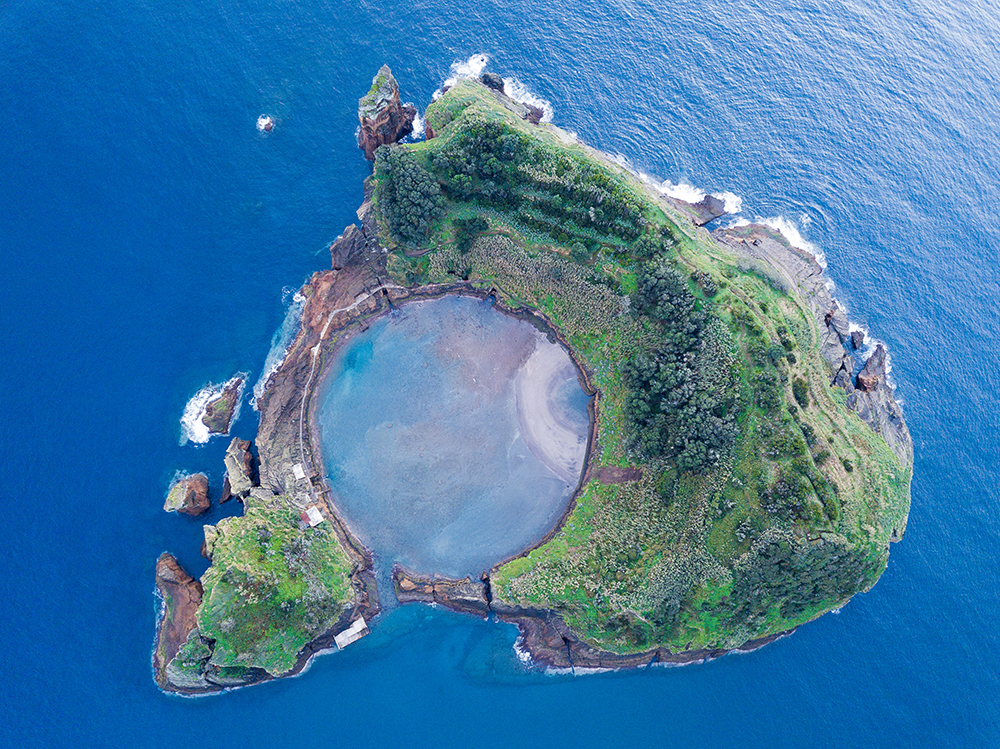
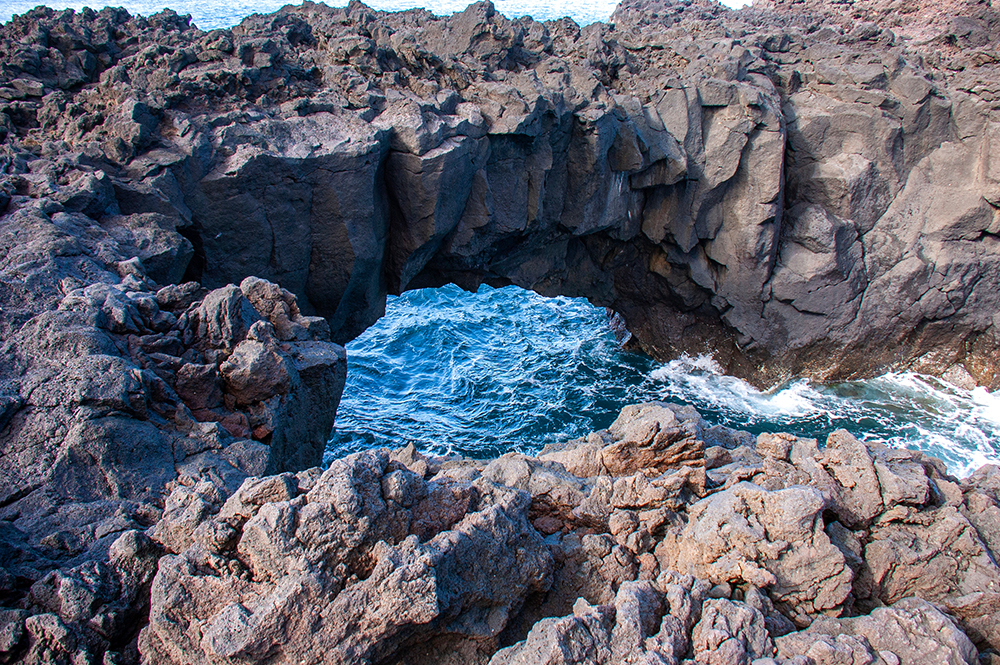
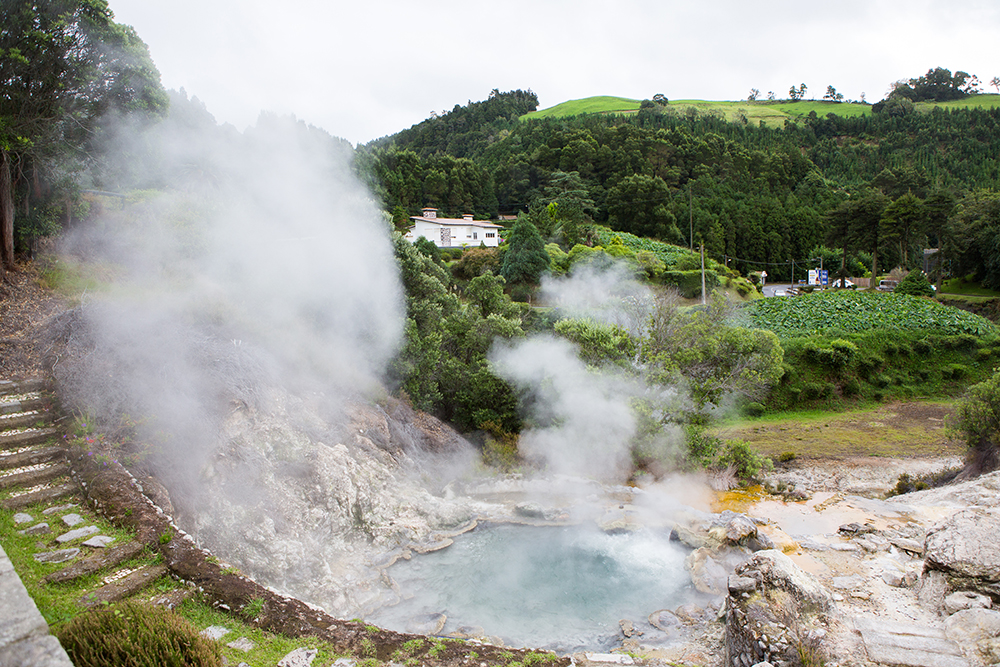
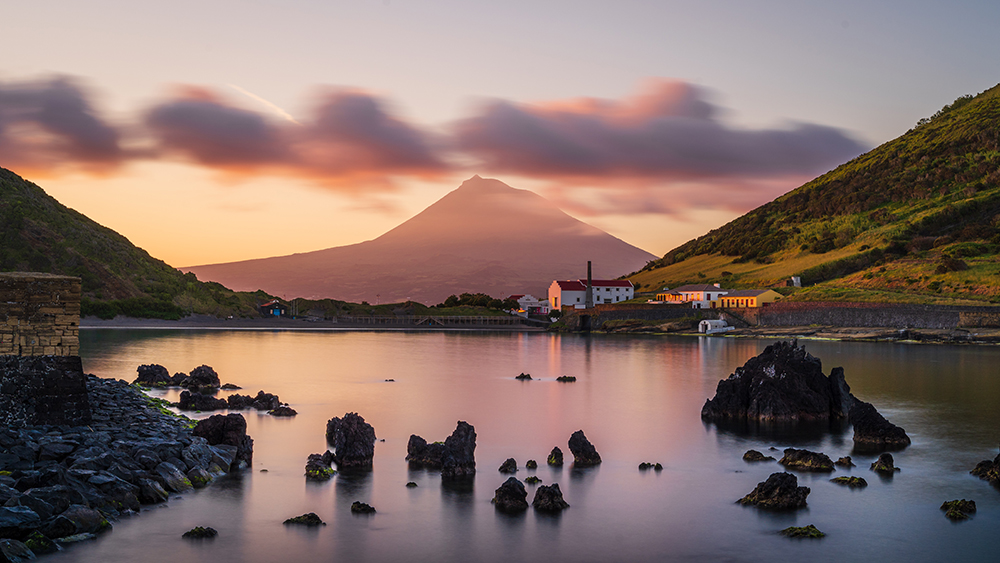
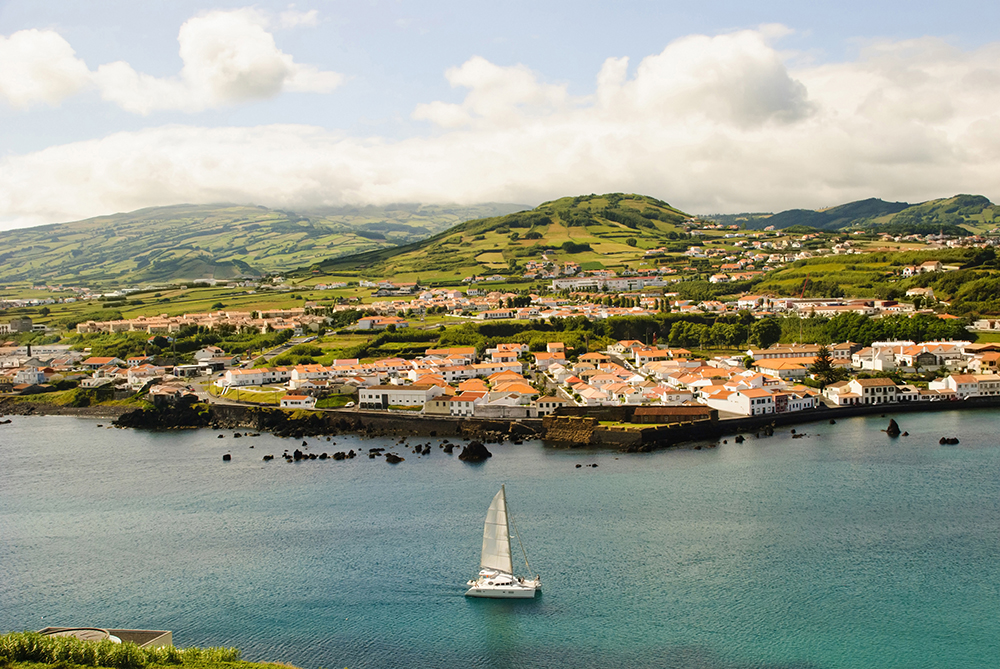
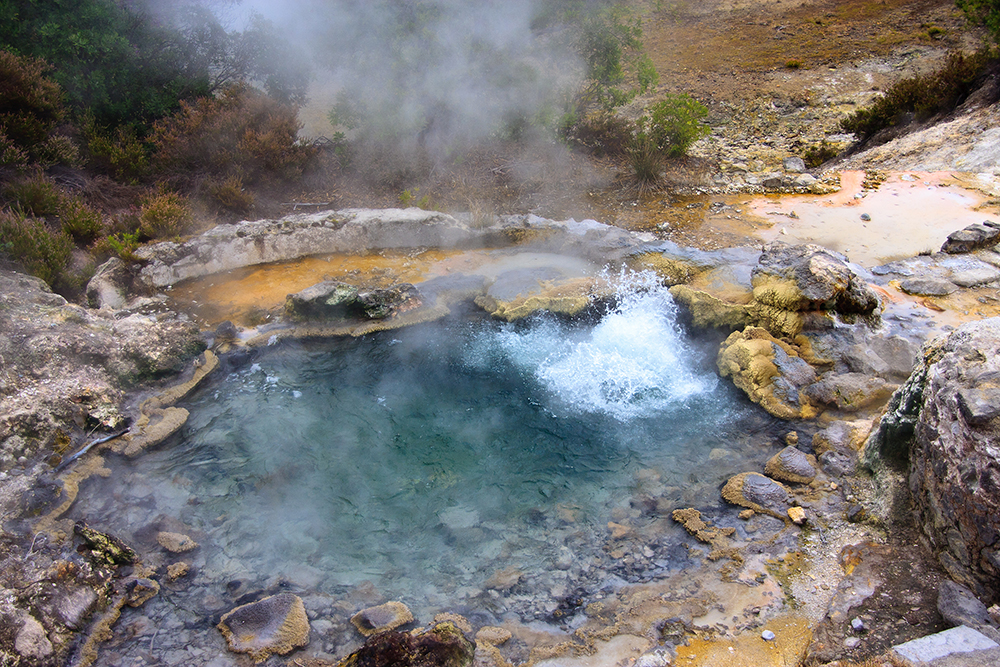
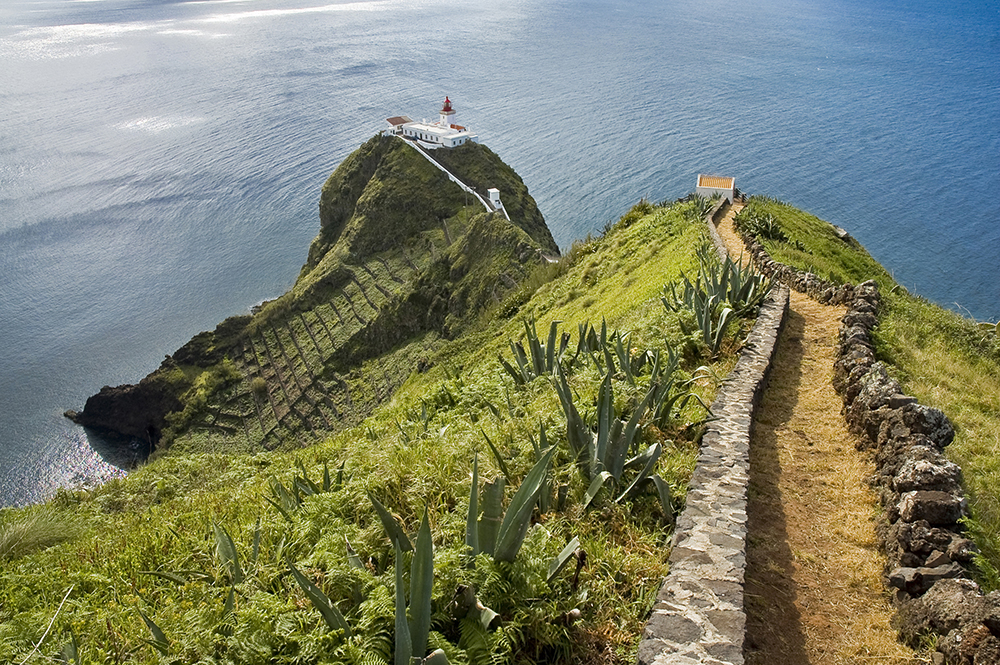
The Azores are unlike anywhere else in the Atlantic. 9 volcanic islands in mid-ocean, formed where three tectonic plates meet (North American, Eurasian, African) — the only place on Earth where three plates intersect on land. The result is unmistakable, ancient terrain: the highest mountain in Portugal (Pico, 2,351 m) is here · so are 26 active volcanic complexes · 14 fumarole fields · 1 currently-erupting underwater volcano (the Capelinhos eruption of 1957-58 added 2.4 km² of new land to Faial). The islands sit roughly 1,500 km from anywhere — far enough from Europe that the Portuguese only discovered them in 1427, far enough from America that they stayed Portuguese throughout the colonial era. For sailors, this combination — mid-Atlantic location, Portuguese language, Schengen status, sheltered marinas, full repair facilities, deep maritime tradition, an active charter industry, and reliable weather May-September — has made the Azores the standard transatlantic stopover for nearly two centuries. The painted breakwater at Horta is the most photographed wall in sailing.
⚓ Azores at a Glance
Region
Autonomous Region of the Azores · Portugal
Islands
9 (in 3 groups: W, Central, E)
Marinas covered
5 (Horta, Velas, Angra, Praia, PDL)
Distance · Lisbon
~785 NM (1,448 km)
Distance · Bermuda
~1,565 NM (2,896 km)
Time zone
AZOT/AZOST (GMT-1 / GMT)
Best season
May-September (peak July-August)
Currency
Euro (€)
Language
Portuguese · English widely spoken in marinas/cities
Schengen
Yes · standard EU rules apply
Highest point
Pico (Pico Island) · 2,351 m
UNESCO sites
Angra do Heroísmo (1983) · Pico vineyards (2004)
The Three Groups — How the Archipelago Is Organised
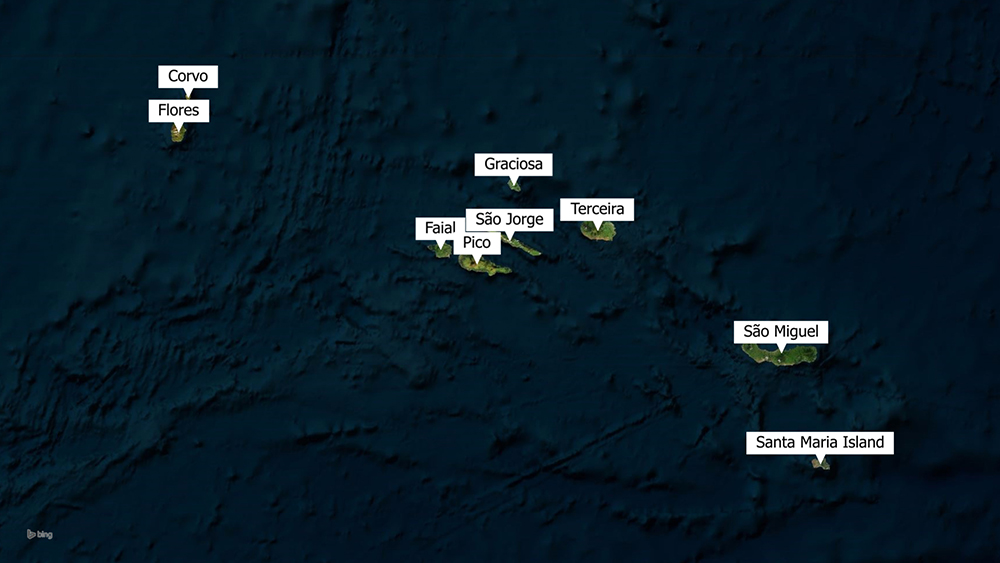
The 9 Azorean islands sit in 3 distinct groups, separated by long stretches of open Atlantic. The grouping matters for sailors — most cruising itineraries focus on the Central group (where 4 of the 5 main marinas are) and treat the Eastern group (São Miguel + Santa Maria) as the entry/exit gateway.
Western Group
→ Flores · most westerly · waterfalls and crater lakes · the natural terminus of a westward Azores cruise
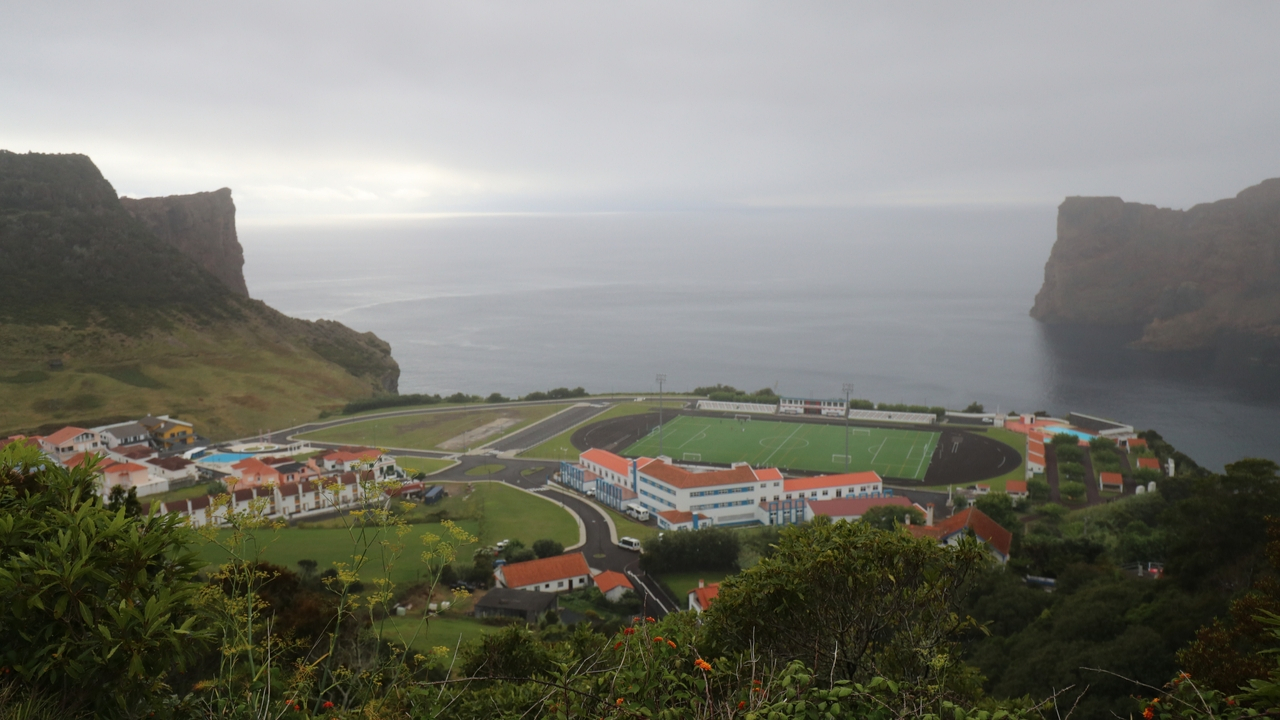
→ Corvo · the smallest island, a single volcano, ~400 inhabitants · 12 NM N of Flores · no marina, anchorage only
Central Group · the cruising heart
→ Faial · home of Horta marina · the transatlantic anchor
→ Pico · the volcano island, highest mountain in Portugal · UNESCO Pico vineyards
→ São Jorge · home of Velas marina · the boat-shaped island, fajãs, cheese
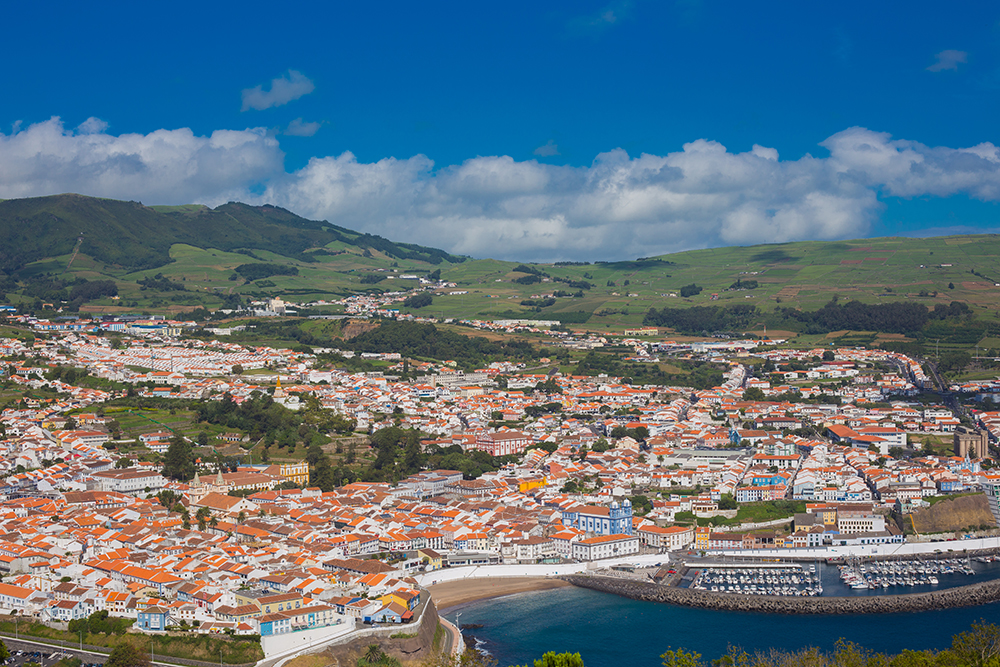
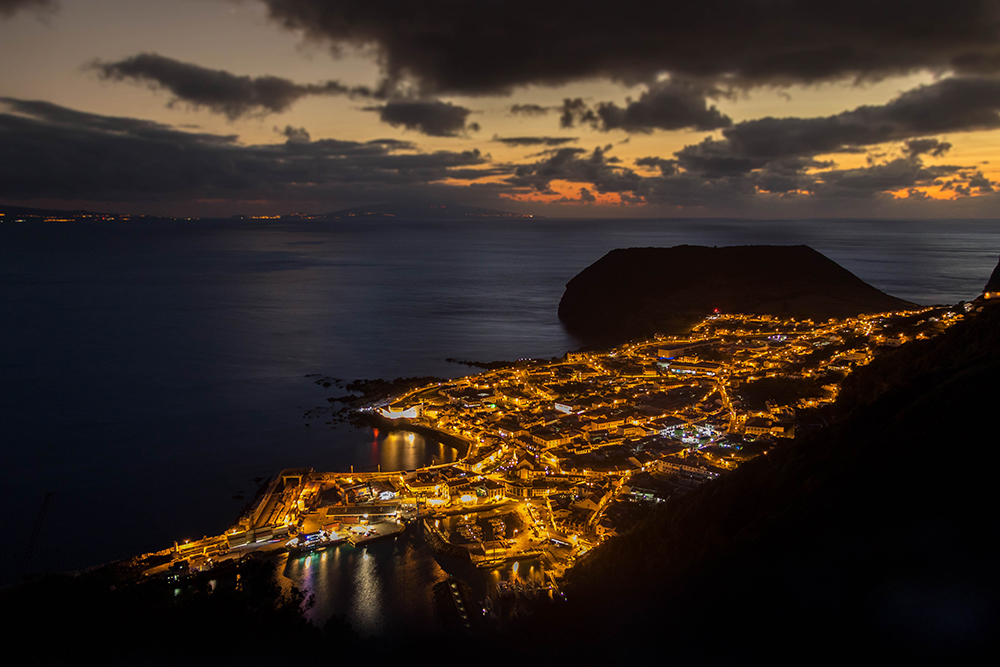
→ Terceira · home of Angra (S coast) and Praia (E coast) · UNESCO heritage city
→ Graciosa · the “white island” · windmills, vineyards, the Furna do Enxofre cave
Eastern Group · the gateway
→ São Miguel · the largest island, capital city, home of Ponta Delgada marina · the international flight hub
→ Santa Maria · the southernmost, oldest, driest island · the warmest of the Azores · home of Vila do Porto
⛵ The 5 Marinas Compared
Horta · Faial
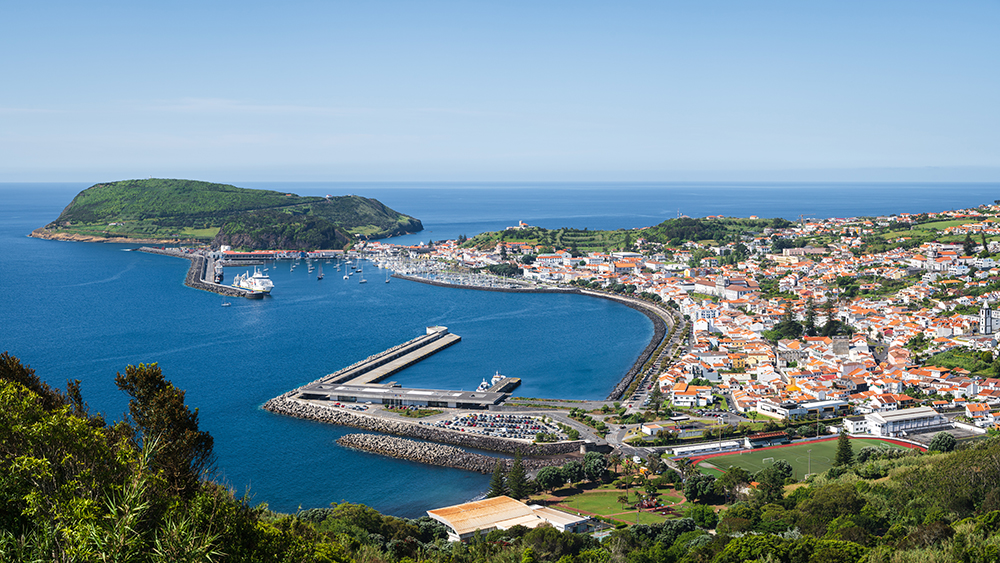
Horta Marina, Faial — The World’s Most Famous Transatlantic Stopover
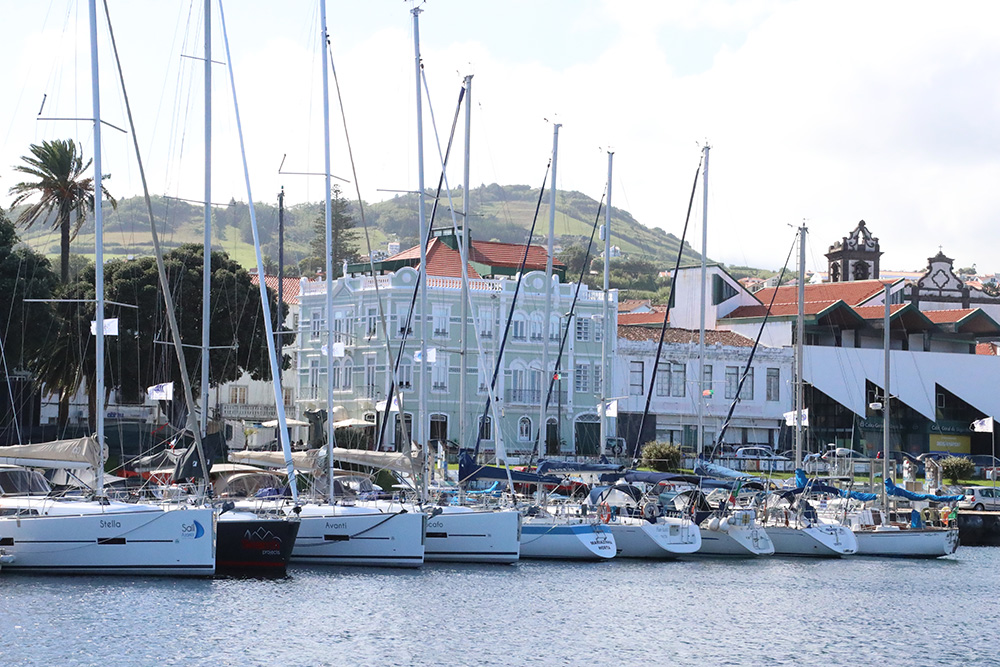
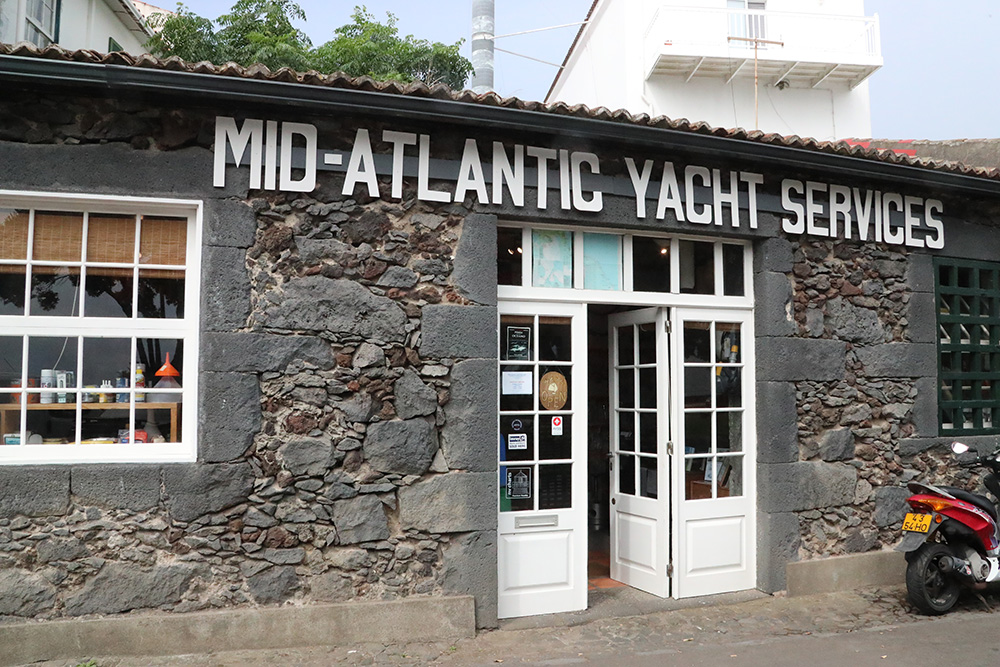
300 berths · max LOA 90 m · max draft 6 m · the painted breakwater · Peter Café Sport · Mid Atlantic Yacht Services · the marina every transatlantic crew puts on the CV
Velas · São Jorge
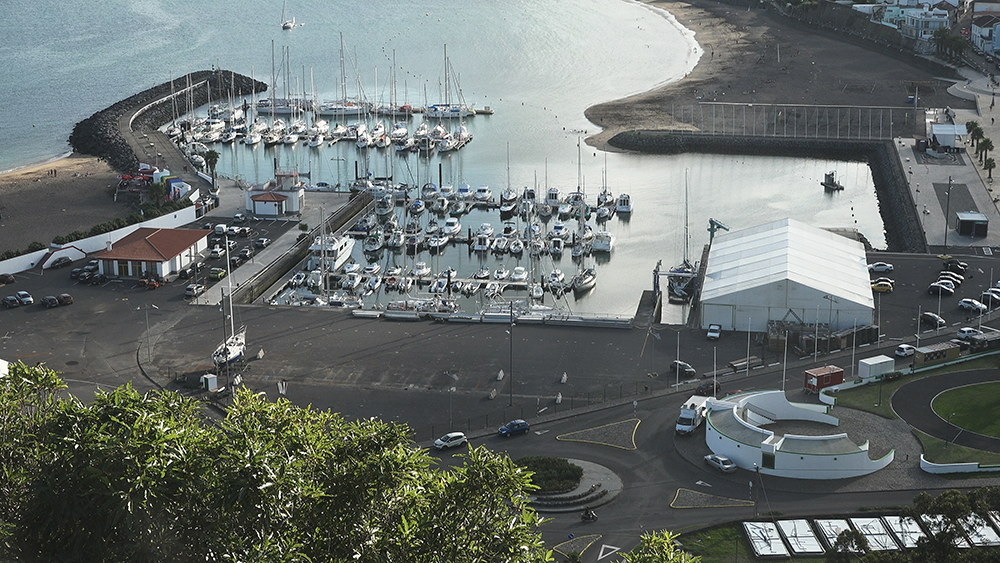
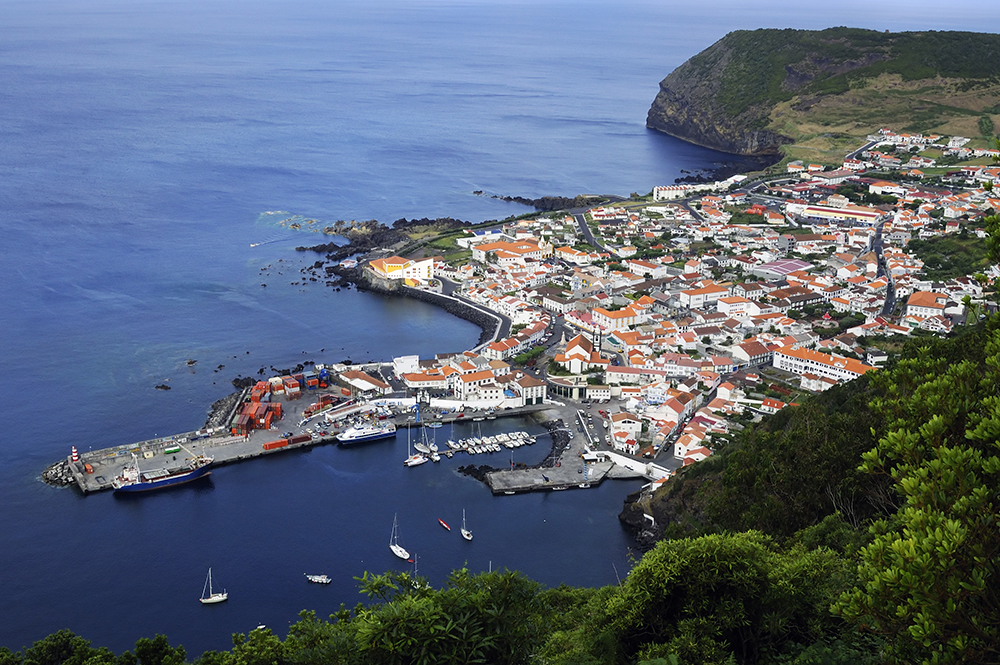
Velas Marina, São Jorge — The Quiet Heart of the Azores Triangle
76 berths total (only ~10 visitor) · 4 m+ depth at pontoon A · 22 NM from Horta · José the harbour master watches every approach on AIS
Angra do Heroísmo · Terceira
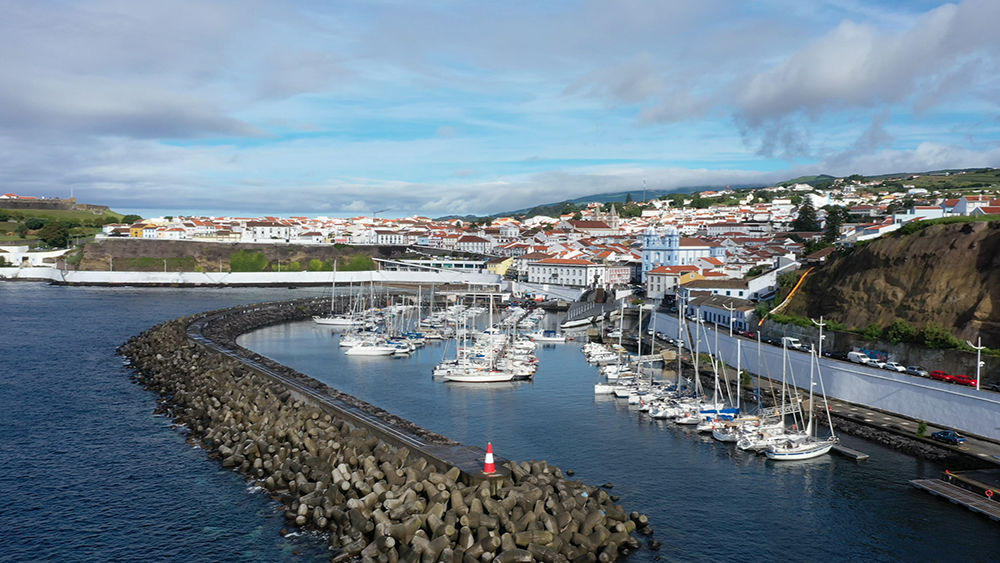
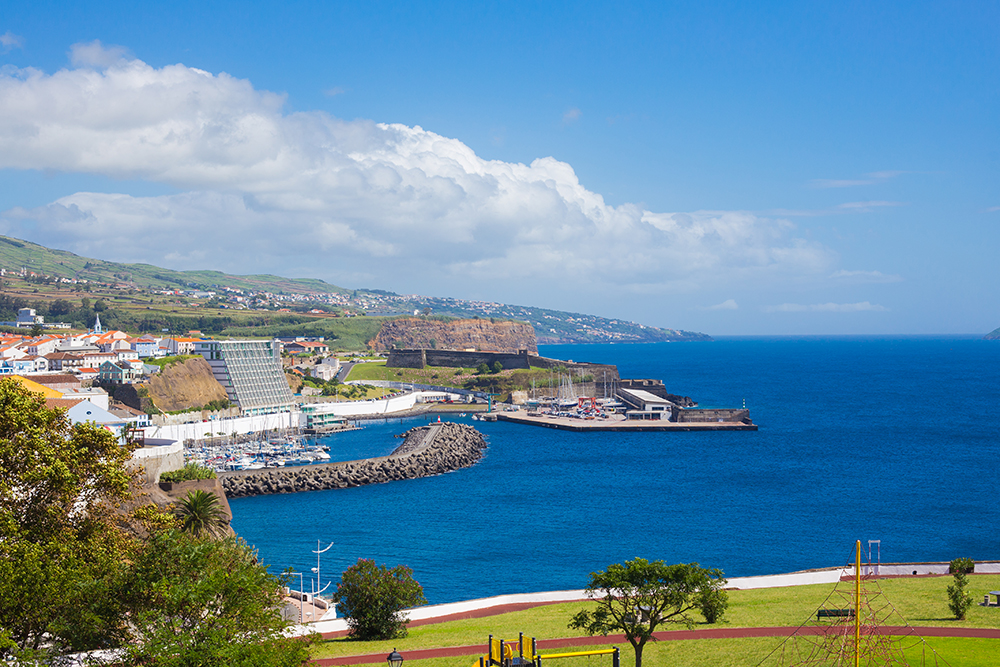
Angra do Heroísmo Marina, Terceira — Berthing in a UNESCO World Heritage Bay
260 berths · max LOA 25 m · max draft 3.5 m · UNESCO heritage city since 1983 · sheltered by Monte Brasil · 74 documented underwater wrecks since 1552
Praia da Vitória · Terceira
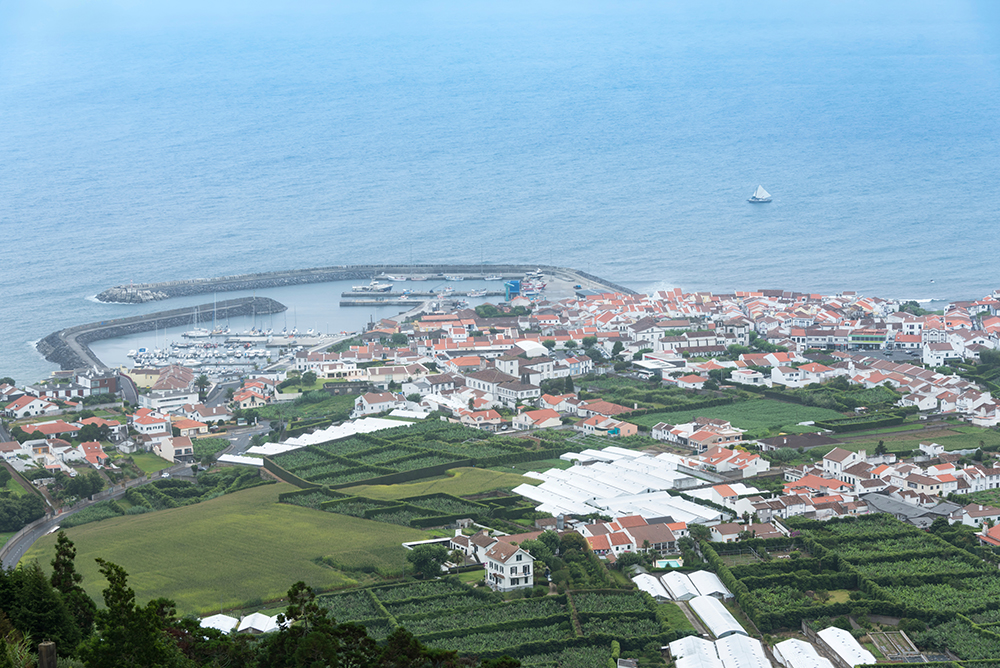
Praia da Vitória Marina, Terceira — Berthing Beside the Largest Sandy Beach in the Azores
2.5 m berth depth ⚠ · port of entry · 7 km from Lajes Airport · longest sand beach in the archipelago · ⚠ NOT staffed at weekends · ⚠ shallow at low tide
Ponta Delgada · São Miguel
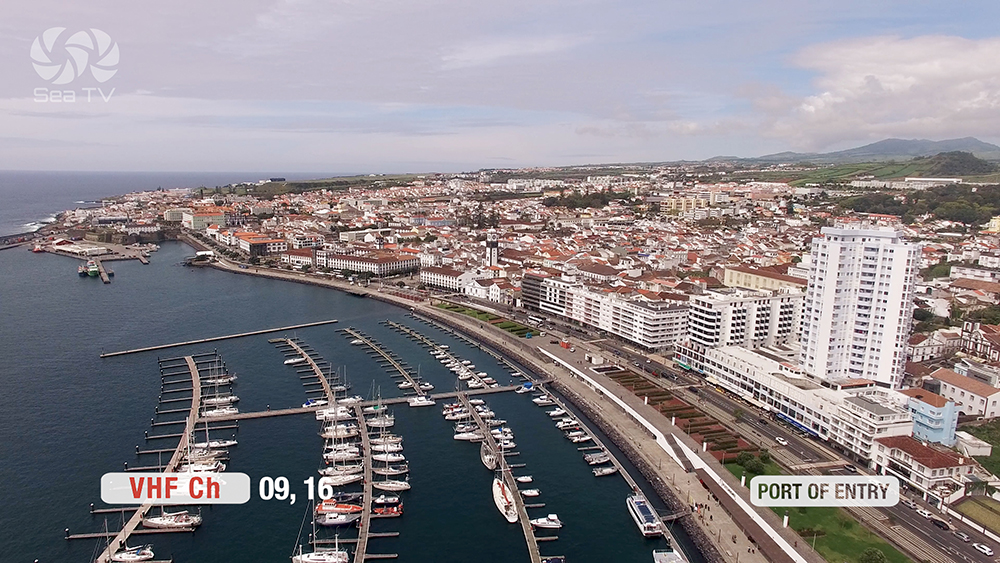
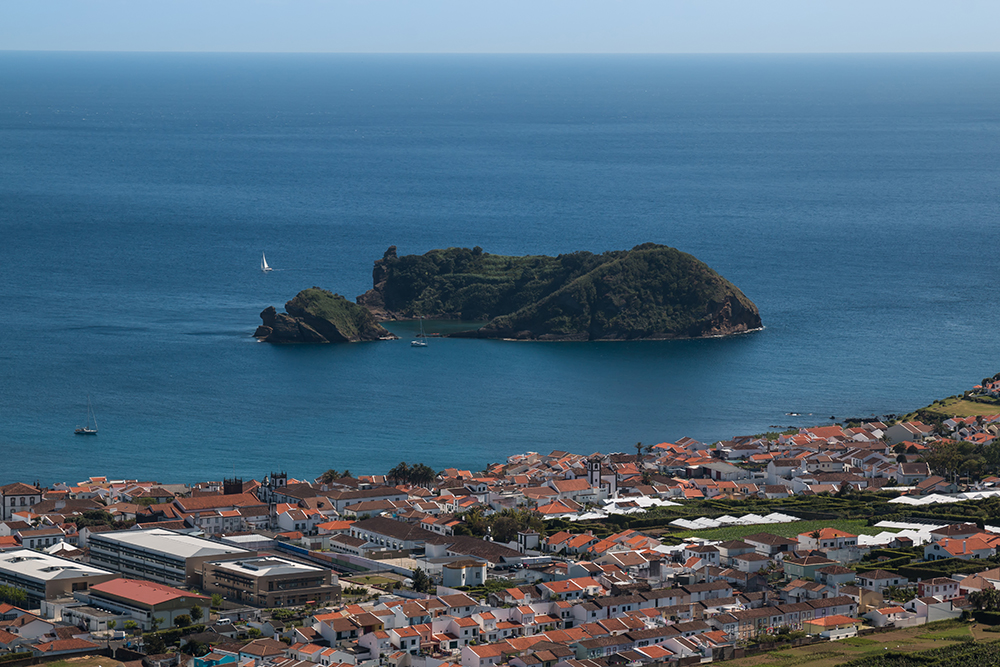
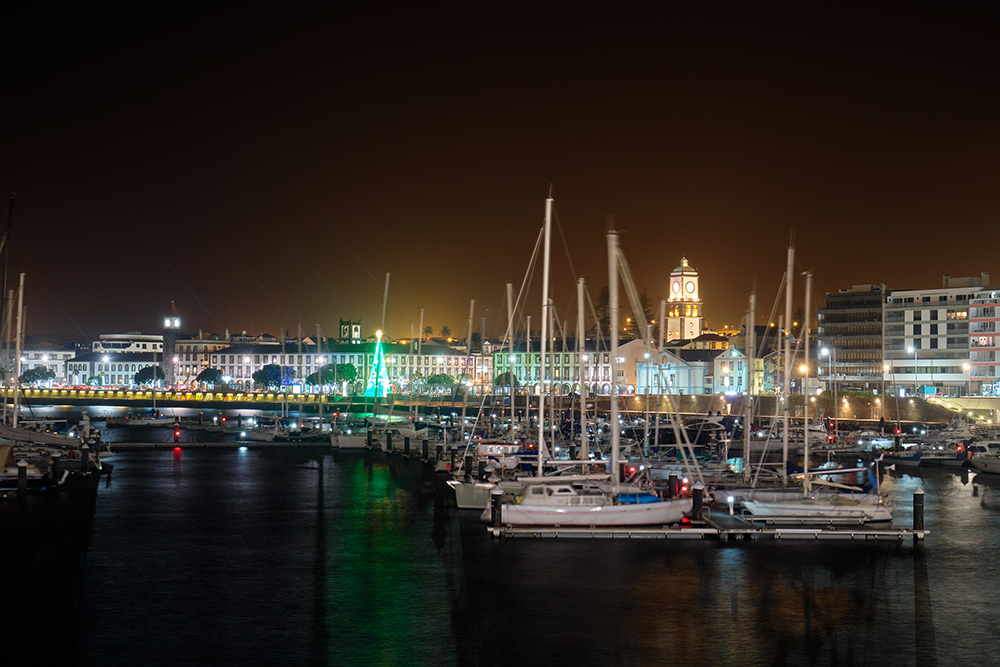
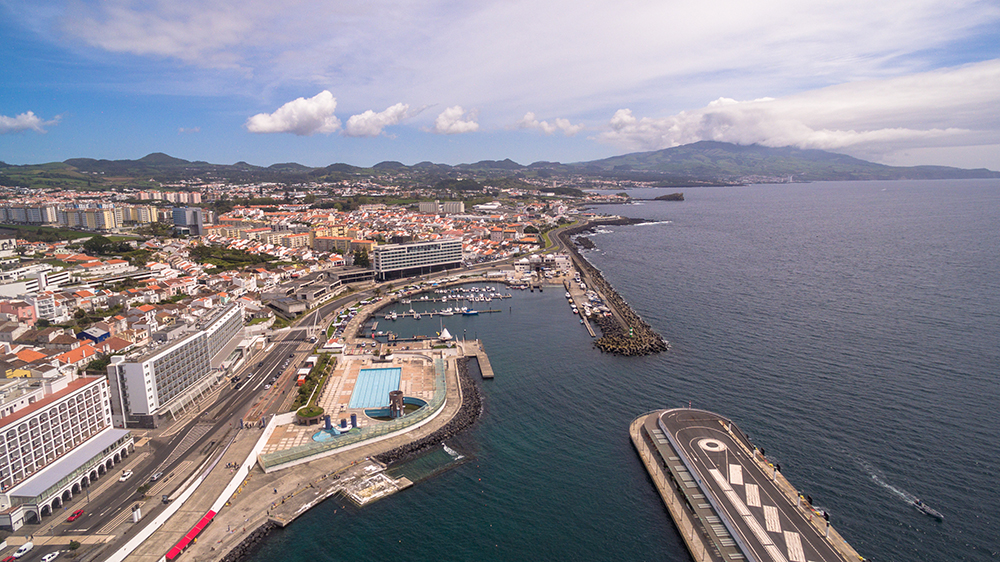
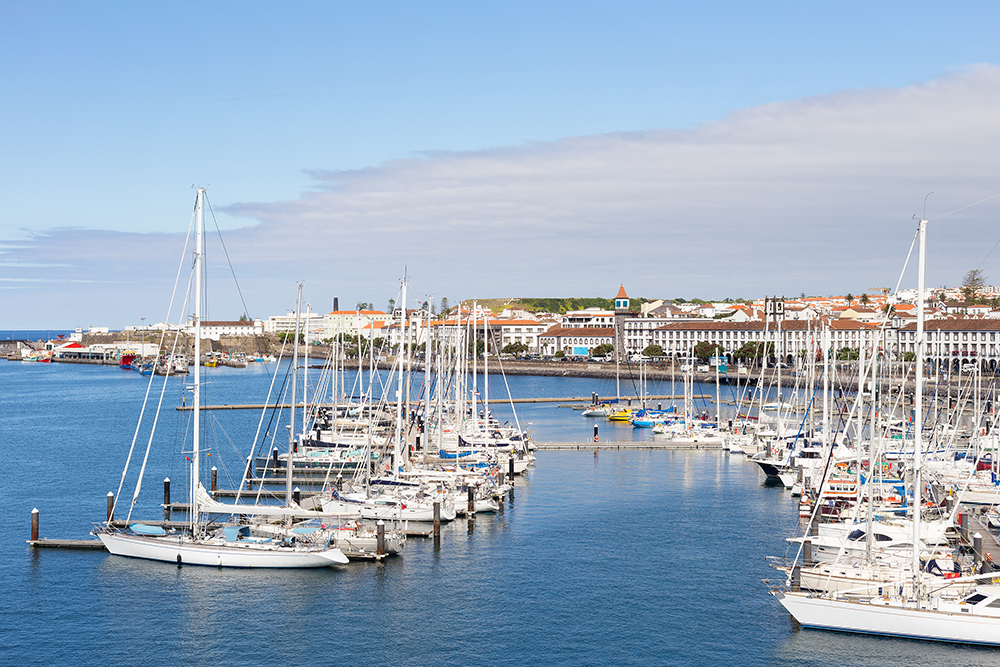
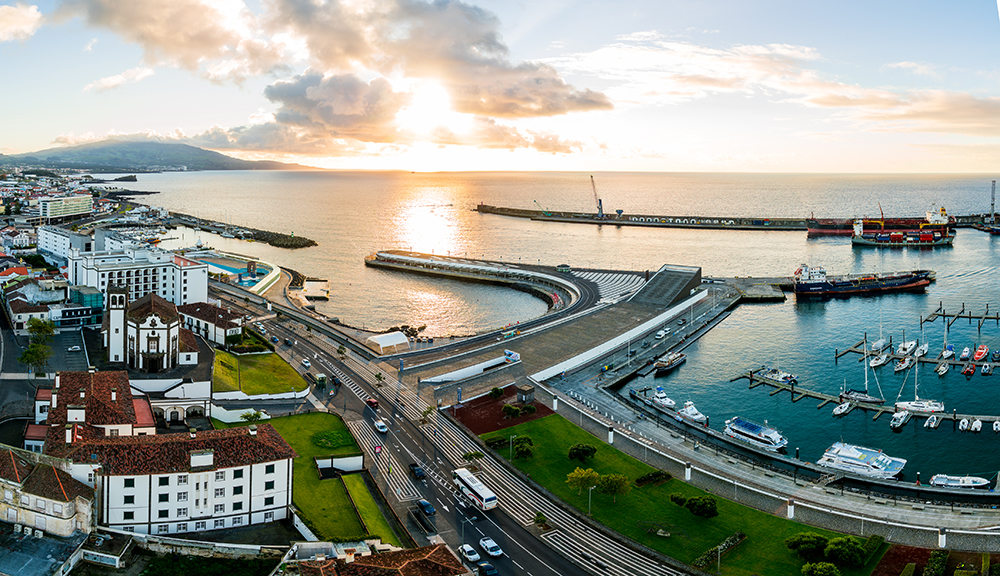
Ponta Delgada Marina, São Miguel — The Capital City Marina & Largest in the Azores
640 berths · max LOA 60 m · max draft 4 m · 24-hour VHF Ch. 16 keeper · 25-ton travel lift · full repair yard · the only Azores marina with after-hours coverage
When to Sail — Seasons & Weather
High season · May-September
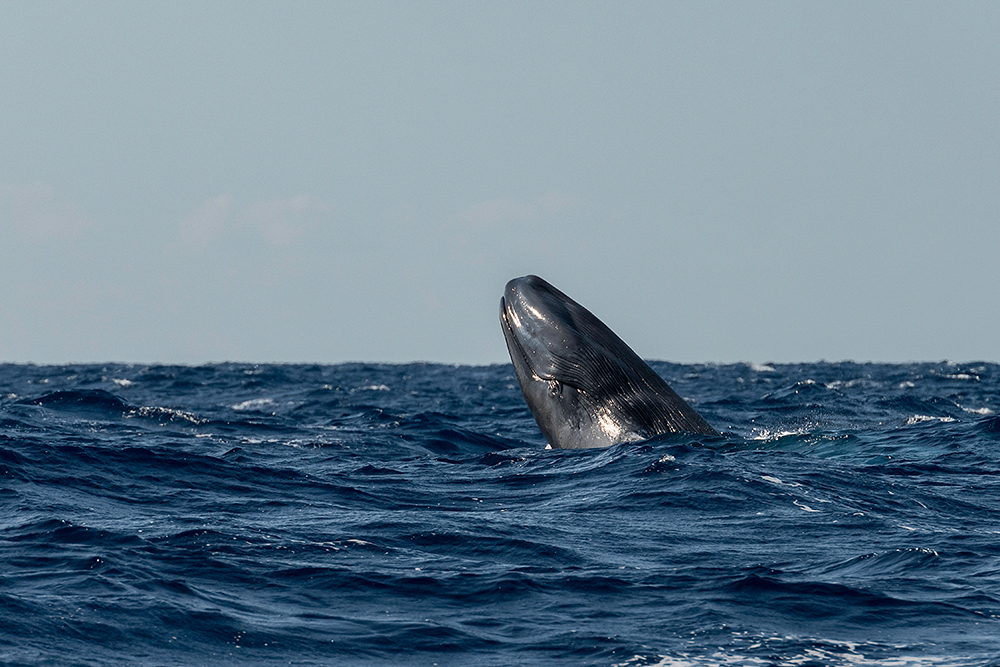
The peak window. Settled weather. Air temps 18-25°C. Sea temps 19-23°C. Winds typically NE-NW 10-20 knots, occasional calms. Marinas at full capacity July-August — book ahead or be ready to raft up. Whale watching peak in spring (March-May for blue and fin whales), resident sperm whales year-round.
Transatlantic peak: May-July is the rally crowd arriving from the Caribbean (ARC Europe in May, OCC events June-July, Les Sables-Açores-Les Sables in July).
Shoulder · April + October
Cooler, fewer crowds, lower prices. Air 15-20°C. Sea 17-19°C. More frontal weather coming through · Atlantic depressions track over the islands more frequently than in summer. Charter fleets reduce in October.
Hydrangeas: bloom across the Azores from late June through August · the “Blue Island” effect on Faial · also notable on Terceira and São Jorge.
Off-season · November-March
Possible but harder. The Azores high retreats south, allowing Atlantic depressions through more frequently · stronger winds, bigger swell, more frontal weather. Air temperatures 12-17°C — cool but not cold. Sea temperatures 15-17°C.
Charter operations: reduced or paused at most operators · independent cruisers continue but with strong weather routing skills required.
⚠ Weather context for transatlantic crews:
→ Westbound (Mediterranean → Caribbean): December-January departure from Gibraltar/Canaries · skip the Azores or use as last-stop emergency
→ Eastbound (Caribbean → Mediterranean): May-June departure from Bermuda/USVI · Azores via Bermuda is the standard route, lands at Horta
→ North-South: May-October between USA/Canada and Europe · Azores is a natural rest stop
→ Hurricane season: mid-Atlantic hurricanes can reach the Azores · September-October is the most active window · monitor NOAA + Portuguese marine forecasts
✈️ How to Get to the Azores
Three airports handle international traffic: Ponta Delgada (PDL · São Miguel) — by far the largest and best-connected · Horta (HOR · Faial) — direct flights from Lisbon · Lajes (TER · Terceira) — direct flights from Lisbon, Boston, sometimes Toronto.
From mainland Portugal:
→ Lisbon → Ponta Delgada (PDL): 2h 15 min · Azores Airlines + TAP · multiple daily
→ Lisbon → Horta (HOR): 2h 30 min · Azores Airlines · 2-3 daily
→ Lisbon → Lajes (TER): 2h 20 min · Azores Airlines · multiple daily
From North America:
→ Boston (BOS) → PDL: 5h · Azores Airlines · year-round direct
→ Boston (BOS) → Lajes (TER): seasonal direct
→ Toronto (YYZ) → PDL: seasonal direct
From major European hubs:
→ Frankfurt, London, Madrid, Amsterdam, Paris · seasonal direct to PDL · year-round connections via Lisbon
→ Horta and Lajes typically require Lisbon connection
Inter-island connections:
→ SATA Air Açores: daily flights between all 9 Azorean islands · the inter-island operator
→ Atlanticoline + Transmaçor: seasonal ferries · primary inter-island routes within the central group (Faial-Pico-São Jorge) and longer crossings to São Miguel and Terceira
Suggested Routes
7-day Central Triangle (most common)
Horta → Velas → São Roque do Pico → Madalena → Horta · 4 islands · 5-6 anchorages or marina stops · all under day-sails. The classic Azores starter cruise. Total distance ~70-90 NM.
Best base: Horta · most charter operators are based here.
10-14 day W to E crossing
Horta → São Jorge (Velas) → Terceira (Angra) → Praia da Vitória → São Miguel (Ponta Delgada) · 4 marinas, 4 islands across the central + eastern groups · long inter-island legs (50-90 NM each). Suits crews with weather routing skills.
Total distance ~250 NM.
3-week full archipelago (rarely done)
All 9 islands including Western group (Flores + Corvo) and Santa Maria · requires good weather windows for the long legs (Faial to Flores 130 NM, São Miguel to Santa Maria 55 NM) · the complete experience for cruisers who can stay flexible.
Detailed day-by-day itinerary:
Azorean Culture, Food & Practical
Local cuisine — the unmissable dishes:
→ Cozido das Furnas (São Miguel): meat-and-vegetable stew slow-cooked in volcanic earth at Furnas · 6-7 hours buried · book a Furnas restaurant for lunch
→ Alcatra (Terceira): slow-cooked beef rump in red wine, in a clay pot · the signature dish of Terceira
→ Queijo São Jorge: hard cow’s milk cheese aged 3-12 months · DOP-protected
→ Lapas grelhadas: grilled limpets · Azorean appetiser, served everywhere
→ Bolo lêvedo: sweet flatbread · breakfast staple
→ Verdelho de Pico: volcanic-soil white wine from UNESCO Pico vineyards
→ São Miguel pineapple: 2-year greenhouse-grown · sweetest you’ll find anywhere
Practical notes:
→ Currency: Euro (€) · ATMs at all marinas, all major towns
→ Language: Portuguese · English widely spoken in marinas/cities, less in villages
→ Tap water: drinkable in cities · bottled water common but not always necessary
→ Driving: right side · car rental at all 3 main airports · roads are good, often single-lane through villages
→ SIM cards: Vodafone, MEO, NOS · all available · 4G/5G coverage solid in cities, patchy in volcanic interiors
→ Tipping: not strictly expected · 10% at restaurants if service was good · marinas don’t tip the staff
Emergency Numbers — All Islands
Emergency (police / fire / ambulance): 112 (national)
Maritime SAR (MRCC Lisbon): +351 214 401 919
VHF distress: Channel 16
24-hour VHF coverage: Ponta Delgada Marina (the only one)
Hospital coverage: Hospital do Divino Espírito Santo (Ponta Delgada · largest), Hospital da Horta (Faial), Hospital de Santo Espírito (Angra · Terceira), Hospital de São Jorge (Velas)
Continue Exploring
→ Our suggested sailing route in the Azores — day-by-day itinerary
→ Portugal main hub — Algarve Coast + Azores overview
→ Sailing the Algarve Coast (mainland Portugal)
→ SeaTV main — all sailing destinations worldwide
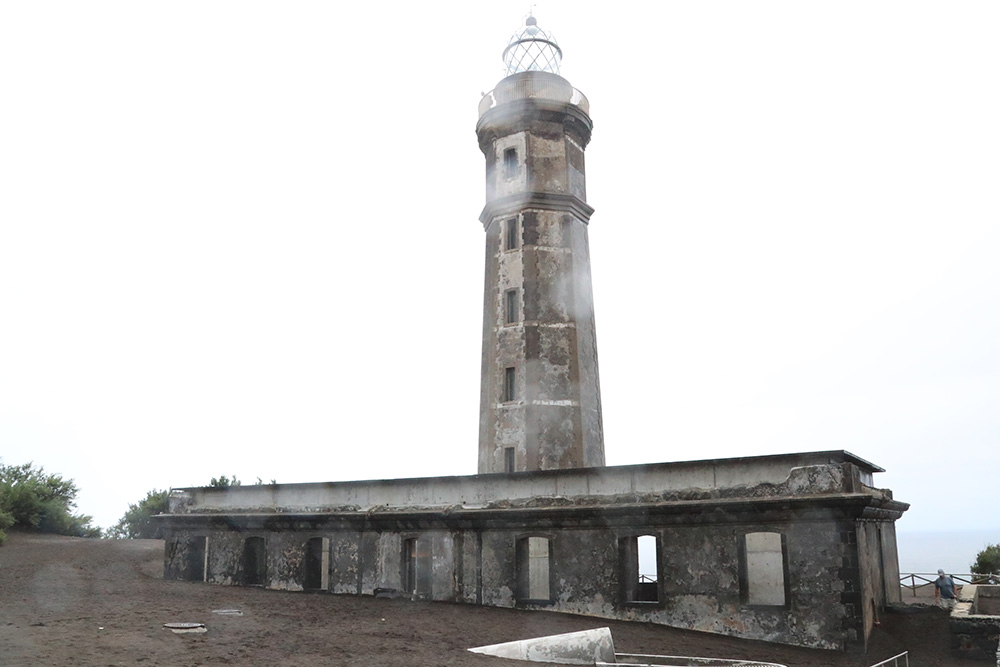
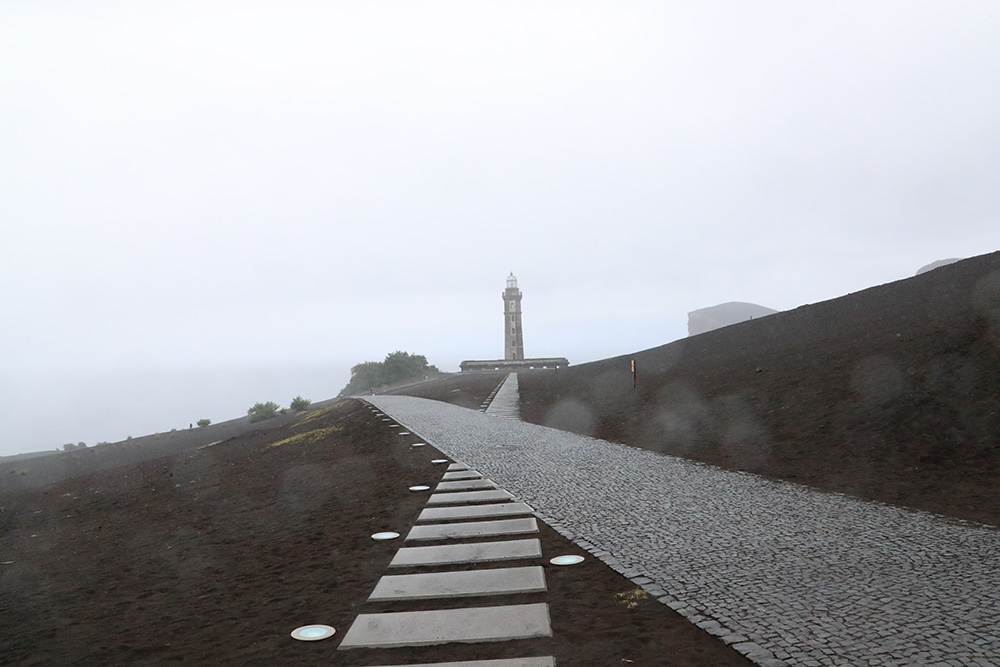
“The Azores are nine volcanic islands in three groups in the middle of the Atlantic between Europe and America · seven hundred eighty five nautical miles east of Lisbon and one thousand five hundred sixty five nautical miles west of Bermuda perfectly positioned for the transatlantic stopover · five marinas covering everything you need · Horta on Faial with three hundred berths and the painted breakwater and Peter Café Sport since nineteen eighteen · Velas on São Jorge with seventy six berths but only ten for visitors and José the harbour master who watches you on AIS · Angra do Heroísmo on Terceira with two hundred sixty berths inside a UNESCO World Heritage bay since nineteen eighty three · Praia da Vitória on the east coast of Terceira with the longest sandy beach in the archipelago and two and a half meters of berth depth so know your draft · Ponta Delgada on São Miguel with six hundred forty berths the largest marina in the Azores and the only twenty four hour VHF keeper and the twenty five ton travel lift for everything that broke on the way over · best season May through September · the central triangle of Faial Pico São Jorge for the seven day starter cruise · the W to E crossing for the ten to fourteen day variation · cozido das Furnas in the volcanic earth and alcatra in the clay pot and queijo São Jorge and lapas grelhadas and Verdelho de Pico from the UNESCO vineyards · Pico the highest mountain in Portugal at two thousand three hundred fifty one meters · Sete Cidades twin lakes blue and green · Capelinhos volcano lighthouse buried in ash from nineteen fifty seven · the largest whale and dolphin populations in Europe · the standard transatlantic stopover for nearly two centuries and the marina every long-distance sailor wants to put on the CV.”
— SeaTV · Azores Islands · The Complete Sailing Guide