SeaTV · Trip Log · Ionian Islands
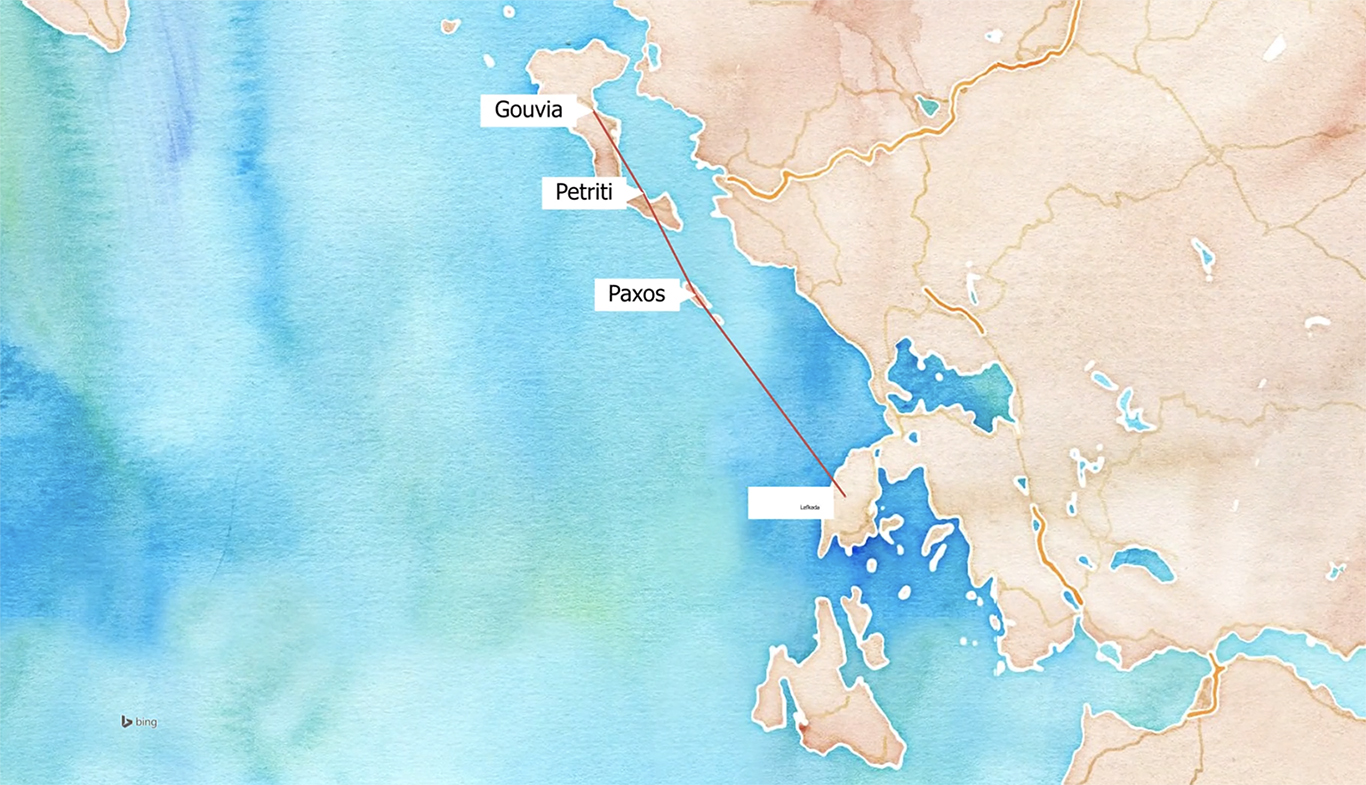
Our Route: Corfu — Paxos — Lefkada — Kefalonia
Ten days down the Ionian — olive trees, goat bells, slow harbours, and the kind of sailing where nothing is in a hurry.
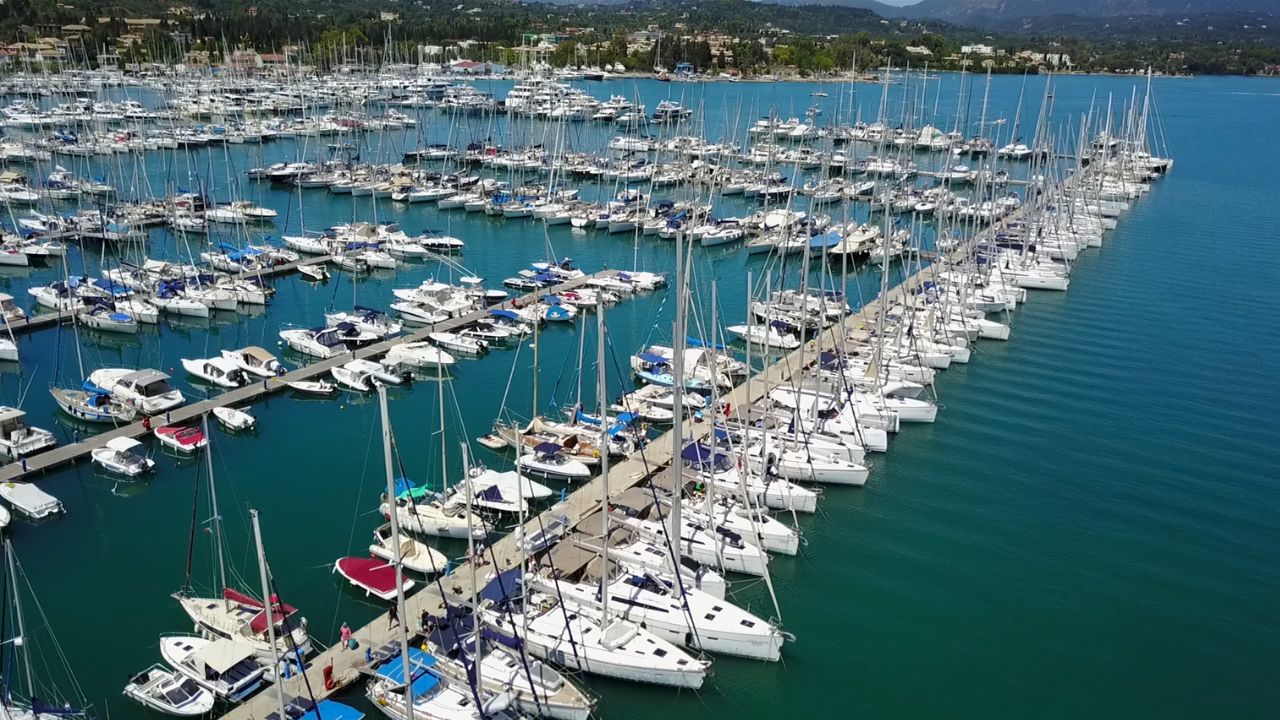
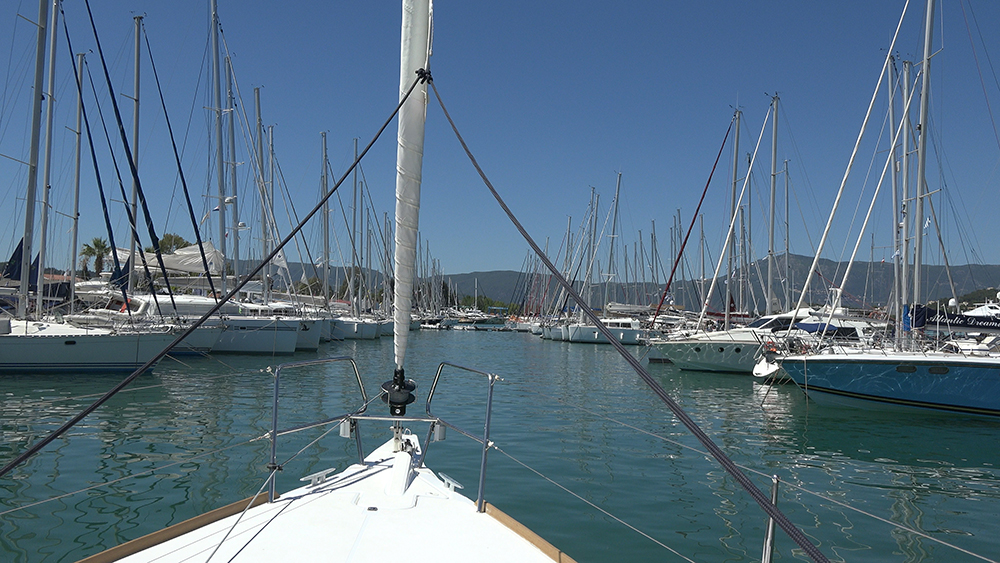
We left Gouvia on a Saturday afternoon, with the sun already low and the marina half-emptied of charter boats. The plan was loose: south through the islands, no fixed nights, eat where it smelled good, swim where the water looked clean. The boat was a forty-foot Bavaria with sails that needed coaxing in light air and a fridge that took twelve hours to get cold.
What follows is a trip log, not a guide — for the practical anchorage details, the GPS marks and the harbour-master numbers, see our Corfu route and 7-Day Ionian itinerary pages. This page is about how it actually felt — the rhythm of waking on the boat in a quiet bay, the way the wind comes up at lunchtime, the particular sound of cicadas in a Greek olive grove at three in the afternoon when nothing is happening at all.
A note on pace: This was not the fast route. We averaged 4–5 hours of sailing a day, swam at every stop, ate twice ashore, slept on the boat. We had a forecast that mostly held. The Ionian rewards this approach — the islands are too close together to need to rush, and the best moments are always the ones we hadn’t planned.
⚓ Day 1 — Gouvia to Kalami
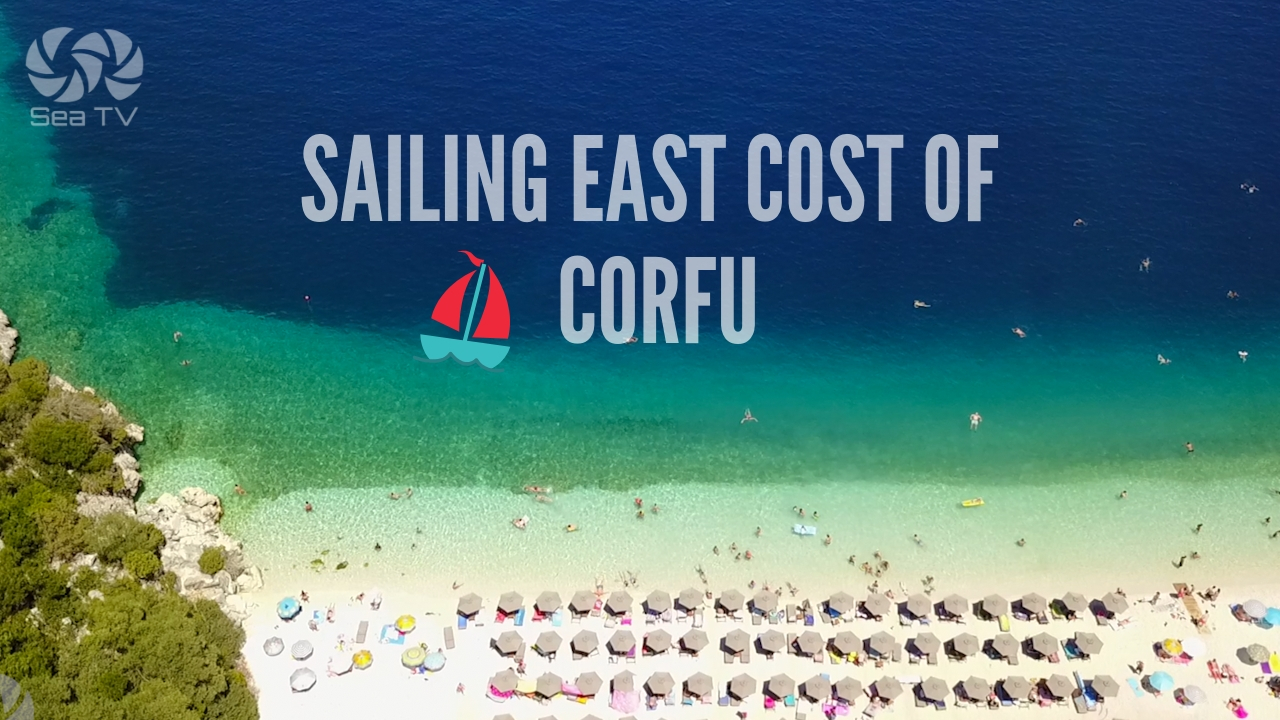
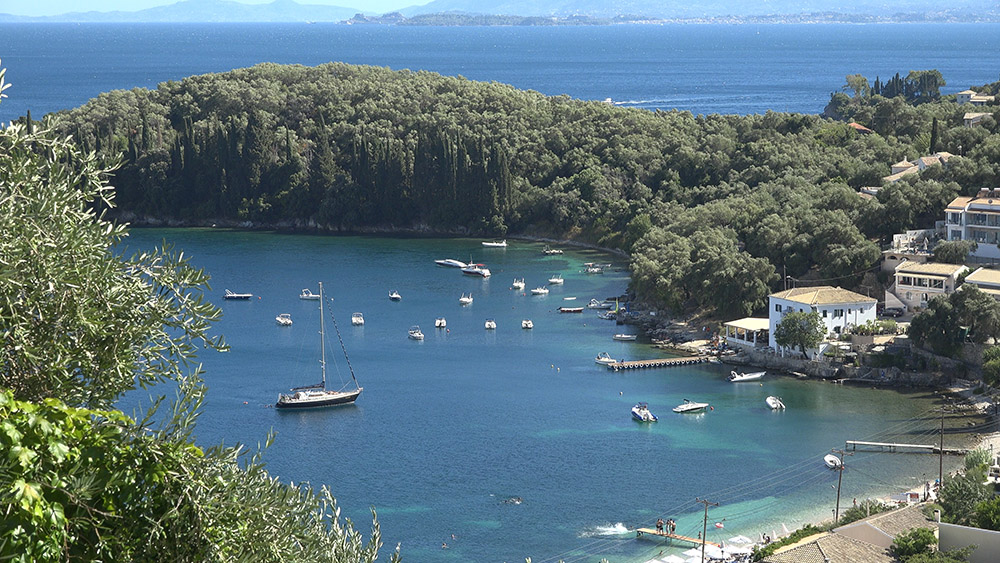
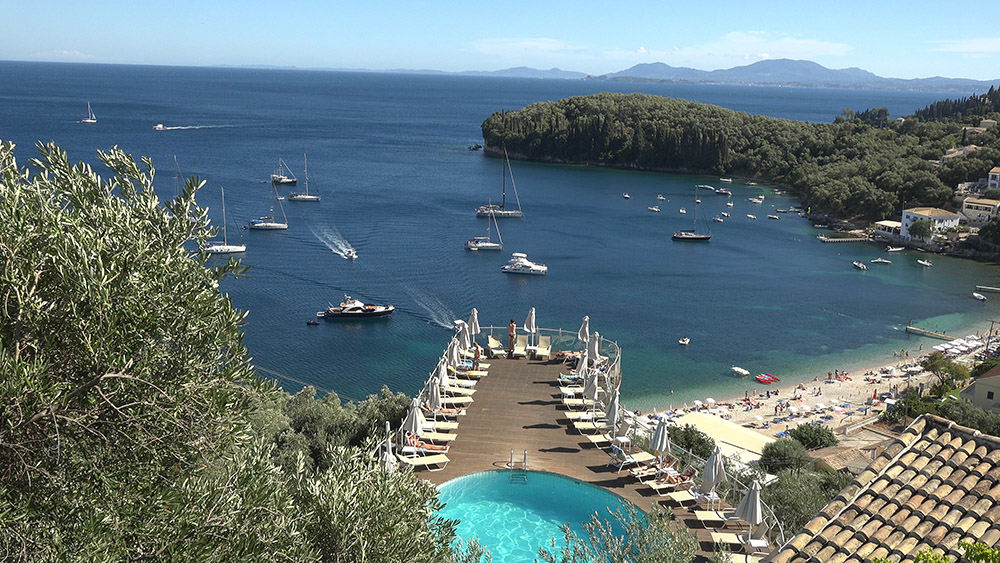
A short hop. Seven nautical miles north along the Corfu coast, mostly under engine because the afternoon thermal had already passed. We came into Kalami bay at six in the evening, the cliff above us turning gold, the white-painted house at the end of the bay catching the last sun.
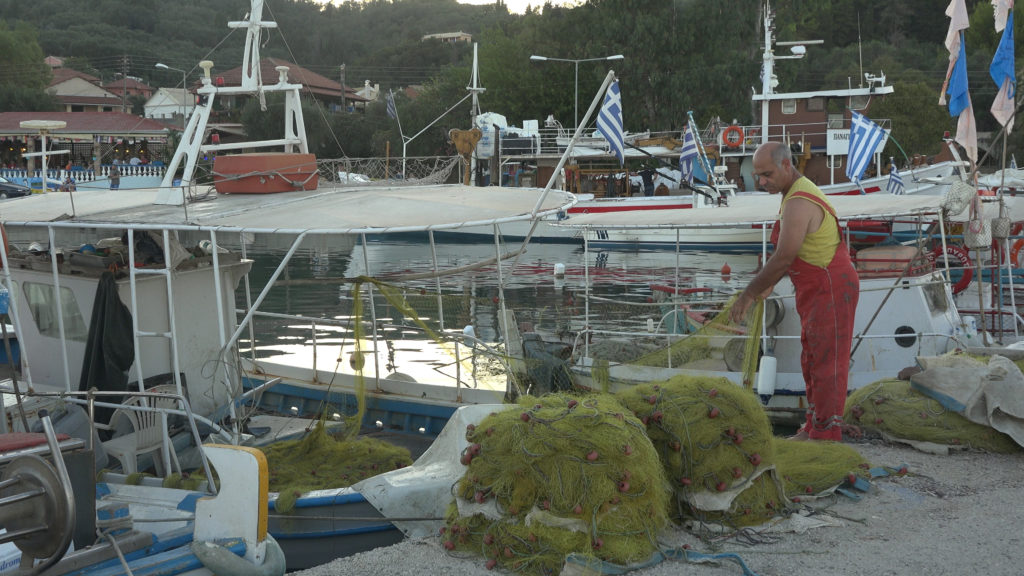
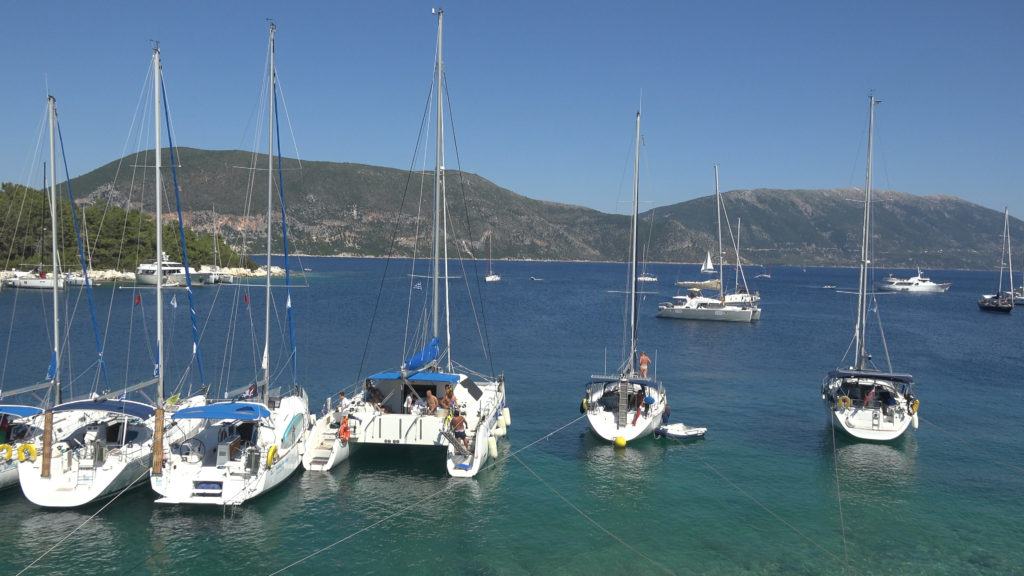
The anchor went down in five metres on sand, and we sat on the foredeck for an hour without speaking. There were already six other boats in the bay — a German charter group, a French family, a small Greek fishing boat that came in to drop off a haul of red mullet at the taverna kitchen. Children were swimming off the rocks at the south end. A donkey somewhere on the hill above the bay was being argumentative.
We dinghied to The White House Taverna and ate Lawrence Durrell’s old kitchen as if we were the first people to discover it. Salad with feta the size of a small brick. Grilled octopus. A carafe of the local white that the waiter brought without being asked. By ten the bay had grown quiet enough to hear the rigging settle, and the lights from the boats made an uneven necklace along the water.
⚓ Days 2–3 — Down the Coast to Lakka
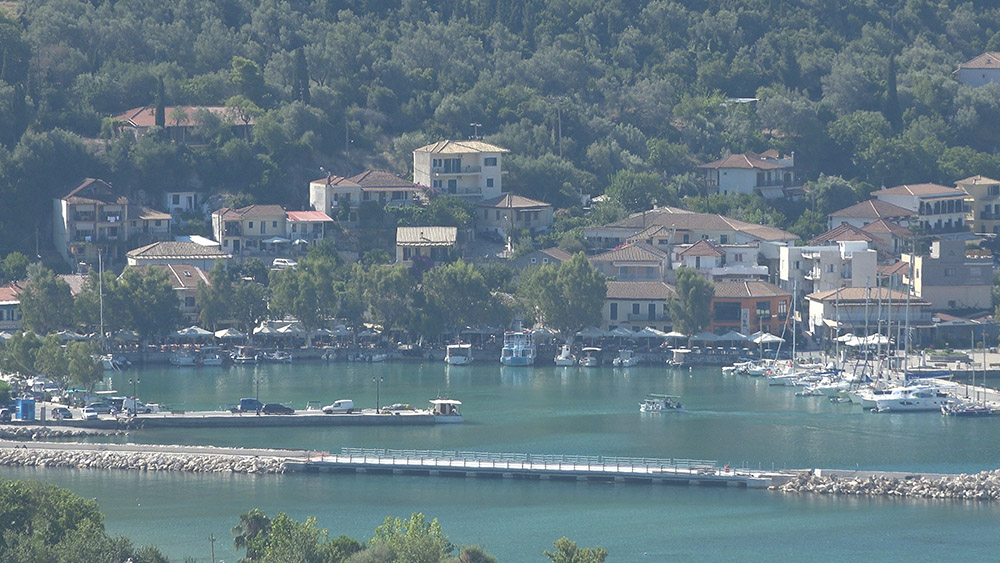
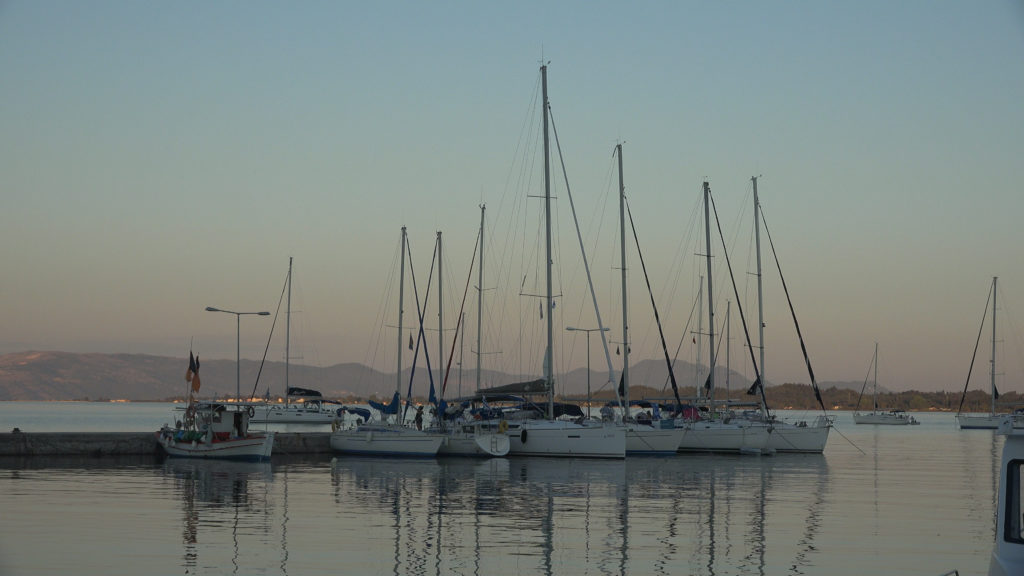
The forecast was good for two days, so we made the long run south in stages. Up at six on Day 2, anchor at seven, motoring south as the channel turned from grey to silver to blue. We stopped at Petriti for lunch — the working fishing port on the southeast coast, where the village is mostly tavernas and the breakwater is mostly rope and fish-boxes — and stayed the night when the afternoon got hot and nobody felt like another four hours under sail.
Petriti was the first place where we slowed down properly. We ate fried calamari at Limnopoula, swam off the small beach south of the harbour, walked the road toward the next village just to see what was up there (an olive press, three goats, a man asleep under a fig tree). The sun went down behind the mainland mountains and the air finally cooled and someone turned on a radio in the village playing rebetiko music from forty years ago. We slept with the hatches open and the dew on the deck in the morning.
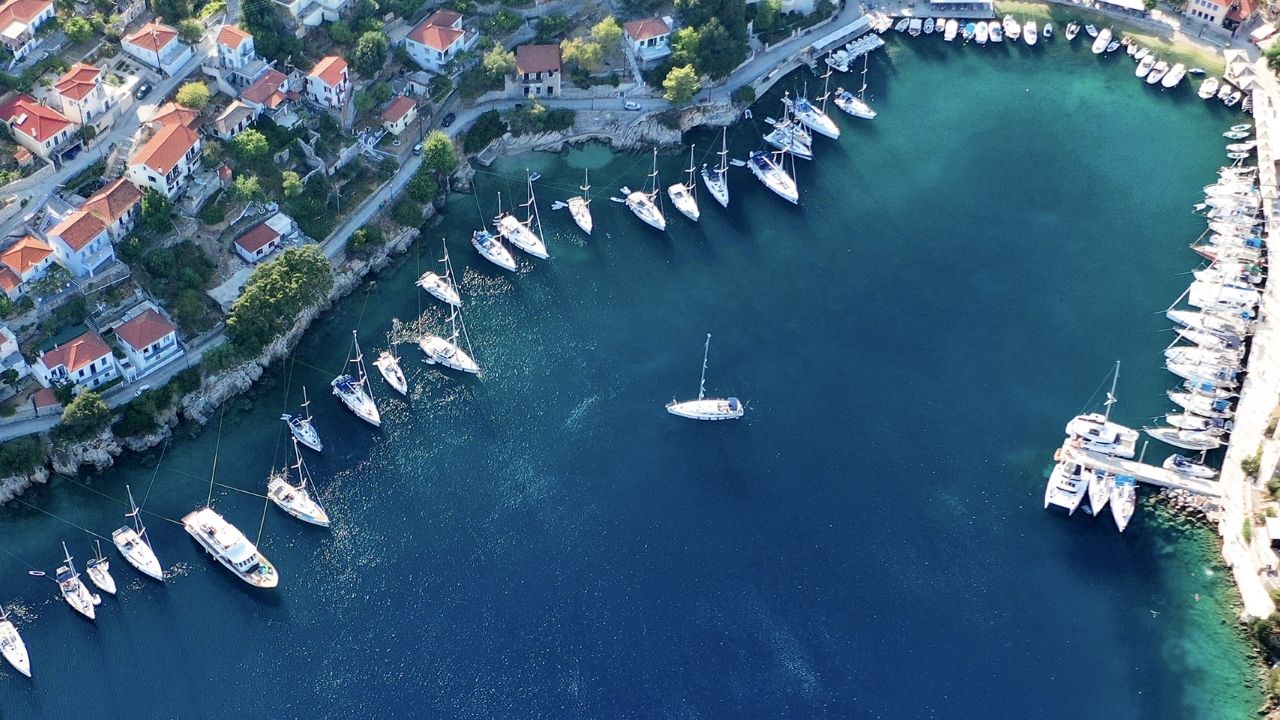
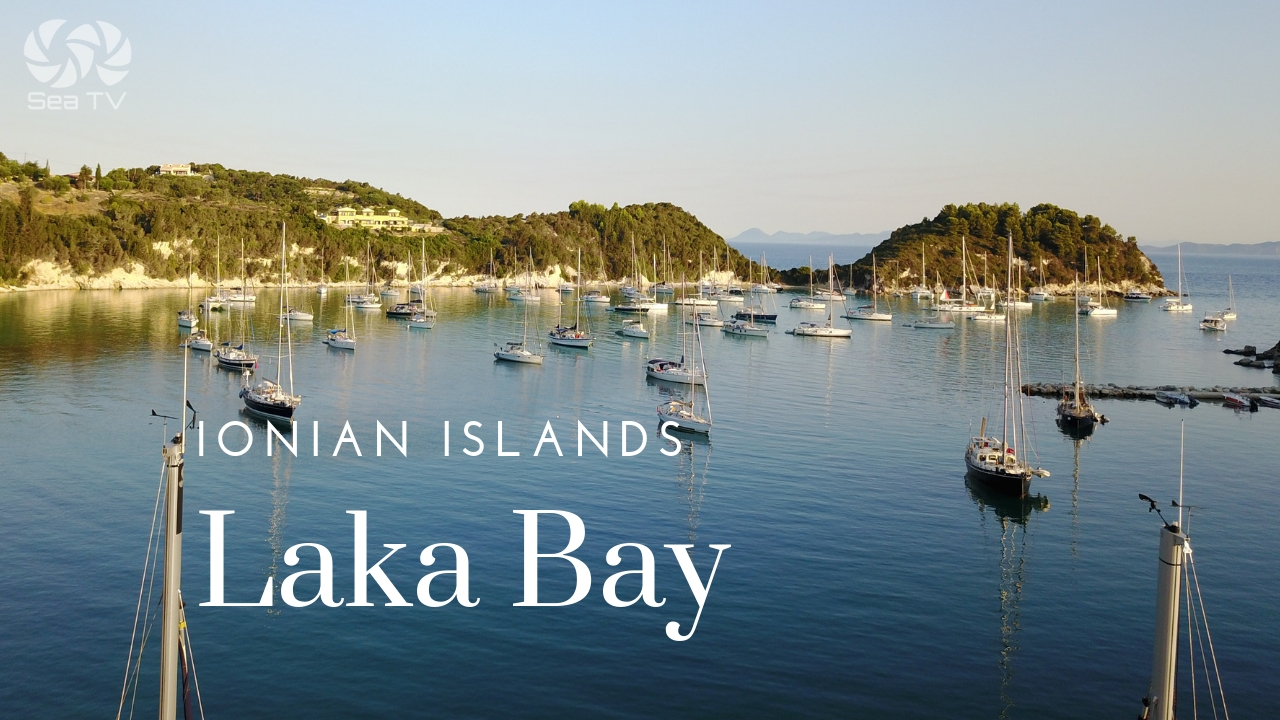
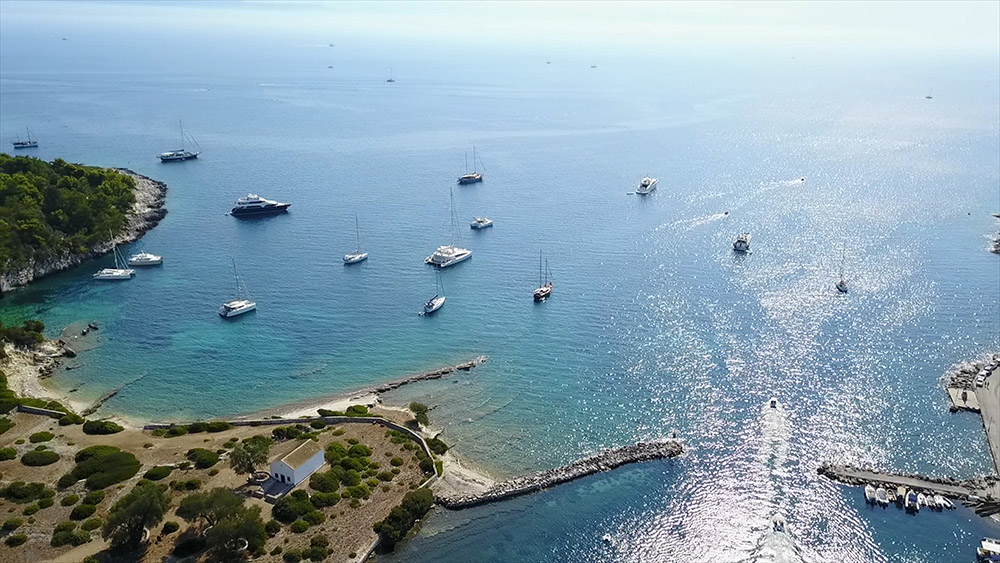
The crossing to Paxos the next morning was thirteen miles of glass. We left at seven and were anchored in Lakka by eleven, the horseshoe of turquoise water already starting to fill but with plenty of room near the eastern shore. Five metres on sand. We snorkelled the anchor in three minutes flat — visibility so good you could read your own ground tackle from the surface.
Lakka is a small village built around a small bay, and the geometry forces a particular kind of life on it. There is a bakery that opens at six. A fishmonger that finishes by ten. Two supermarkets, neither of them large. Three or four tavernas, all of them with the same chalkboard. We walked to the lighthouse on the western headland in the late afternoon, watched the bay from above as the boats settled into their night positions, and walked back down for dinner at Diogenes, where the moussaka comes in a tin dish hot enough to weld iron and the carafe is local and rough and exactly right.
⚓ Days 4–5 — Gaios & the Antipaxos Detour
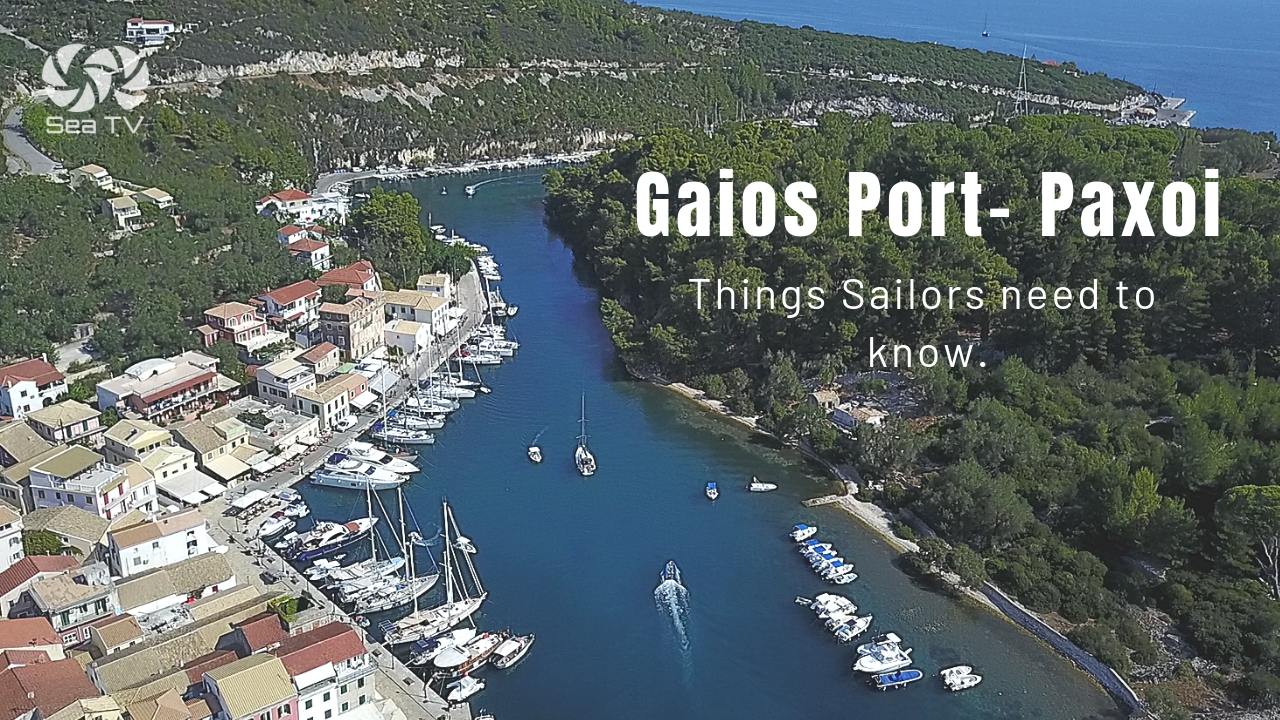
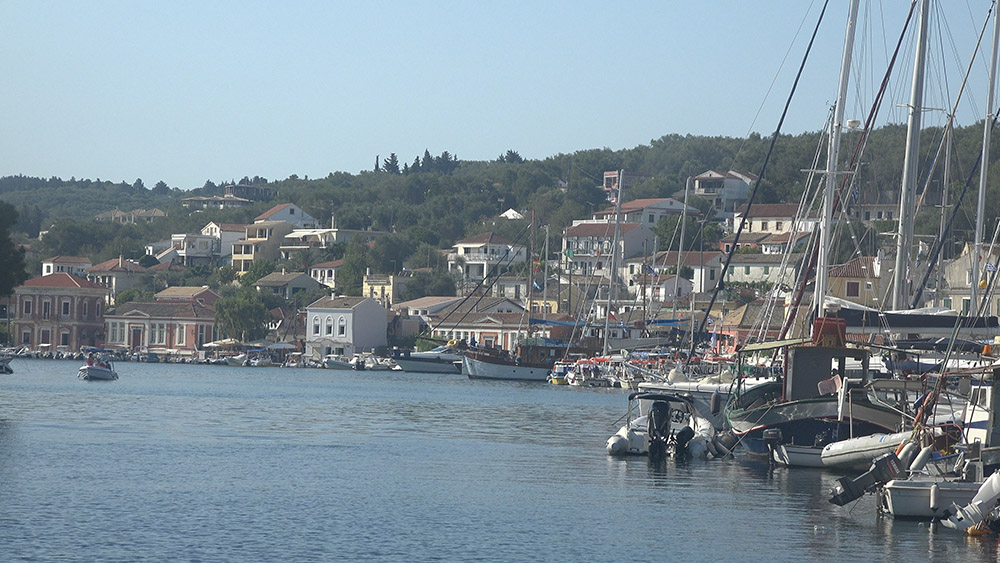
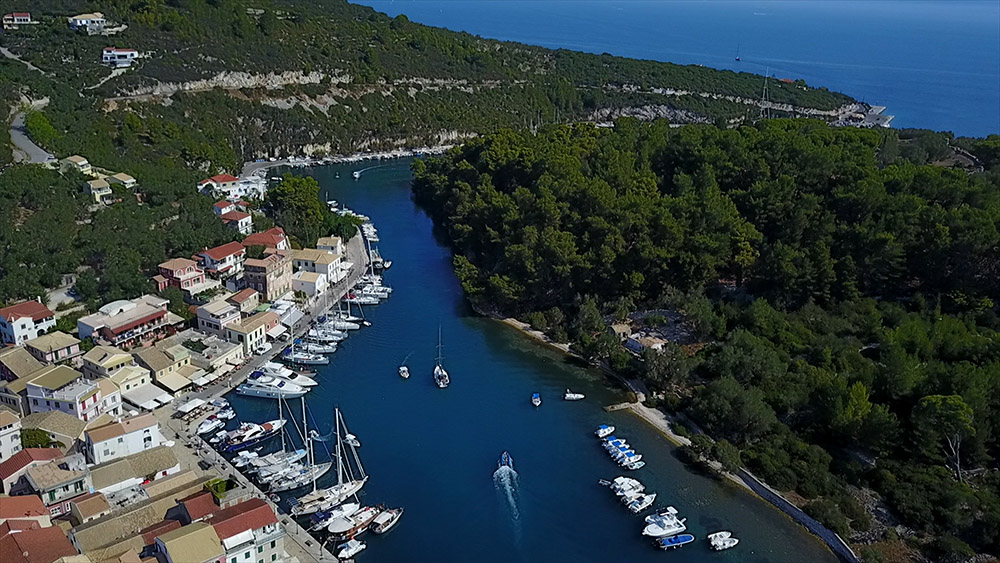
Six miles down the east coast of Paxos to Gaios, the only proper port on the island and a kind of revelation after Lakka — narrower, busier, hidden in a channel between Paxos and the small islet of Panagia. The village quay runs along the channel and you reverse stern-to with the church tower of the island chapel directly behind you and the day-tripper boats from Corfu coming through the channel three abreast.
We arrived at ten-thirty before the day boats, did the manoeuvre slowly, took a quay spot near the bakery, and then spent the afternoon doing nothing. There was a small shaded square behind the waterfront where men played tavli — backgammon, but with a particular intensity that involves slamming the dice cup down before each roll and arguing about every move. We bought tomatoes from a stall in the next street, ate them with bread and oil on the boat, watched the channel traffic, slept through the heat.
For dinner we walked five minutes inland to Karkaletzos. Lamb chops over charcoal, a salad with capers and something the chef had grown himself, a bottle of red wine from somewhere on the mainland. The walk back was along stone-paved alleys lit by single bulbs hanging from balconies — the kind of streets that make you slow down without deciding to.
Day 5 we ran south to Antipaxos for a swim — three miles, water so clear it disturbs your sense of depth, white sand visible at fifteen metres. We anchored off Voutoumi beach, ate cold pasta on the foredeck, swam, dozed, swam again, and were back in Gaios for the night by seventeen-hundred. The kind of day that exists only on a boat.
⚓ Days 6–7 — Down to Lefkada
A long day. Twenty-five miles south to Preveza on the mainland, with a strong NW wind on the beam and the boat finally doing what she’d been built for. We lifted the keel out of the water on the second tack and did six and a half knots for an hour straight, which on a Bavaria 40 with a half-clean bottom counts as a personal best.
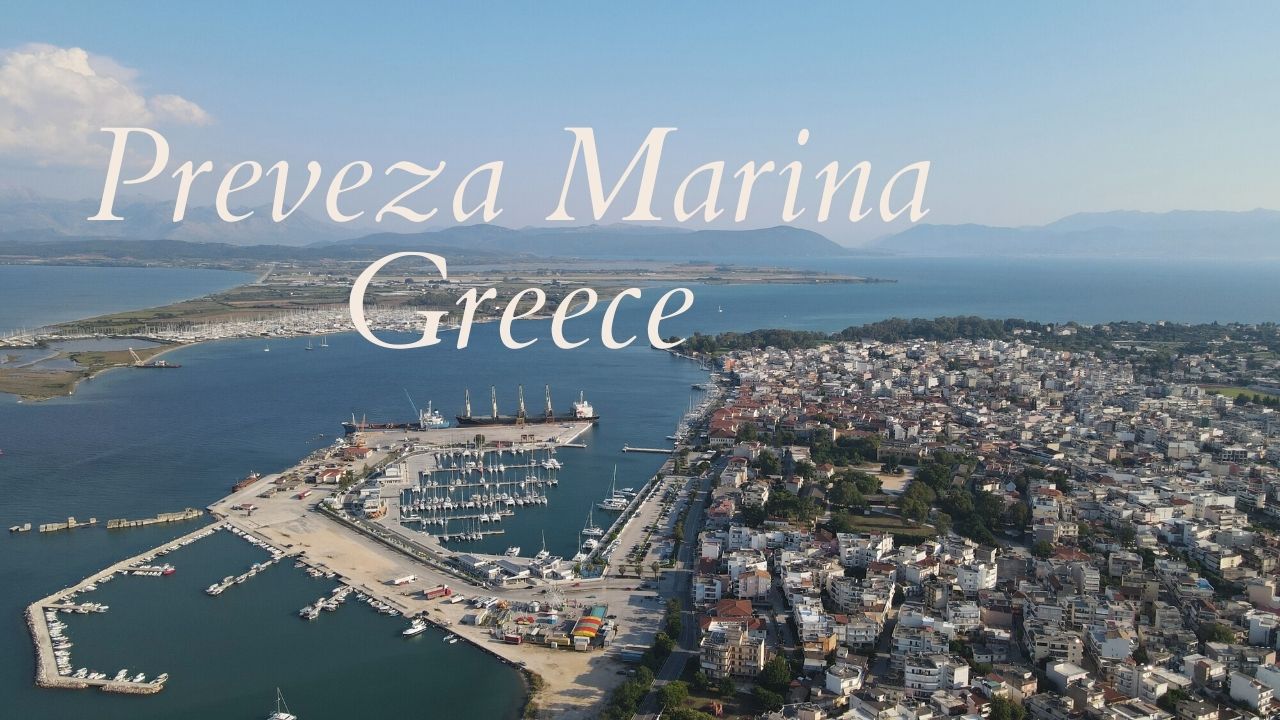
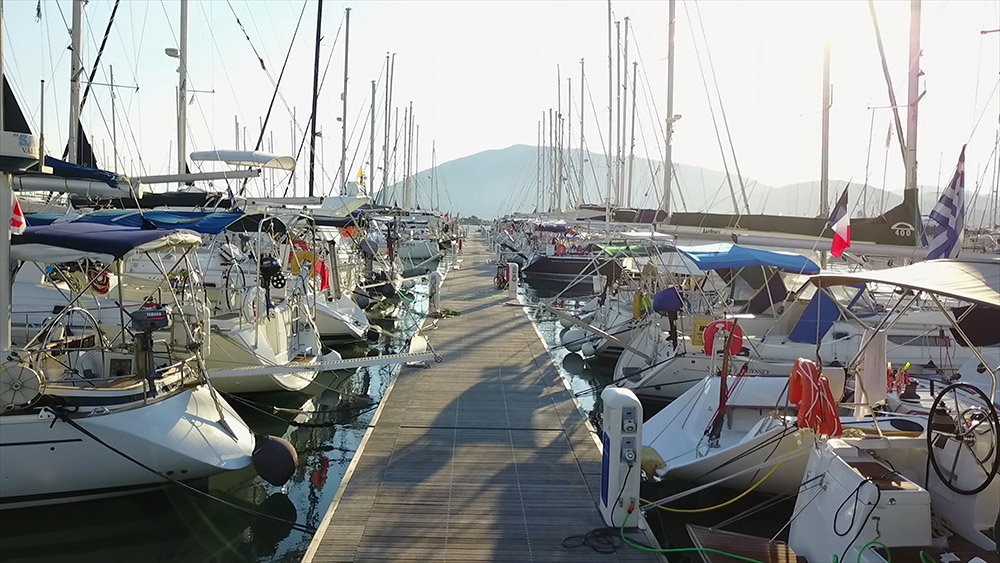
Preveza was the surprise of the trip. We’d planned to stay one night and stayed two — there was something about the town that we hadn’t expected. The marina is calm and well-organised; the town behind the waterfront is unrenovated, working, lived-in. We walked into the old quarter — narrow alleys, bougainvillea coming down from balconies, soft evening light — and ate at a place called En Meze where the table fills up over the course of two hours and you keep ordering one more small plate.
On Day 7 we rented a small car and drove out to Nikopolis, the ruined Roman city ten minutes north of town. It is huge — basilicas, walls, a stadium, a theatre, a city laid out for fifty thousand people that died slowly over four hundred years and now sits half-buried in olive groves. We spent three hours walking among the columns. There was almost no one else there. A shepherd passed with a dozen goats. The bells were small and out of tune with each other and made a kind of cracked music as the animals moved.
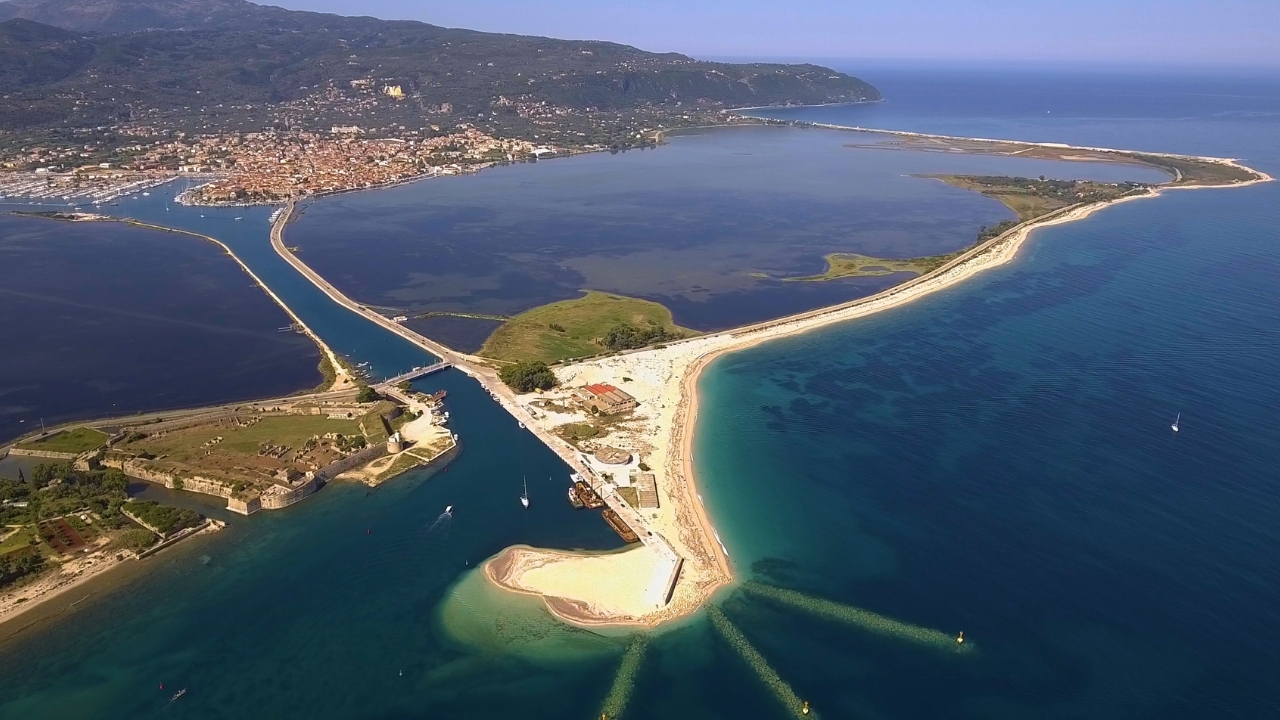
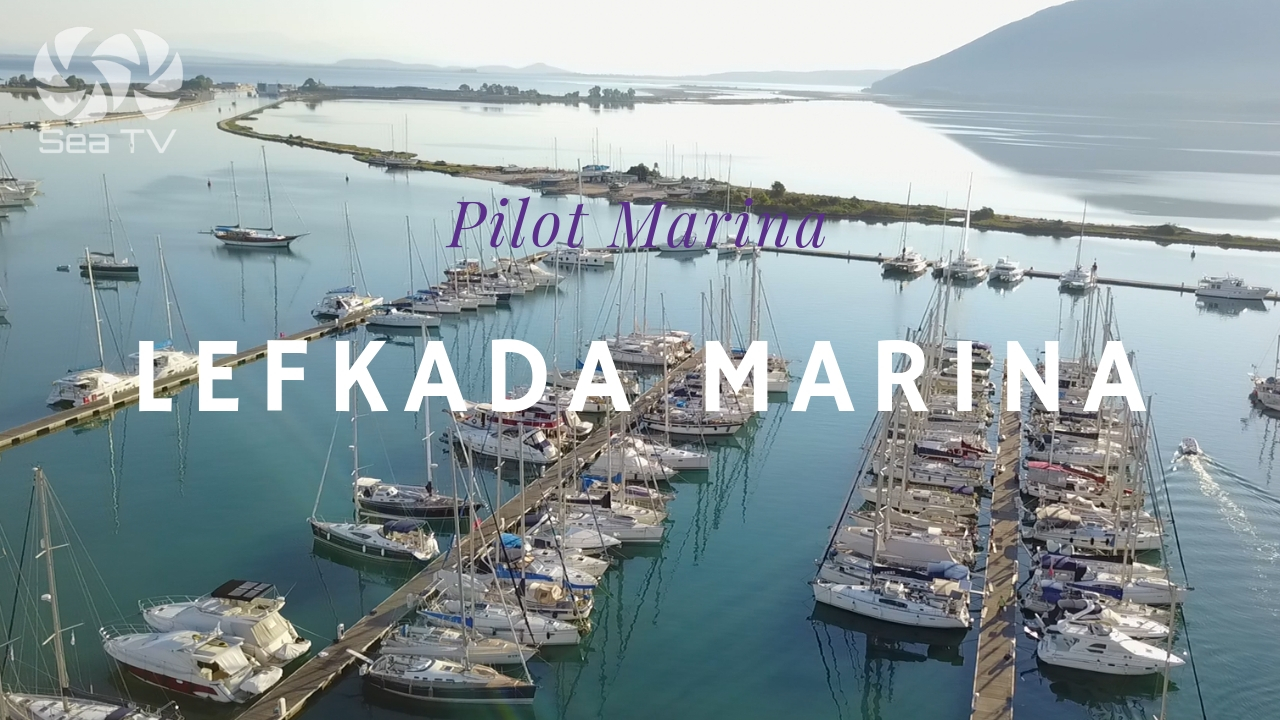
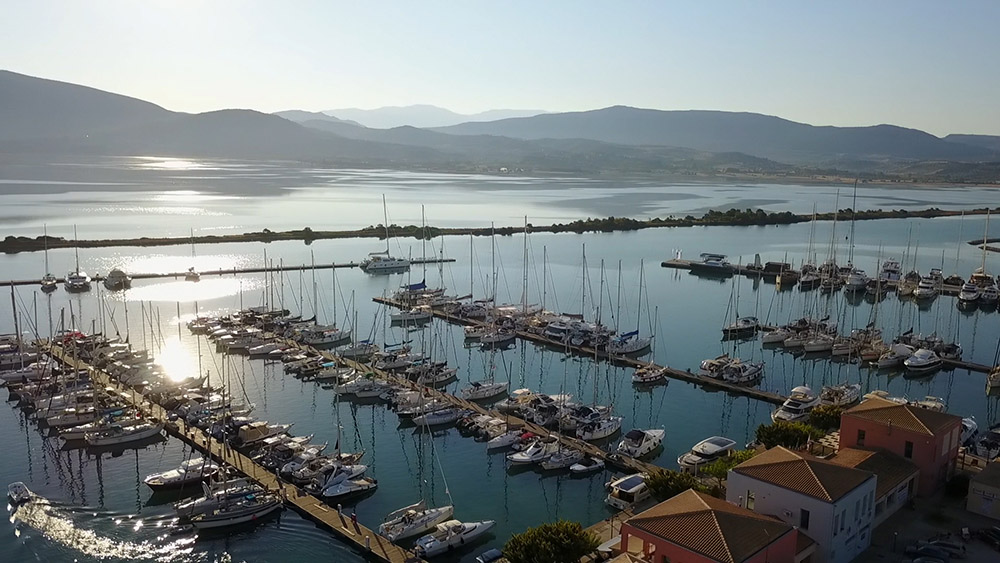
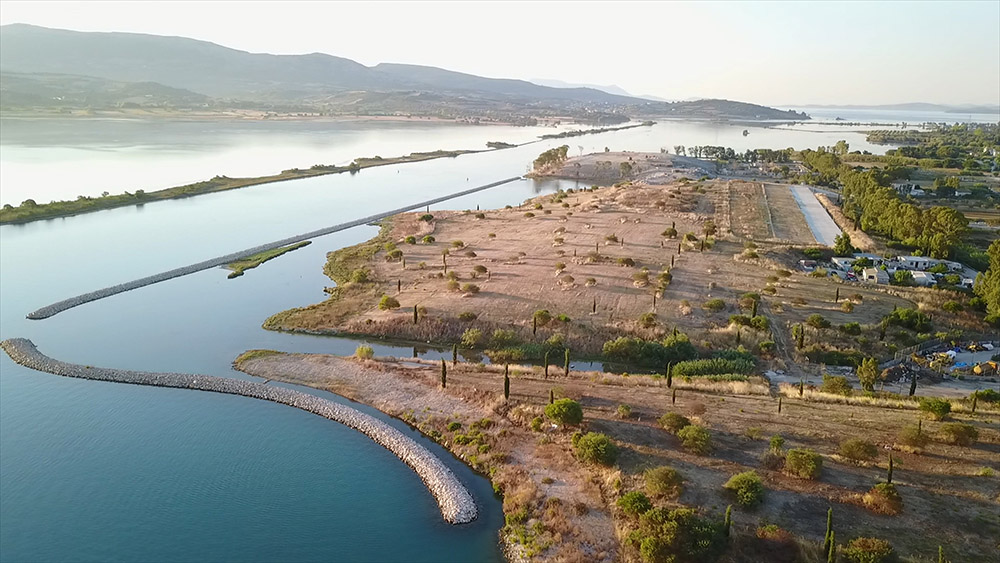
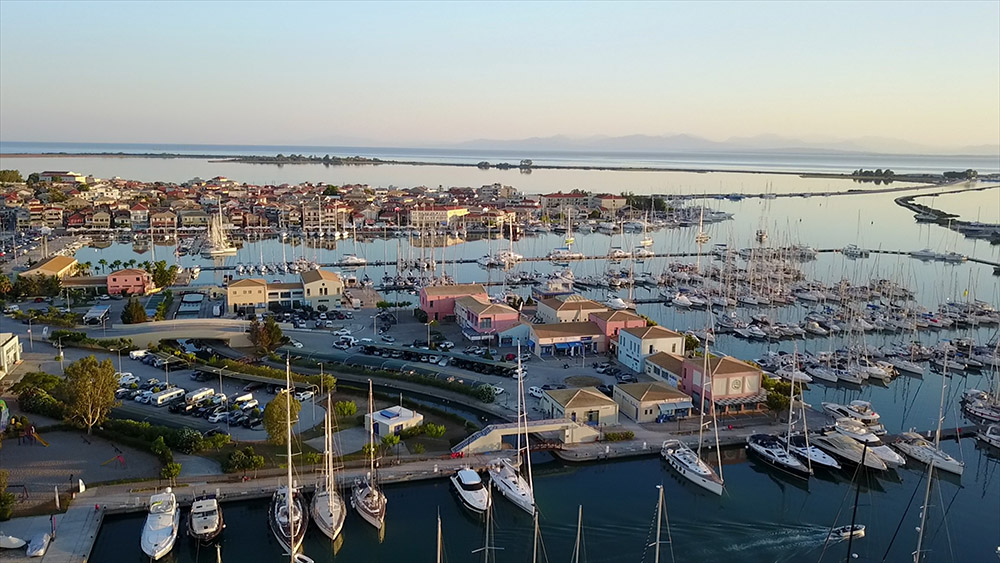
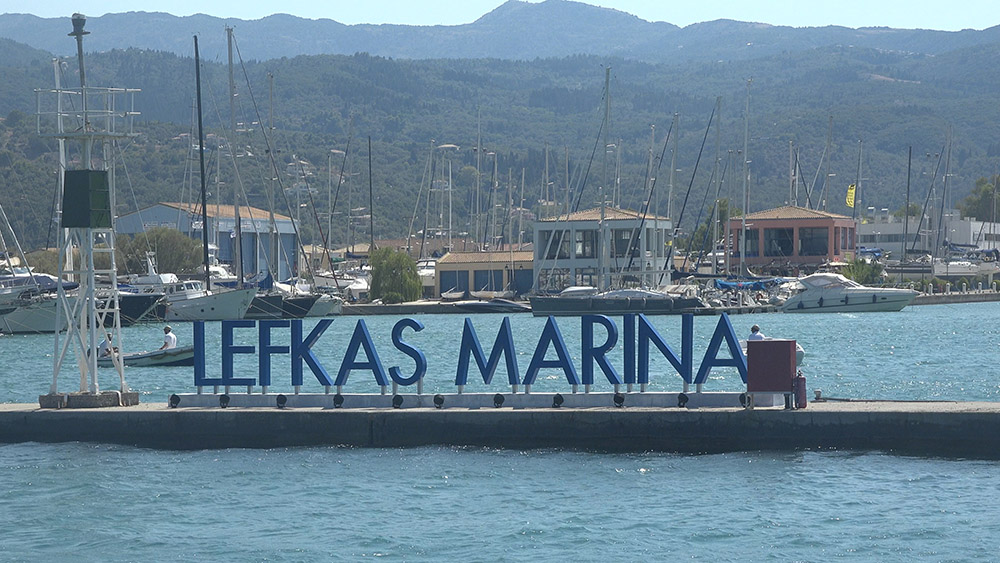
Late in the afternoon we slipped through the Lefkas canal on the seventeen-hundred bridge opening, past the old Venetian fortress at the entrance, into the lagoon and down to Lefkas Marina. After two days in Preveza, Lefkas felt like a city. We did boat jobs, restocked the fridge with fresh meat for the first time in a week, and ate well on the waterfront at Sapfo with the sound of cars and motorbikes and the energy of a place that sees thousands of charter boats a year.
⚓ Day 8 — Meganisi, A Small Bay All to Ourselves
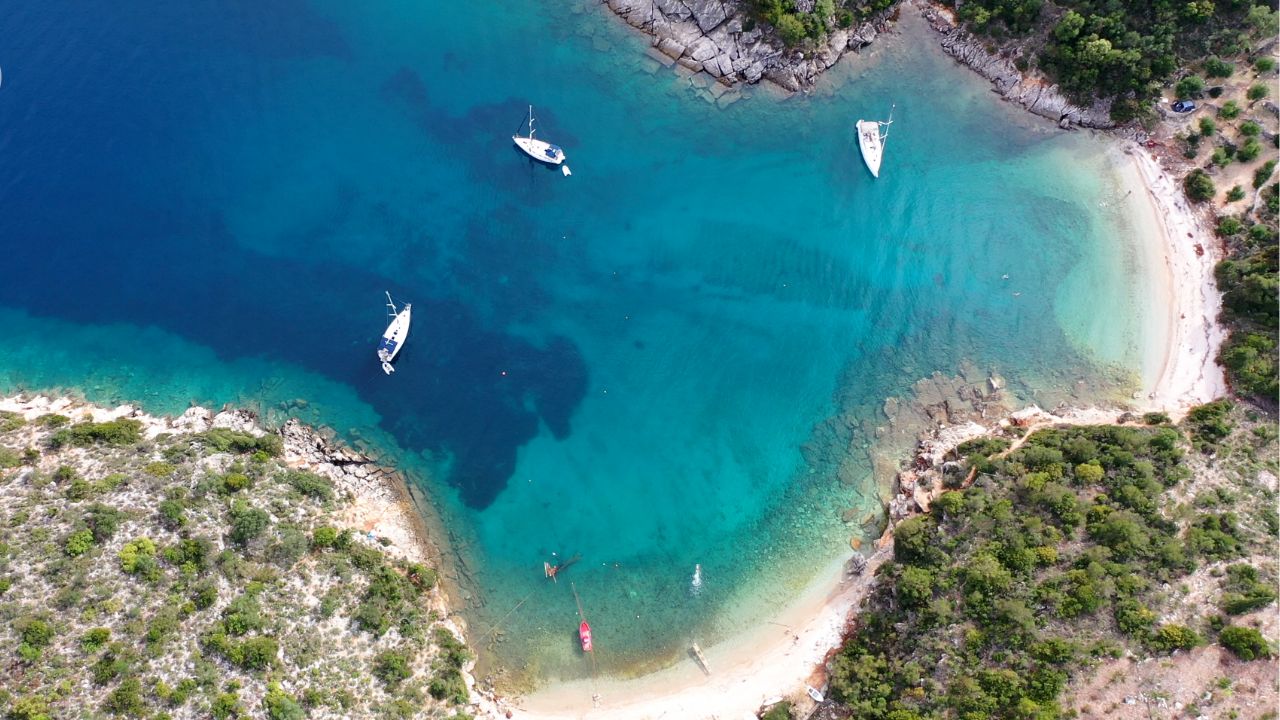
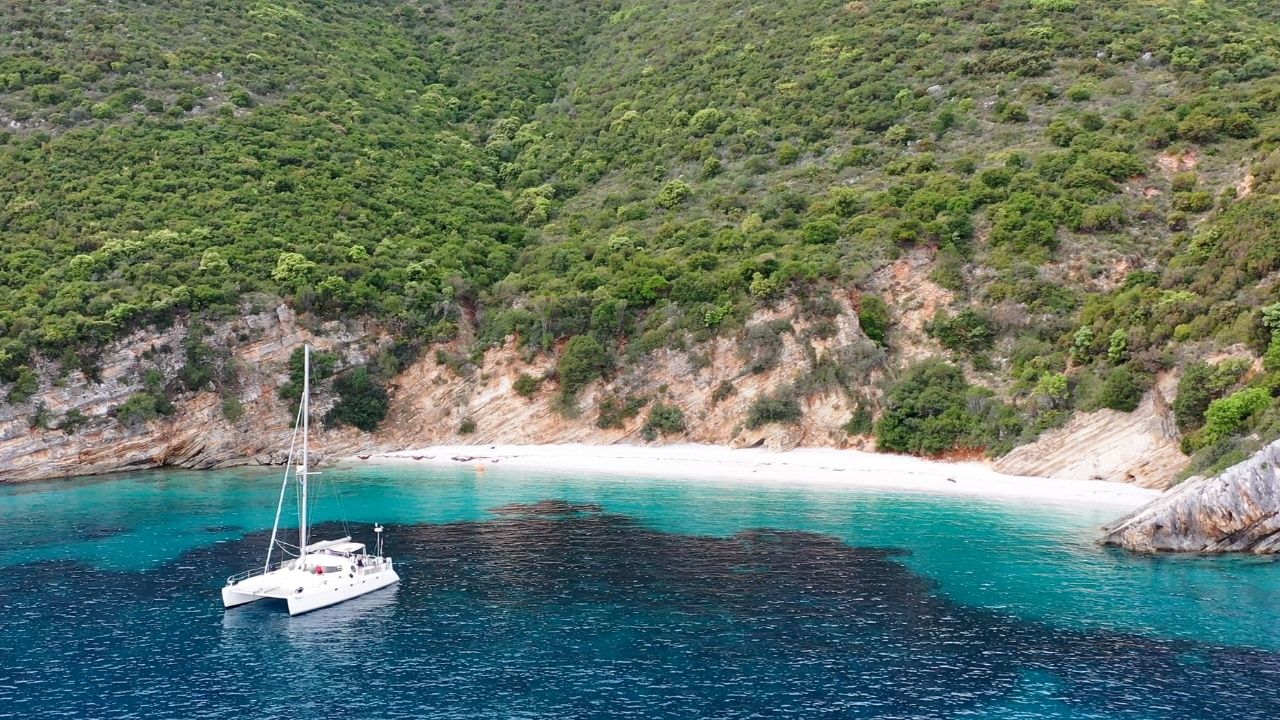
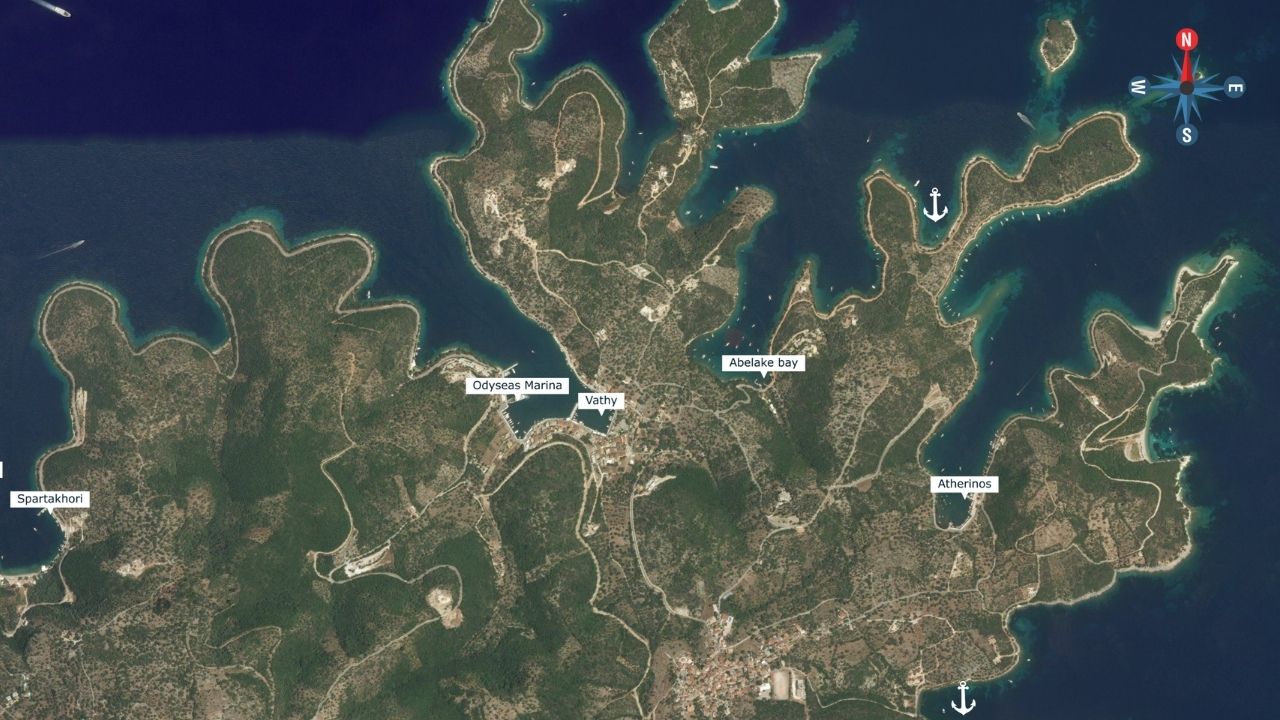
Eleven miles south to Meganisi — small island, three villages, a coastline indented with bays of every size and shelter. We had the chart open on the cockpit table and the cruising guide on a knee, and we picked a small bay called Abelaki on the southwest side because it was the smallest one with a beach and the wind would be off the land.
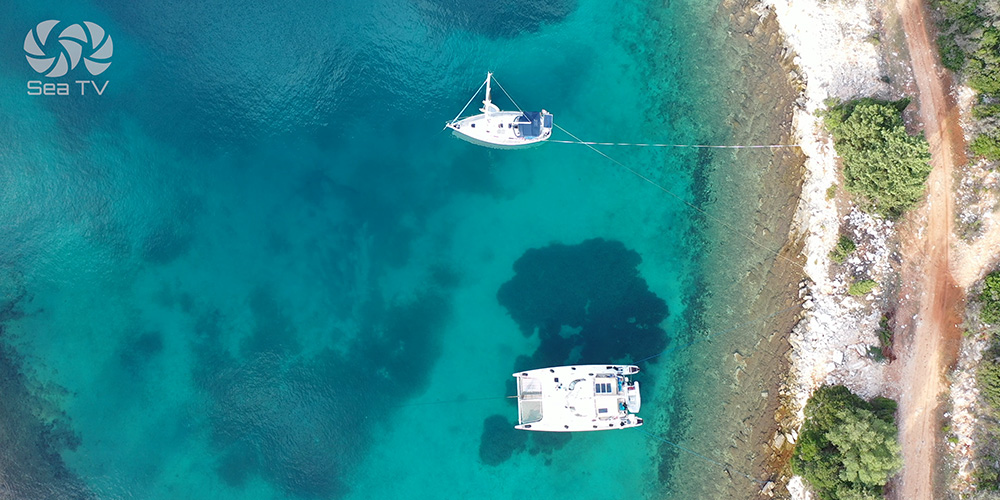
We arrived at thirteen-thirty and there was no one there. Not one other boat. We anchored in seven metres on sand with a long line back to the rocks for added insurance, and spent the whole afternoon with the bay to ourselves. The water was warm enough to stay in for an hour without getting cold. The crew swam, drifted, slept on the foredeck, swam again. By five the sun was low enough to put the cliff behind us in shadow.
In the evening we took the dinghy round the headland to Spartochori, the village in the centre of the island, walked up the steep path from the harbour — a fifteen-minute climb that you regret on the way up and don’t regret at all once you’re at the taverna terrace looking back over Meganisi and Lefkada and the islands between. Greek salad. Roast lamb that had been in the oven since morning. A jug of the rough red. Stars that started showing at the same time the lights came on in the village. We dinghied back to the boat in the dark by the light of the headland lighthouse on Skropios across the channel.
⚓ Day 9 — Ithaca, the Mythological Detour
A morning sail south to Kioni on Ithaca. Twenty miles, the wind picking up nicely from ten-thirty, the boat heeled comfortably on a beam reach with the sails properly trimmed for the first time in three days. We came into Kioni at thirteen-hundred and the harbour was already three-quarters full — the price you pay for the most photogenic anchorage on the Ionian.
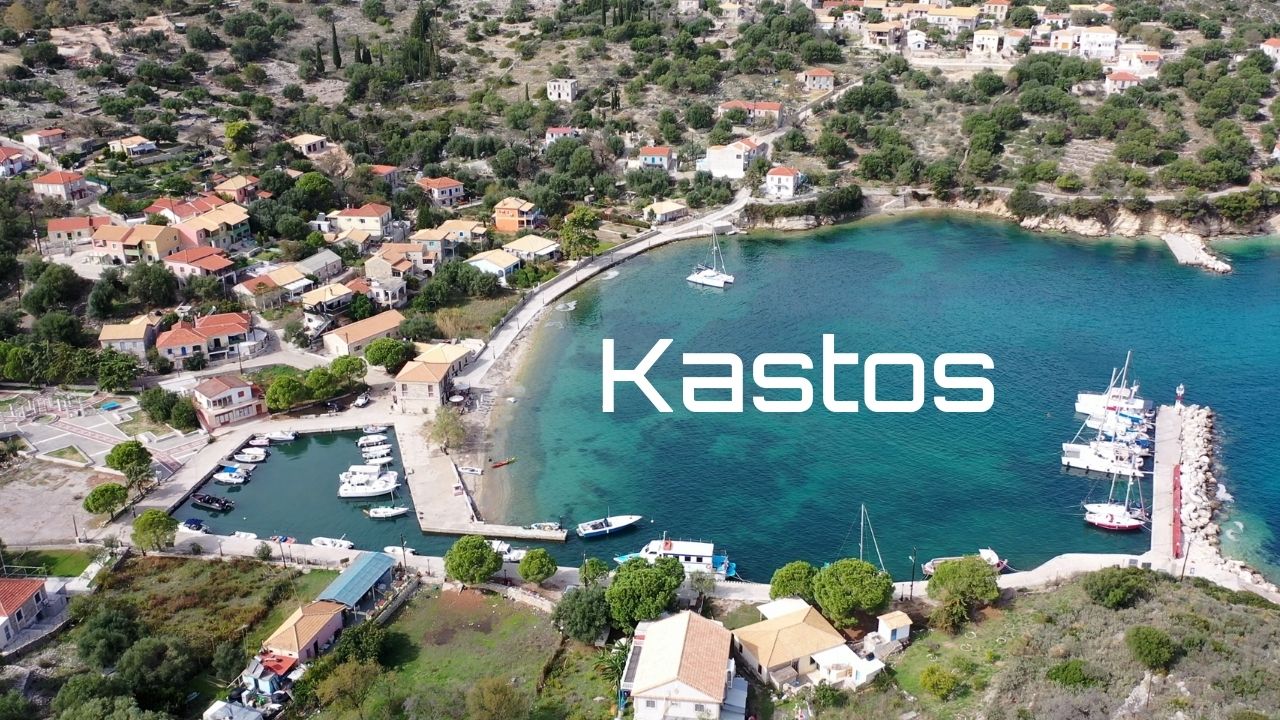
We took the last reasonable spot at the southern end of the quay and walked into the village. Three ruined windmills on the headland north of the harbour. Pastel houses in tight rows. Cats everywhere — Ithacan cats are particularly dignified, in our limited experience. A church bell that rang at exactly five o’clock in a way that suggested it had been ringing at exactly five o’clock for a thousand years and would continue to.
For dinner we ate on the waterfront at a taverna with no name on the door and a chalkboard menu in Greek only. The owner came out to translate. We had grilled fish that he had cleaned that morning, a salad with the local thyme, baked aubergine. He brought us a small glass of homemade tsipouro at the end and would not accept payment for it. The harbour went quiet around twenty-two-hundred and the moon came up behind the eastern headland and put a path of silver across the water from our stern to the beach.
⚓ Day 10 — Fiskardo, the Last Night
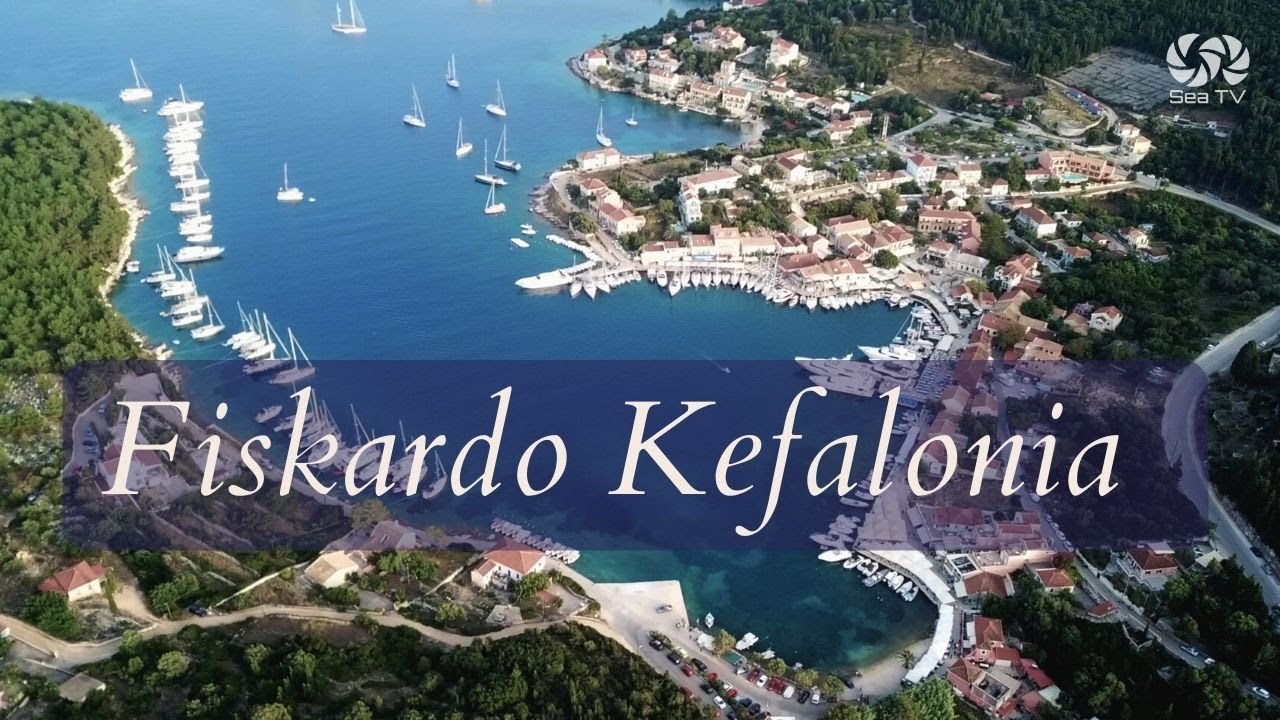
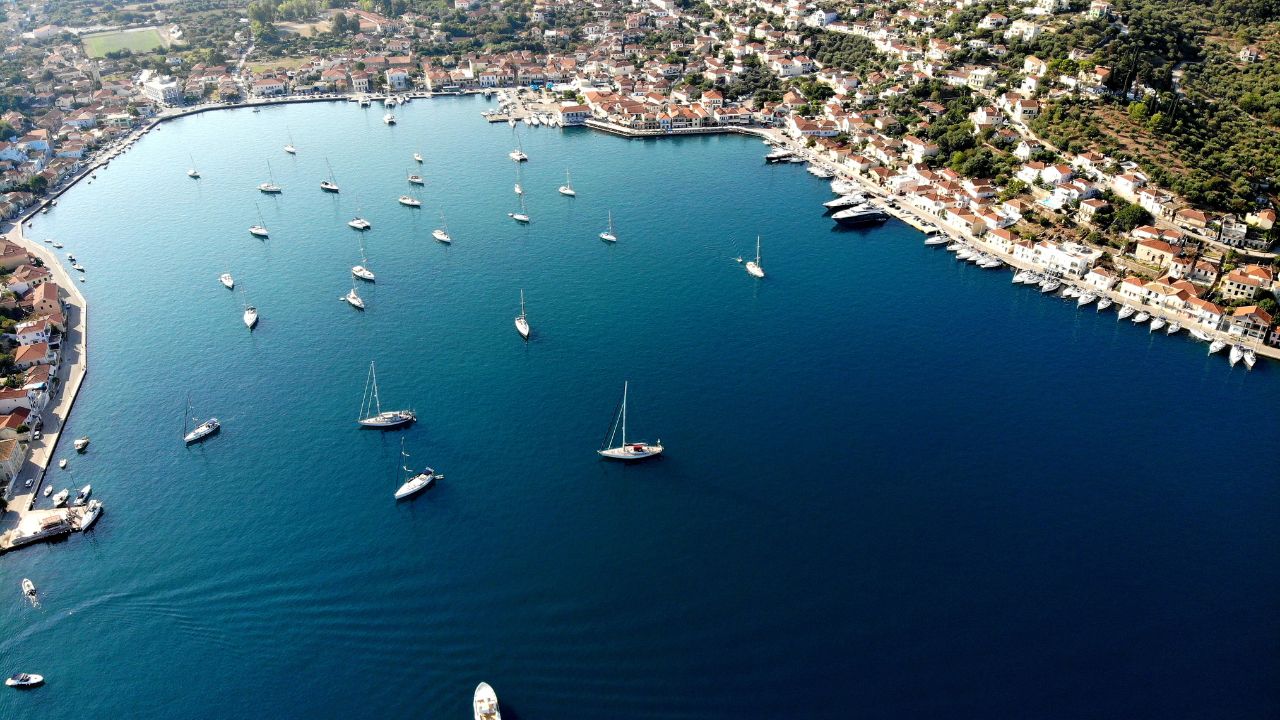
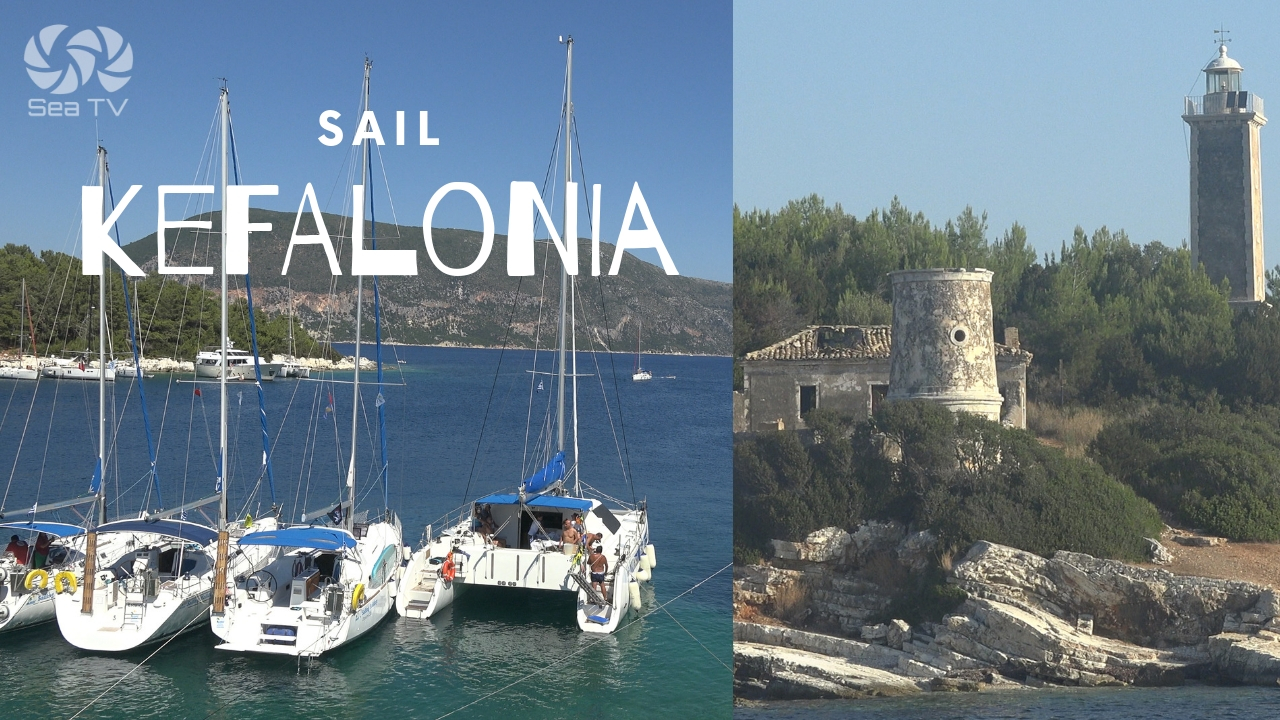
Four miles. Half an hour under sail. We crossed the channel to Fiskardo on the north tip of Kefalonia as a kind of ceremonial last short hop — the village that survived the 1953 earthquake intact while the rest of the island had to be rebuilt, Venetian pastel houses curving around a perfect natural harbour, a place that looks like a film set because almost every film set in the Ionian has used it.
We arrived at eleven, took a quay spot before the lunchtime rush, and the rest of the day was for nothing in particular. Coffee at the waterfront café where the owner remembered us from a previous trip. A long swim off the boat. A walk to the ruined stone lighthouses on the north headland — twenty minutes uphill through olive grove and pine — for the view back over the harbour and across the channel to Ithaca, which by then we were already nostalgic about.
For our last dinner we went to Tassia, the famous waterfront kitchen run by a chef who has cooked there for forty years. We ate slowly. Local fish baked with herbs. A salad that had clearly been someone’s whole afternoon. Two glasses of a Robola white from a small estate on the side of Mount Ainos. The owner came over at the end and asked where we were going next, and we said home, and she nodded the way Greek women nod when something obvious is being acknowledged.
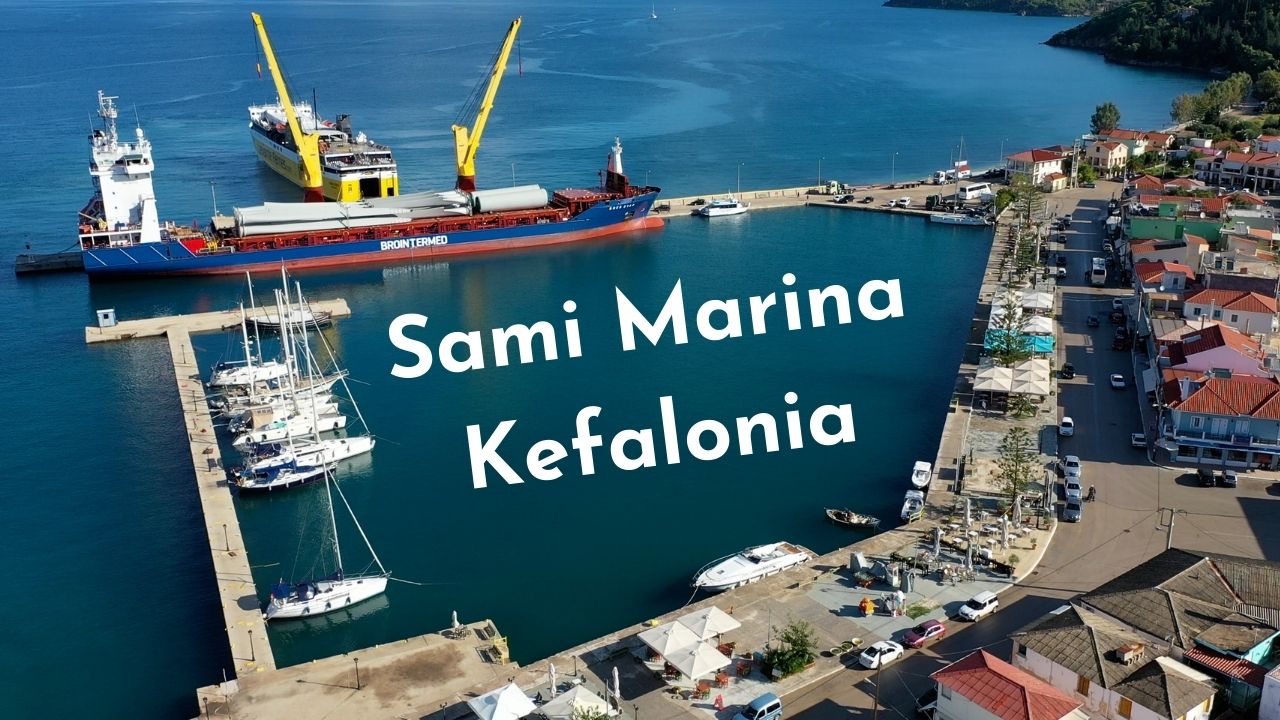
We sailed back across to Sami the next morning under a grey sky and a freshening wind, handed the boat over before noon, and were on the airport bus by three. The boat smelled of salt and wet rope and a little of garlic from the dinner two nights ago. The crew was tanned and tired in the right way. We had sailed about a hundred and twenty miles in ten days, eaten thirty-six meals, swum more times than anyone counted, and not raced anyone home.
What We Took Away
Plan the route loosely. The Ionian is too close-packed to need a rigid itinerary. We changed our plan three times based on weather, mood, and one taverna recommendation from a fellow sailor in Lakka.
Don’t skip Petriti. Everyone heading south skips the small fishing village. We were the only foreign boat on the breakwater and ended up staying twice as long as planned.
Stay an extra day in Preveza. The town is more interesting than Lefkas across the canal. The marina is cheaper, the atmosphere is more local, and Nikopolis is one of the great archaeological sites of Greece.
Pick a small bay over a famous one. Abelaki on Meganisi was the highlight of the trip for everyone — a bay we picked off the chart because it was the smallest one with a beach.
Eat where the locals eat. The harbour-front restaurants are good. The ones a street back are usually better and a third cheaper.
The Numbers
Total Distance
~120 NM over 10 days
Average Day
12 NM · 4–5 hours sailing
Anchorages
7 different bays · 3 marina nights
Boat Type
Bavaria 40 cruiser · 4 berths used
Season
Late June · prevailing NW thermal
Skill Level
Mixed crew · two licensed skippers
The Visual Pilot Series
Each anchorage and harbour on this trip has its own SeaTV visual pilot video — approach footage, anchorage details, harbour walk-throughs from the cockpit. If you want to plan your own version of this route, the videos give you the same view we had when we were sailing it. Free for members.
Plan your own version
Practical guides to every stop on this route — from Corfu to Kefalonia.
→ Ionian hub · Corfu route · 7-Day itinerary · Lakka · Preveza
“The Ionian rewards the unhurried. The boat that arrives last has usually had the best afternoon.”
— SeaTV Visual Pilot · Trip Log Edition