
SeaTV · Spain · Andalusia · Cádiz · Marina Puerto América
Cádiz — Marina Puerto América · The Oldest Continuously Inhabited City in Western Europe
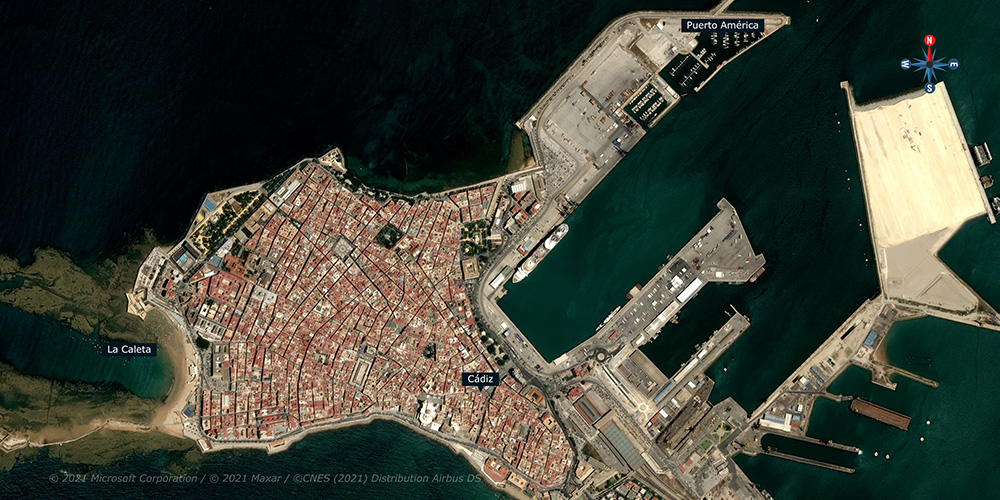
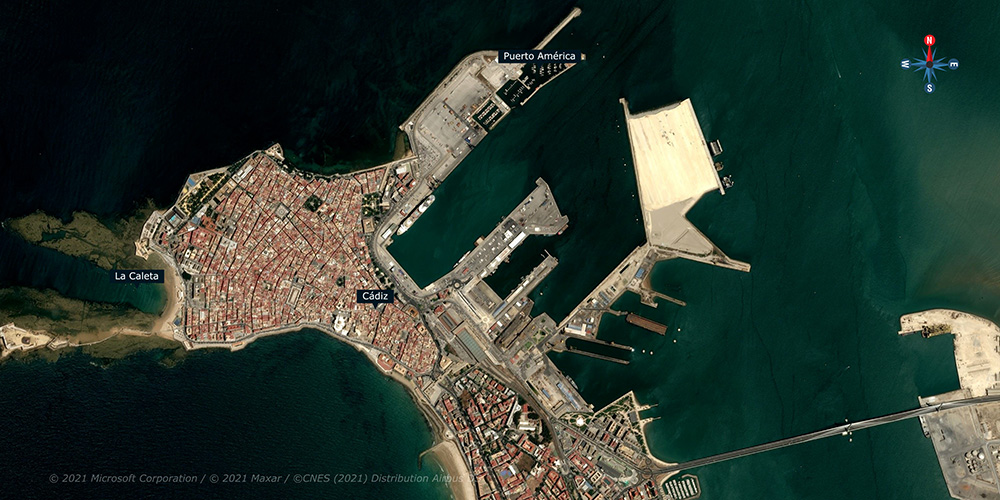
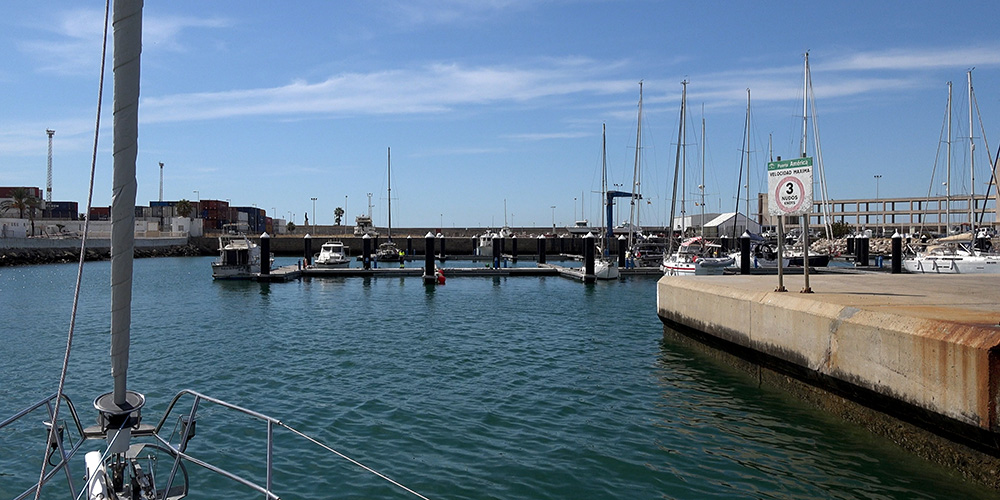
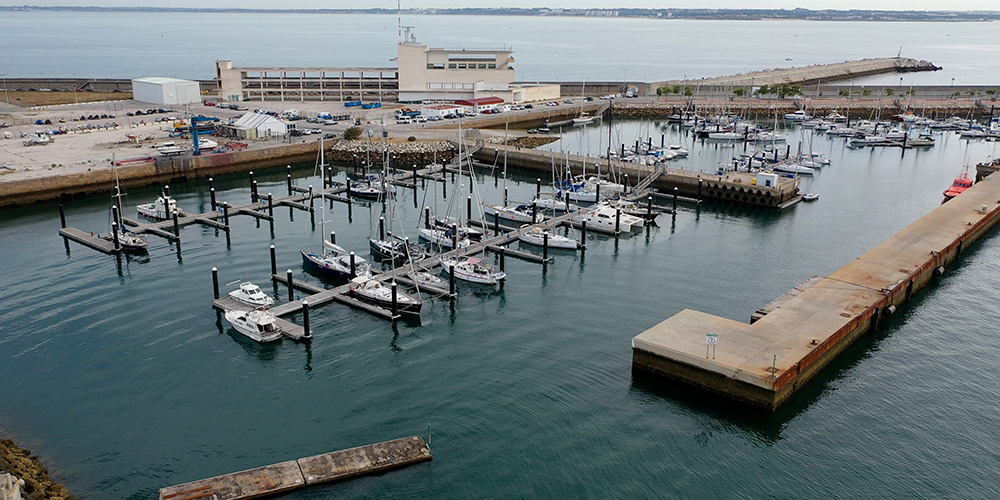
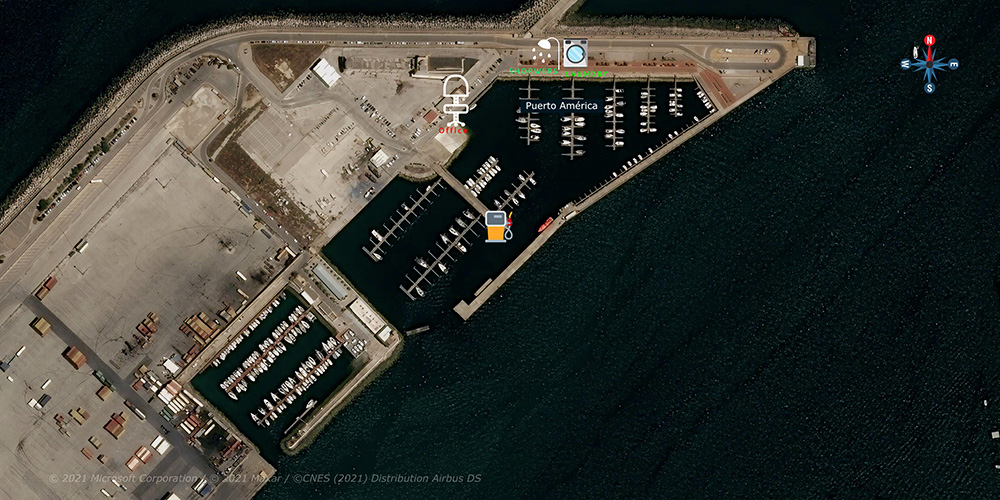
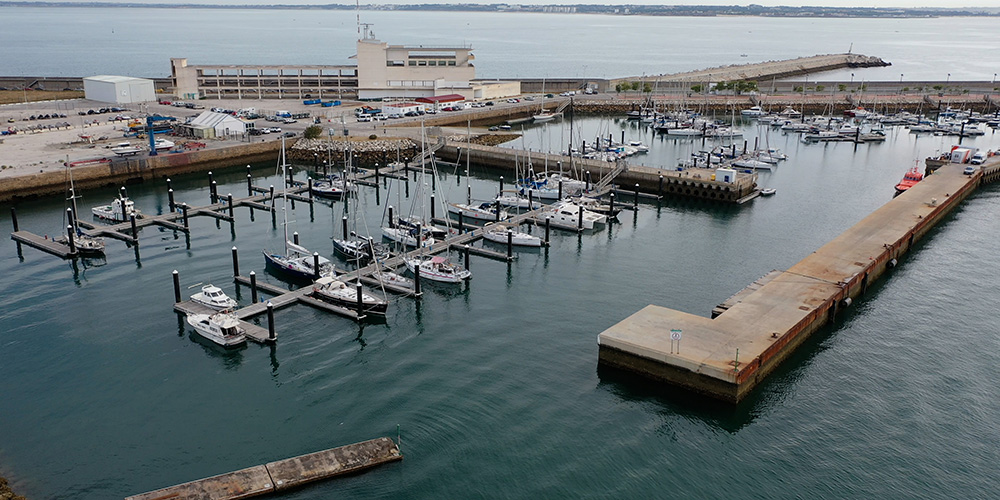
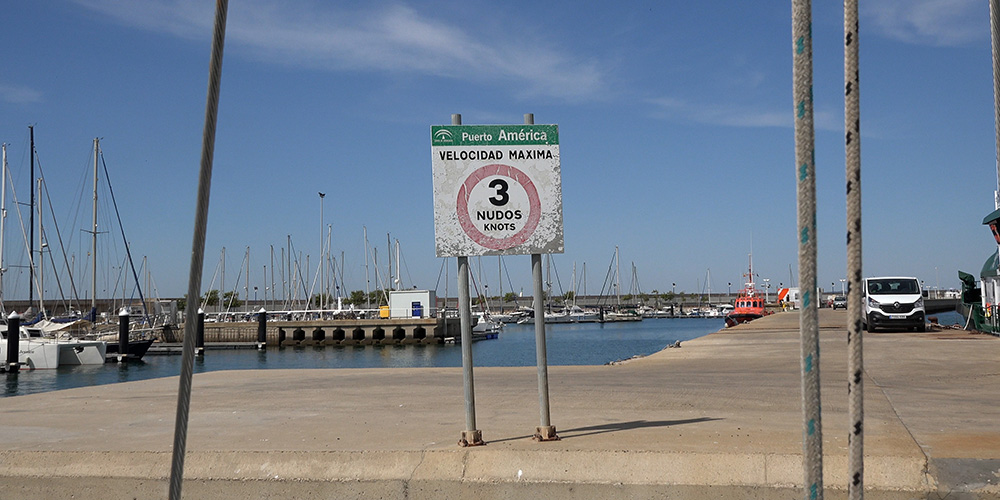
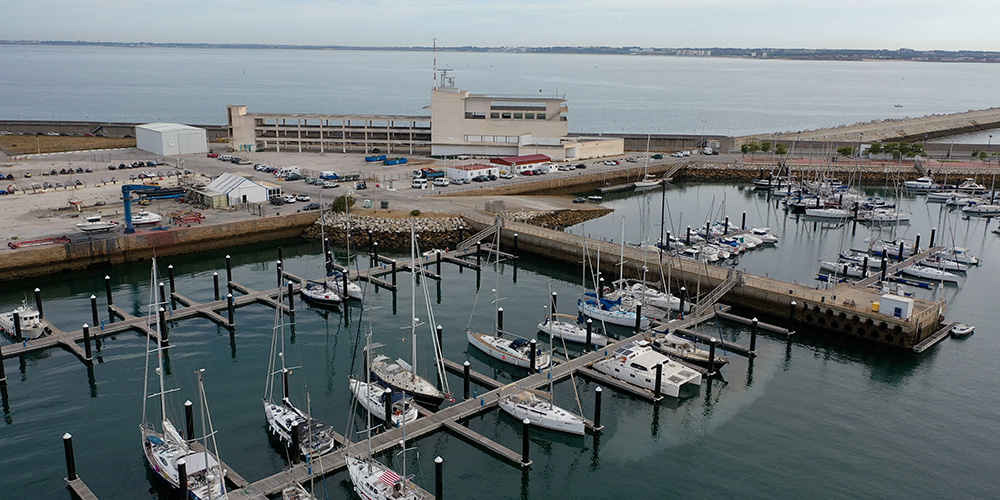
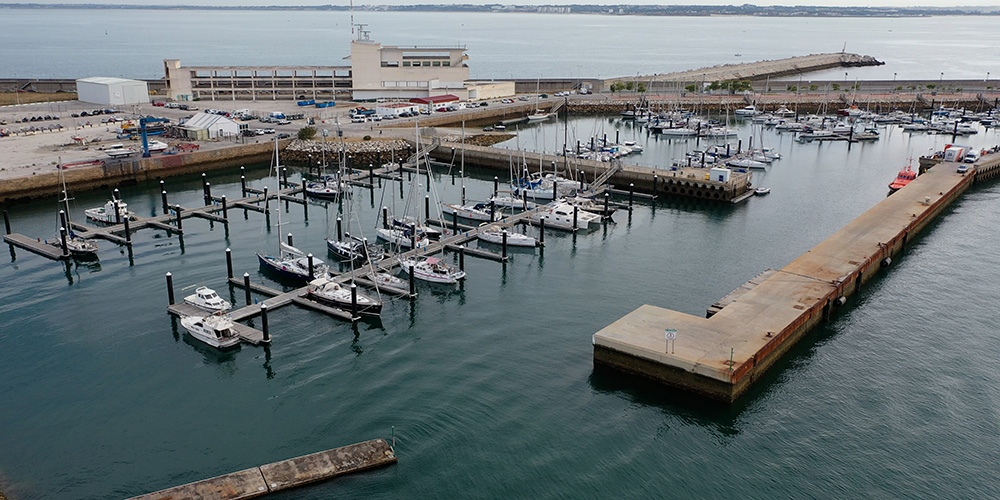
36°32’43″N · 6°16’47″W (Espigón Punta San Felipe Breakwater) · Marina Puerto América · within the commercial port of Cádiz · ~120,000 residents · capital of the province of Cádiz · Andalusia · Costa de la Luz (Atlantic) · ~3,000 years old — founded ~1100 BCE by the Phoenicians as Gadir · the oldest continuously inhabited city in Western Europe · the principal Spanish Atlantic naval port for 4 centuries · departure point of Columbus’s 2nd + 4th voyages · departure point of Magellan’s 1519 circumnavigation · 319 berths · max berths to ~30 m · Nautical Chart 4430 · operated by the Agencia Pública de Puertos de Andalucía · Spanish designated port of entry.
VHF Ch 9 · in the heart of the historic city · 5-minute walk to the Catedral de Cádiz · 10-ton crane · fuel · 24h surveillance · the practical Atlantic stopover before or after the Strait of Gibraltar
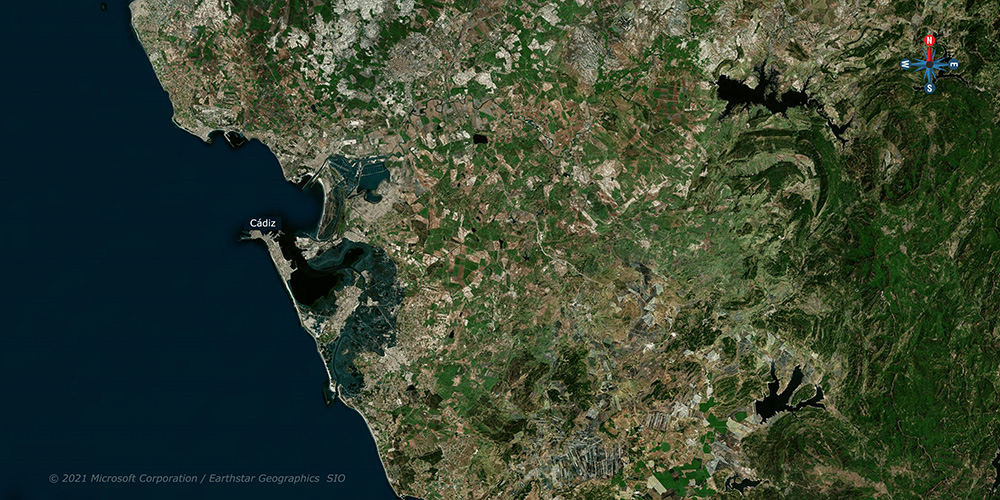
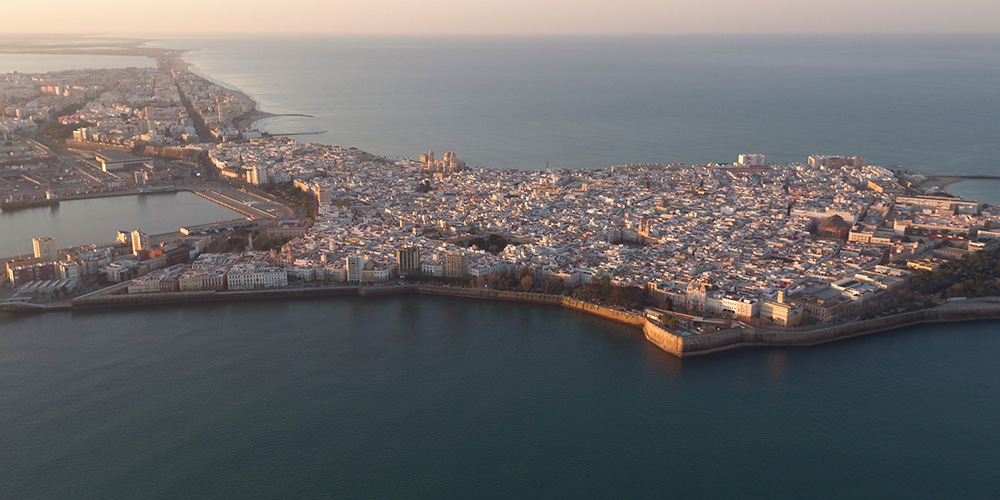
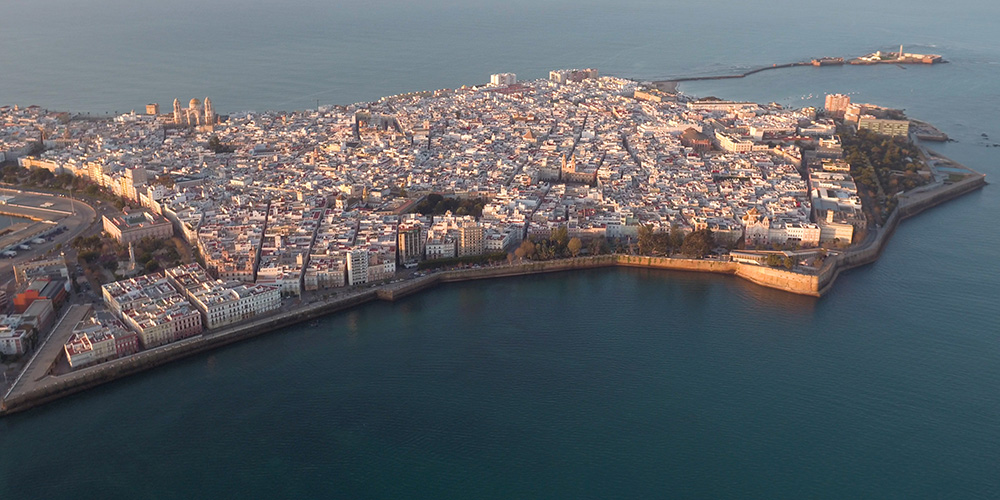
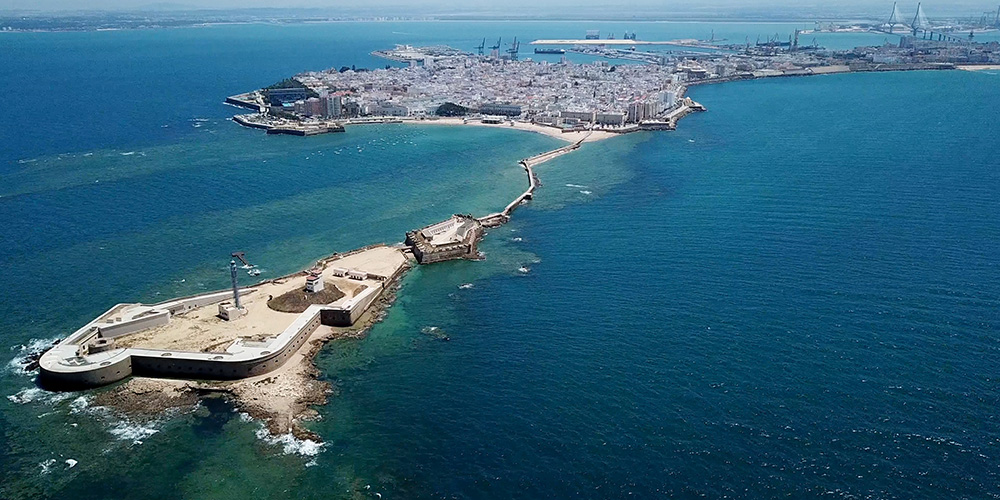
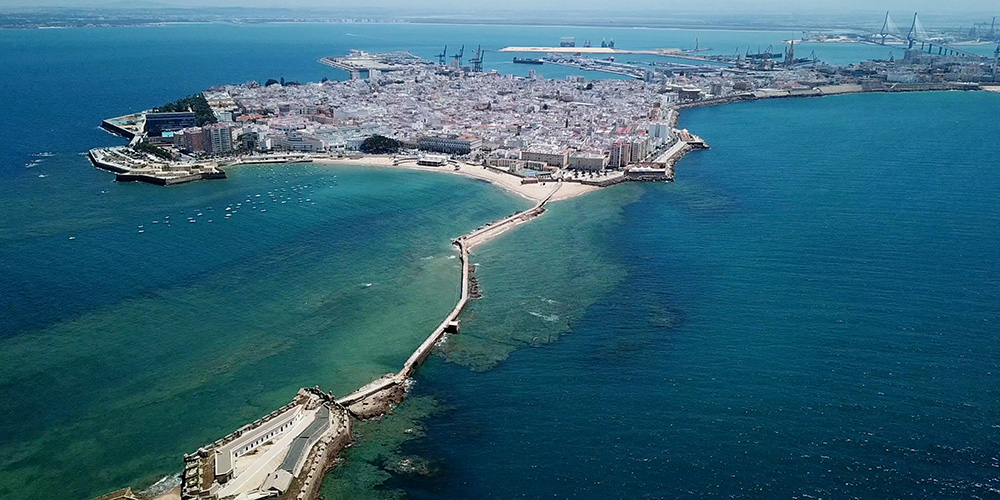
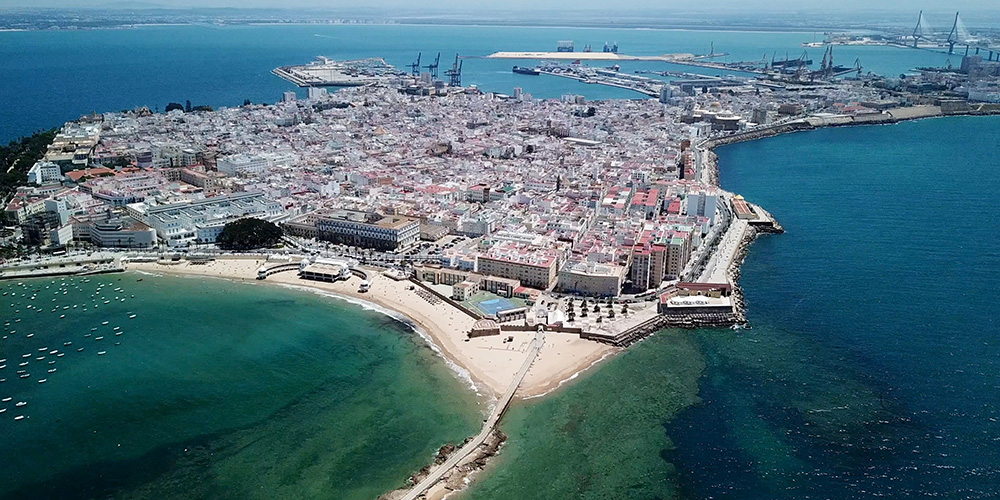
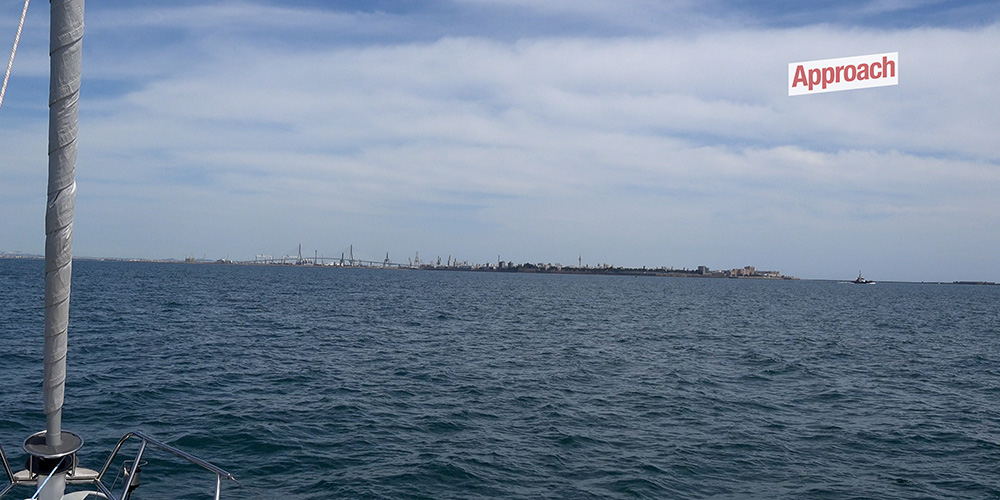
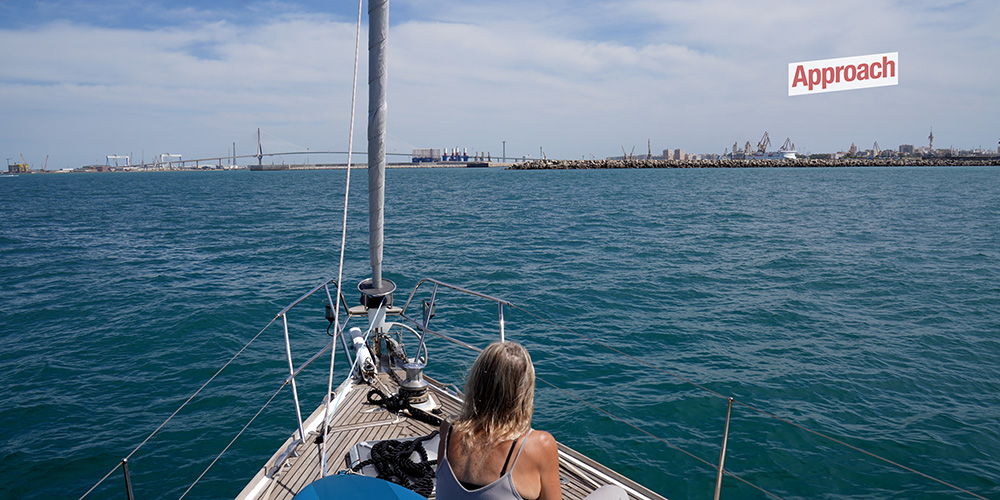
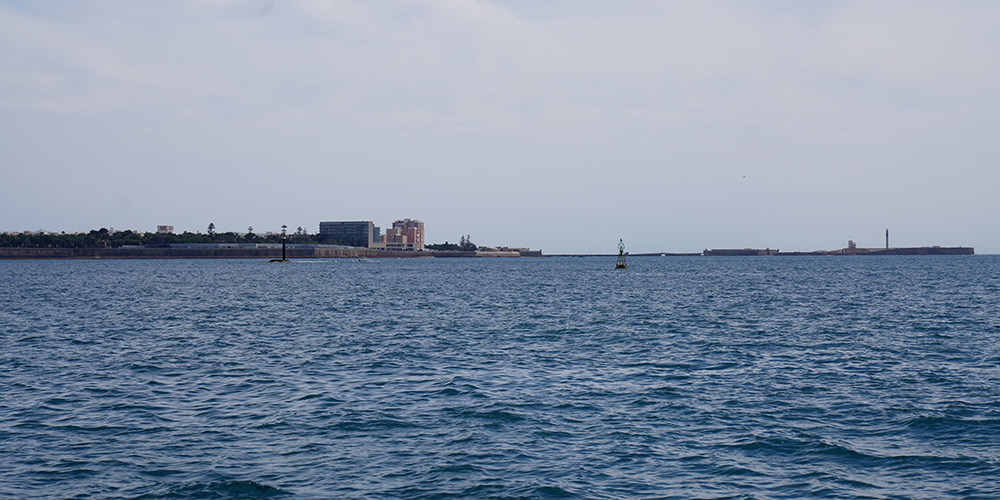
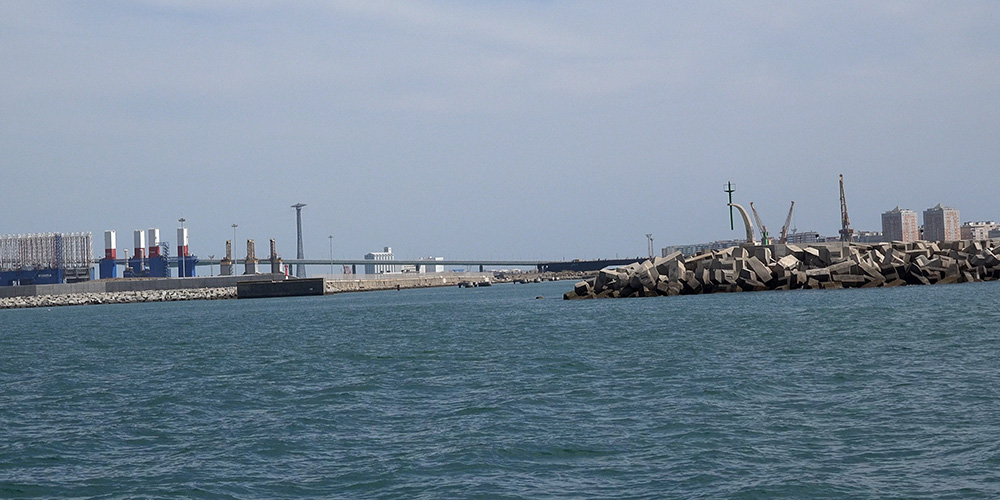
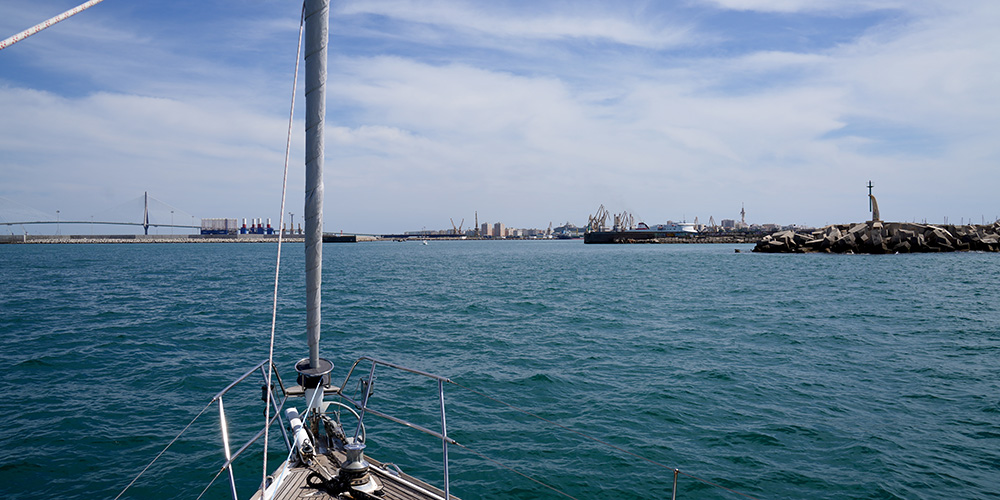
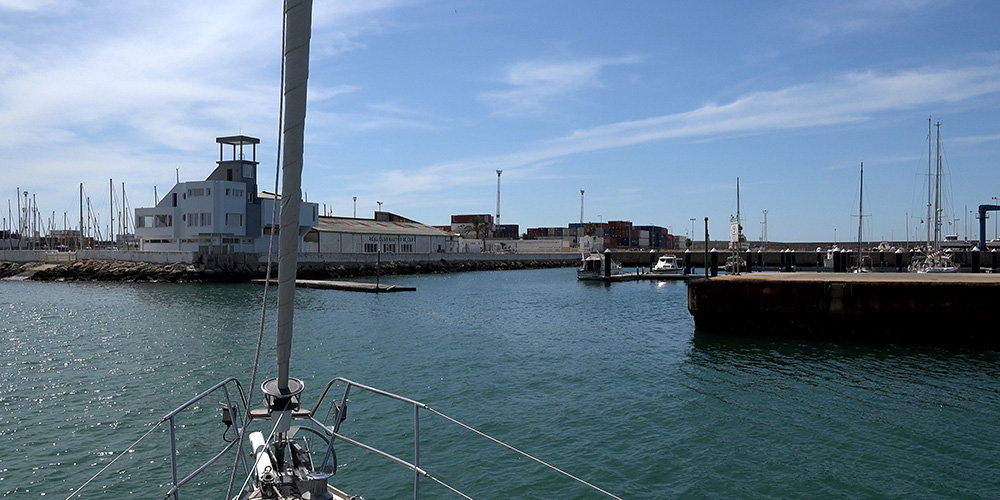
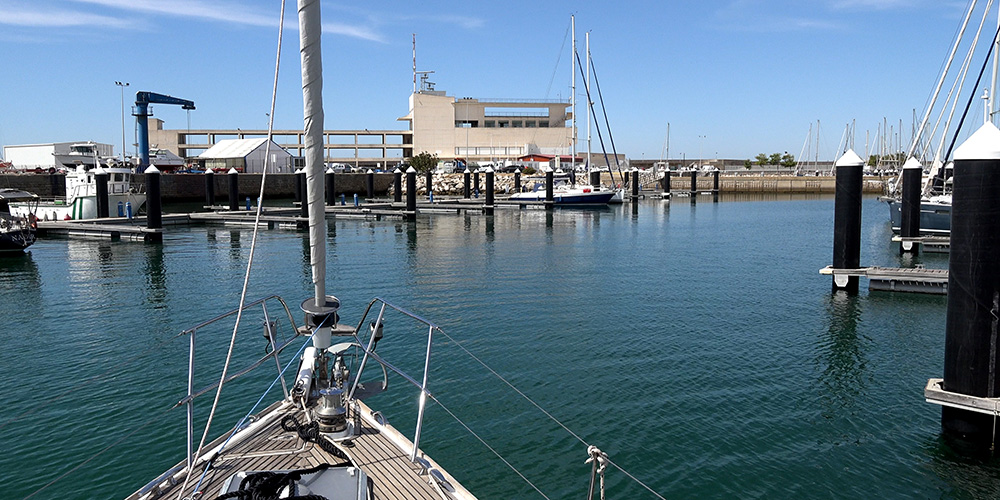
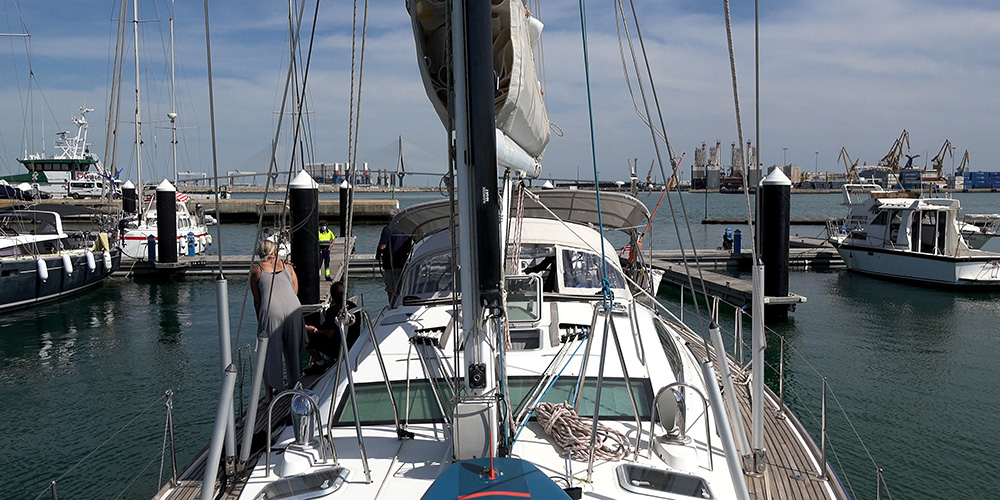
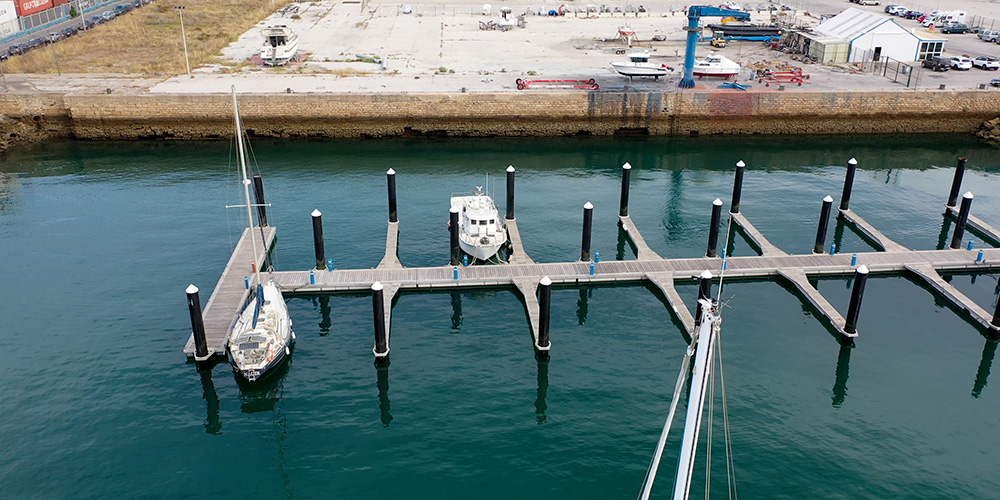
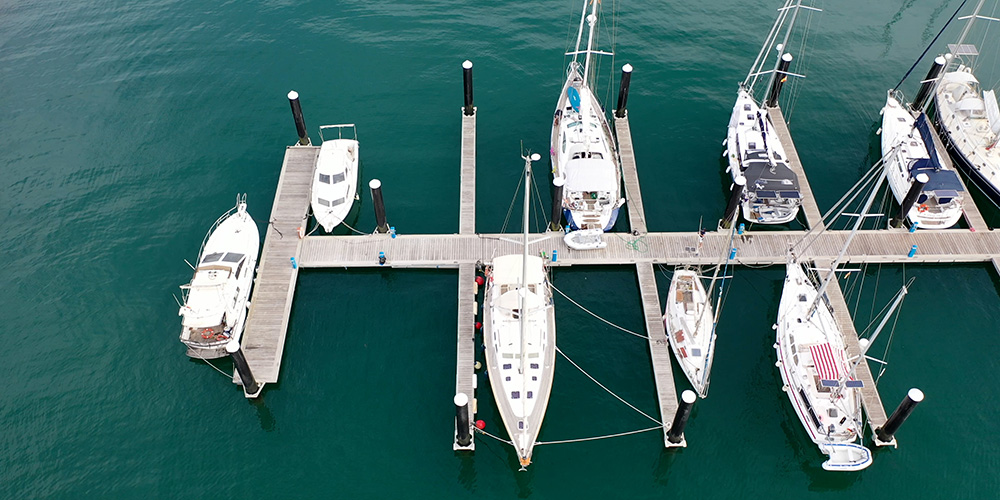
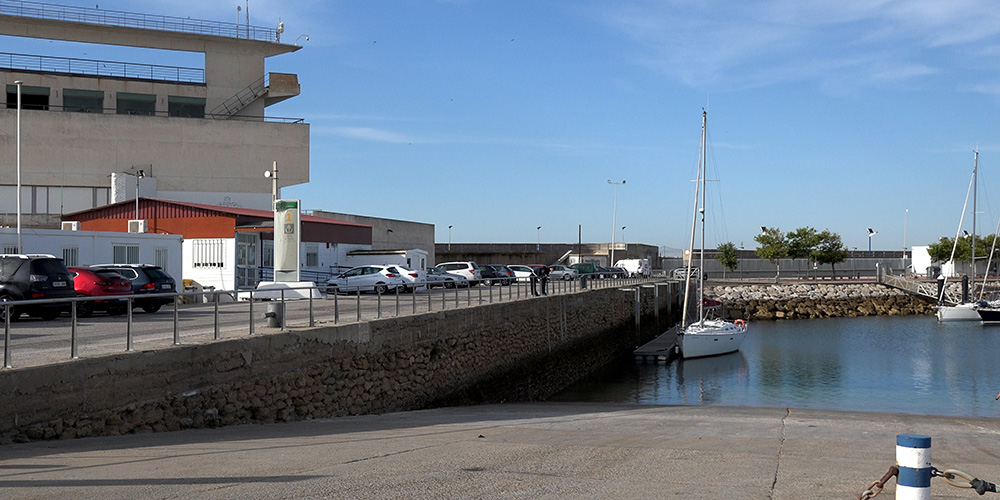
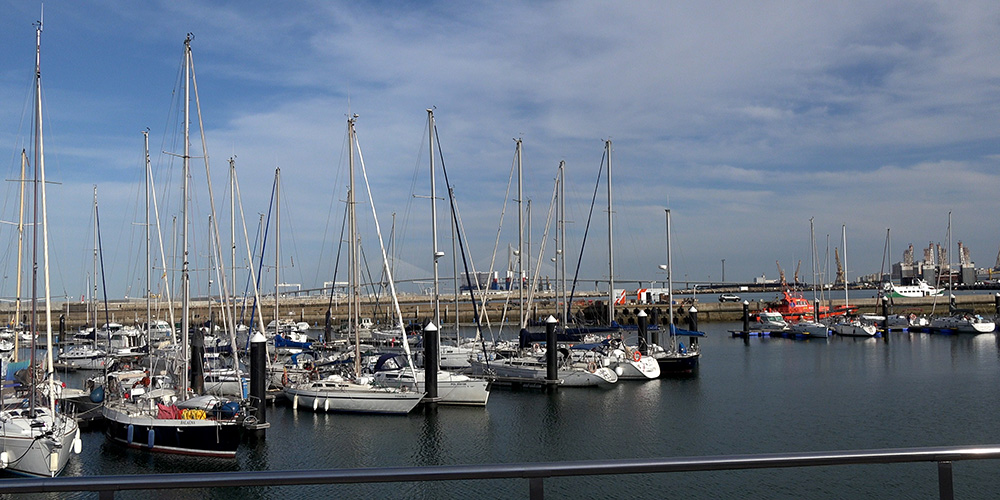
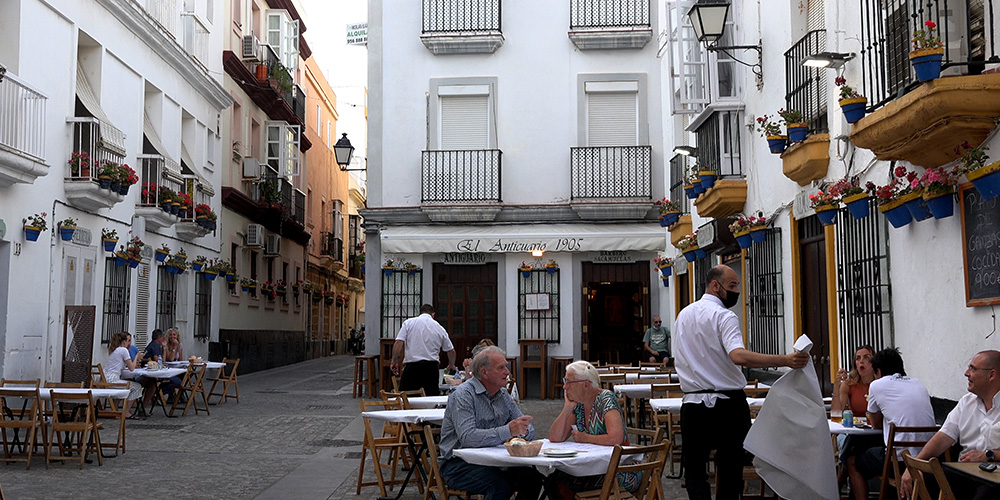
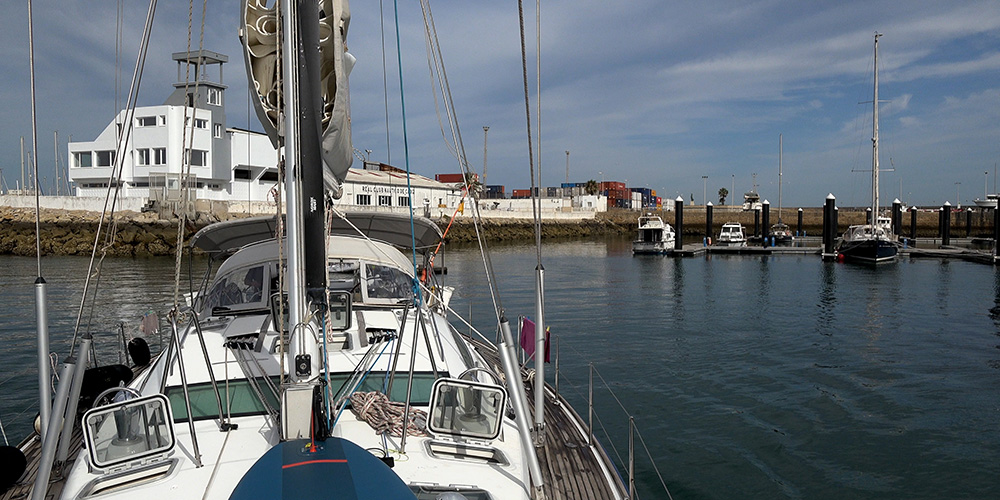
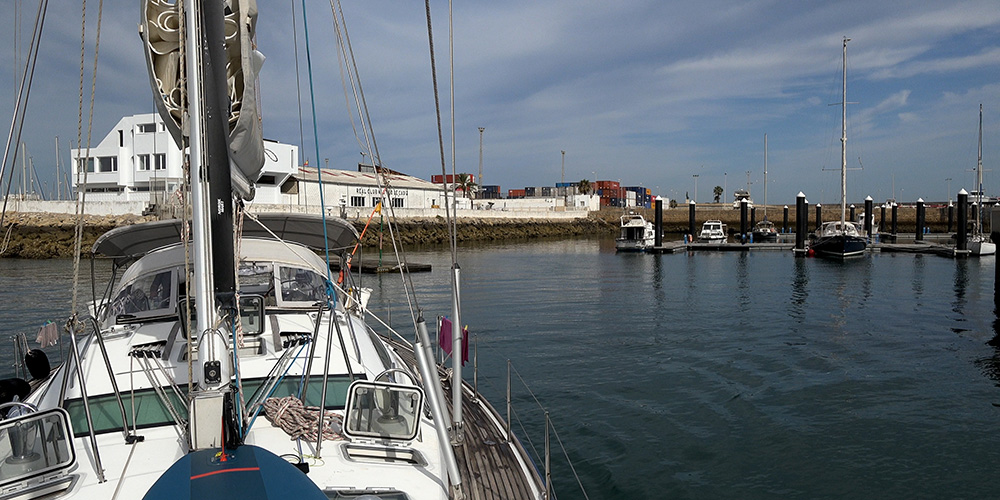
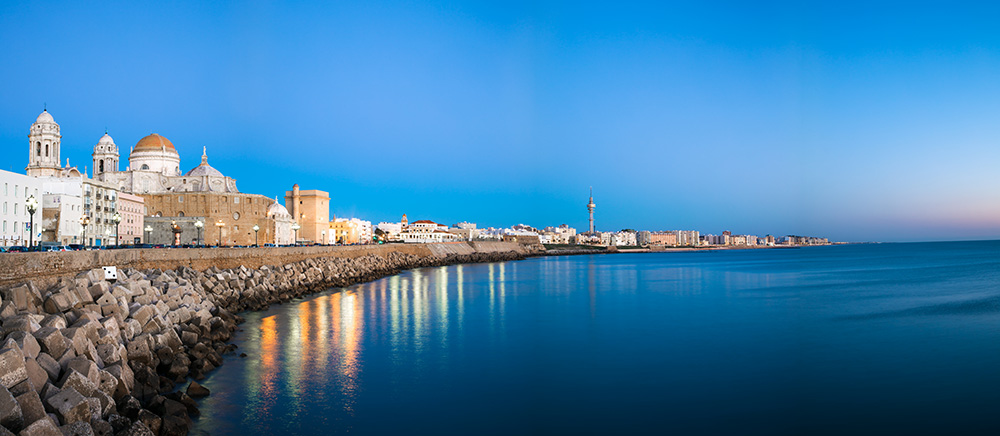
Cádiz is the oldest continuously inhabited city in Western Europe — and Marina Puerto América sits in the heart of it. Founded by Phoenician traders from Tyre around 1100 BCE as Gadir (the “walled place”), Cádiz has been a working port for ~3,000 years — under Phoenicians, Carthaginians, Romans (Gades, the second-most populous city of the Roman Empire after Rome itself for a brief period), Visigoths, Moors, and Spanish Crown. The city sits on a near-island peninsula jutting into the Atlantic — surrounded by water on three sides — with the historic centre a maze of narrow whitewashed streets, baroque churches, and 18th-century watch-towers (torres miradores) used by merchants to spot returning fleets from the Americas. For sailors, Marina Puerto América is the principal transient marina of Cádiz Bay, located on the Espigón Punta San Felipe breakwater within the city’s commercial port — 319 berths, max berths to ~30 m, VHF Ch 9, full services. Strategically, Cádiz is the major staging post on the W-Andalusian coast: 70 NM E of Mazagón (the gateway from the Algarve), 40 NM W of Tarifa (the gateway to the Strait), and a designated port of entry for Spain. ⚠ Approach note: in heavy weather or significant swell, use the buoyed Canal Principal into Cádiz harbour rather than cutting corners — this is a major commercial port with significant ship traffic.
⚠ Reality check before you arrive:
→ ⚠ Atlantic tides 2-3 m · plan approach + departure with tide tables
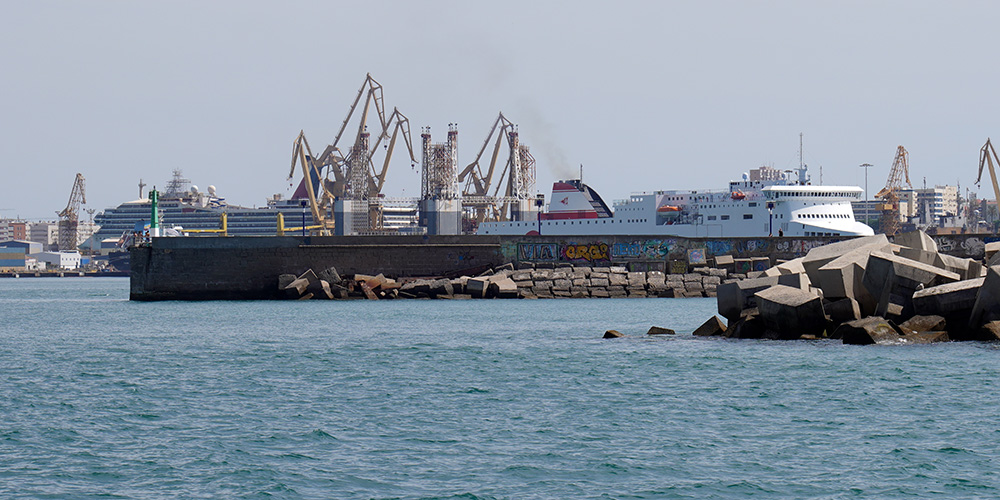
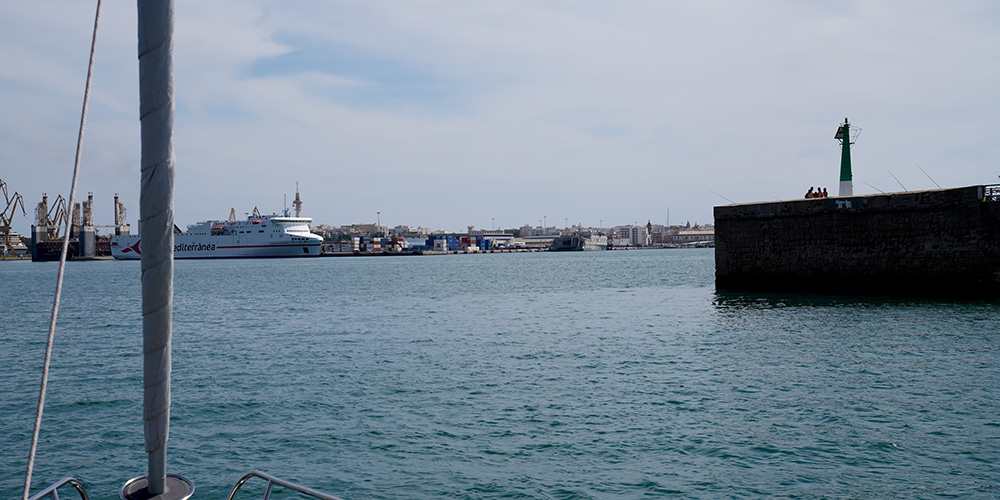
→ ⚠ Major commercial port · cargo + passenger ferries to Canary Islands · monitor AIS · use Canal Principal in heavy weather
→ ⚠ Levante (E) winds · accelerate through the Strait + reach Cádiz · 30-40 kt for days · check forecast before crossing in either direction
→ ⚠ Designated port of entry · clear in/out properly with the Capitanía Marítima if entering Spain from non-EU waters
→ ⚠ Provisioning walk · supermarkets are 10-15 min walk · the marina is in the commercial-port area, not the old town
→ ⚠ Marina availability · 319 berths but transient space is limited in summer · pre-book or arrive early Mon/Tue
⚓ Marina Puerto América at a Glance
Coordinates (breakwater)
36°32’43″N · 6°16’47″W
Berths
319
Operator
Agencia Pública de Puertos de Andalucía
VHF
Ch 9 (working) · Ch 16 (distress)
Nautical chart
Spanish IHM Chart 4430
Crane
10 tonnes
Status
Designated port of entry (Spain)
Distance · Mazagón
~70 NM NW
Distance · Tarifa
~40 NM SE
Distance · Sevilla
~120 km NE (or up Guadalquivir river)
Closest airport
Jerez (XRY) ~40 km · Sevilla (SVQ) ~120 km
Tidal range
2-3 m (Atlantic)
The Historical Importance of Cádiz
3,000 years of seafaring
→ ~1100 BCE · founded by the Phoenicians as Gadir · the oldest continuously inhabited city in Western Europe
→ 5th-3rd century BCE · Carthaginian naval base · Hannibal sailed from Gadir to invade Italy
→ Roman Empire · renamed Gades · briefly the second-most populous Roman city after Rome · Julius Caesar himself served as quaestor here
→ 1493 + 1502 · Columbus’s 2nd and 4th voyages departed from Cádiz
→ 1519 · Magellan + Elcano’s circumnavigation departed from Sanlúcar de Barrameda (50 km N of Cádiz)
→ 17th-18th century · Casa de la Contratación de Indias relocated from Sevilla to Cádiz · Cádiz became the monopoly port for Spain’s American trade
→ 1812 · the Constitution of Cádiz (La Pepa) was signed here · Spain’s first liberal constitution
→ Today · base of the Spanish Naval Training Ship Juan Sebastián de Elcano · the four-masted topsail schooner that trains every Spanish naval officer
Marina Services
→ Berth services: water + electricity (rate-included) · 24h surveillance + CCTV
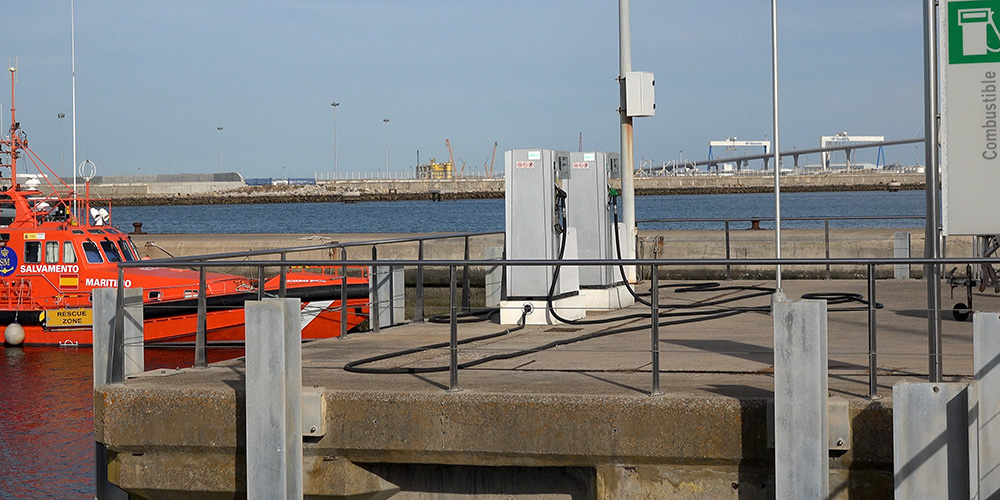
→ Fuel station · weather information · ice sales
→ 10-ton crane · dry stand · slipway · used oil collection
→ Mechanical + electrical workshop · marine repairs
→ Toilets + showers · public phone · taxi service · car rental
→ Bar-restaurant on-site
→ Fire-fighting service · navigation aid service
→ Note: water + electric included in the rate (Andalusian regional ports policy)
The Old City — 5 Minutes from the Marina
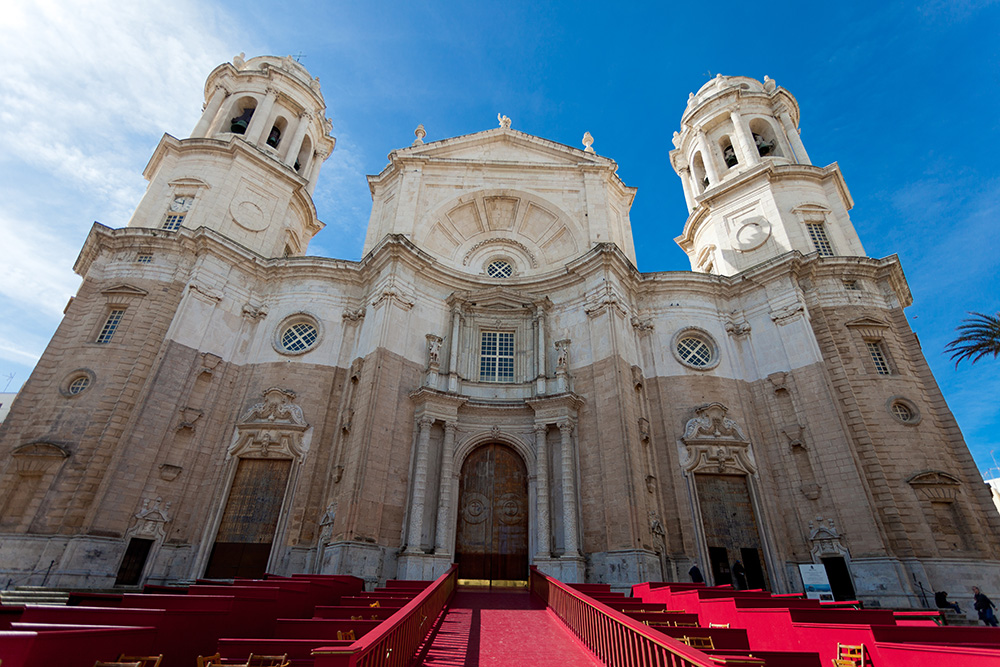
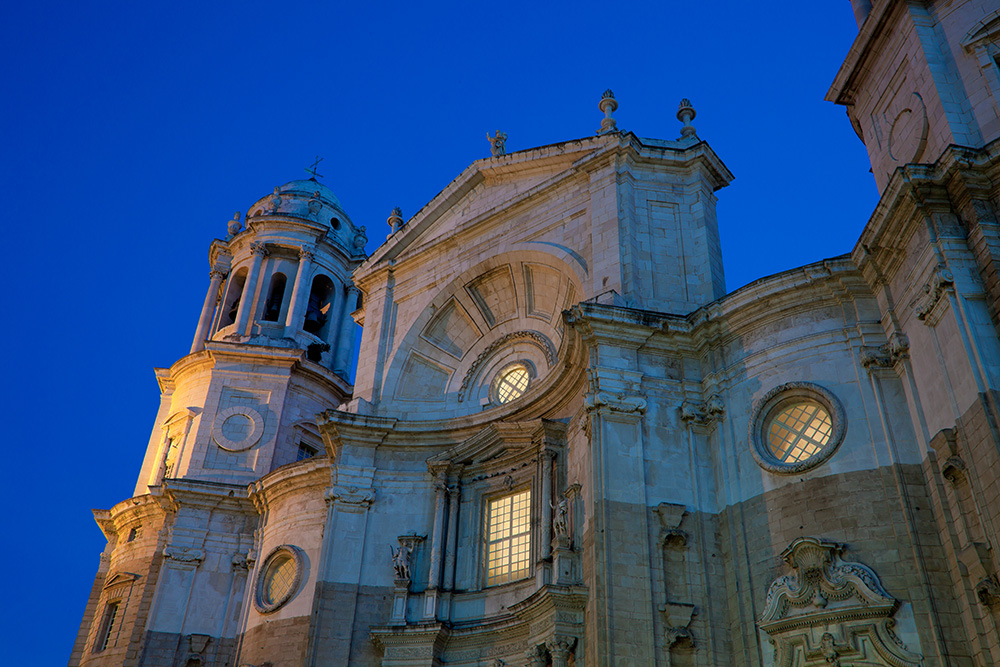
→ Catedral de Cádiz · 18th-century baroque + neoclassical · golden dome visible from sea · climb the Torre Poniente bell tower for views
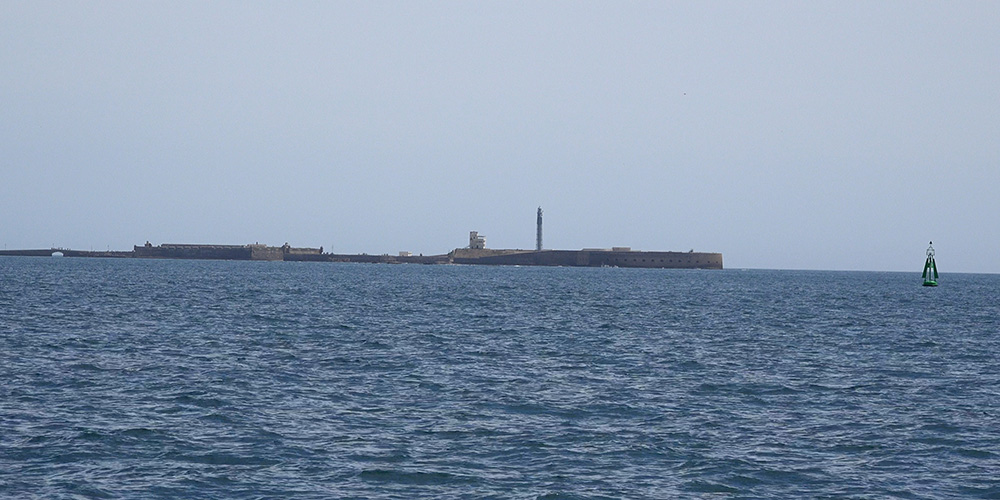
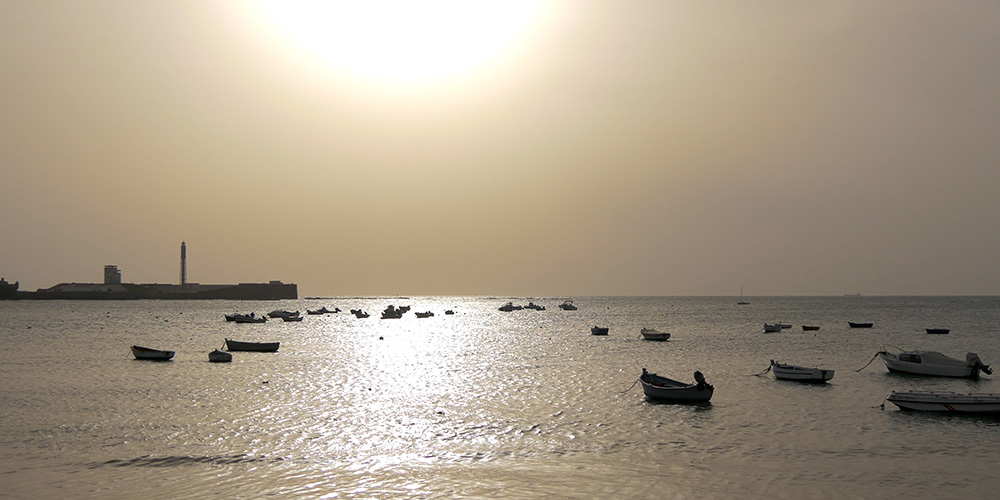
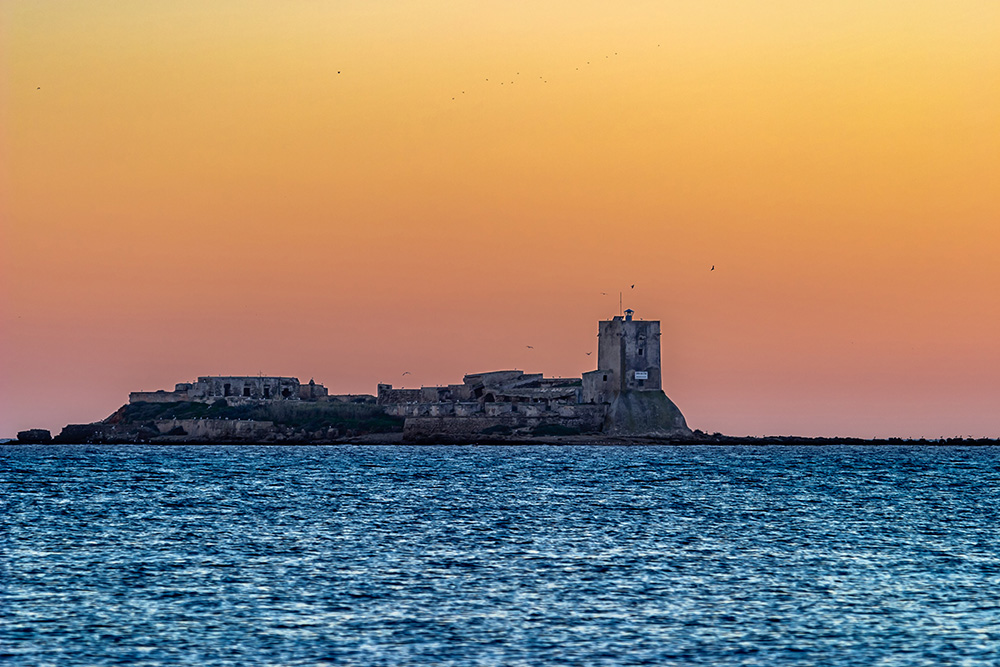
→ Castillo de San Sebastián · 18th-century fortress on a tiny island connected by causeway · the lighthouse
→ Castillo de Santa Catalina · star-shaped 1598 fortress · Felipe II had it built after the Anglo-Dutch raid
→ Mercado Central · 1838 covered market · the seafood pavilion is the gastronomic heart of the city
→ Teatro Romano de Cádiz · 1st-century BCE Roman theatre · only discovered in 1980 under the city’s medieval streets
→ Torre Tavira · 18th-century watchtower · camera obscura with a live view of the city · the highest of Cádiz’s 126 surviving merchant towers
→ Museo de Cádiz · Phoenician sarcophagi (1100 BCE!) · Roman + medieval finds
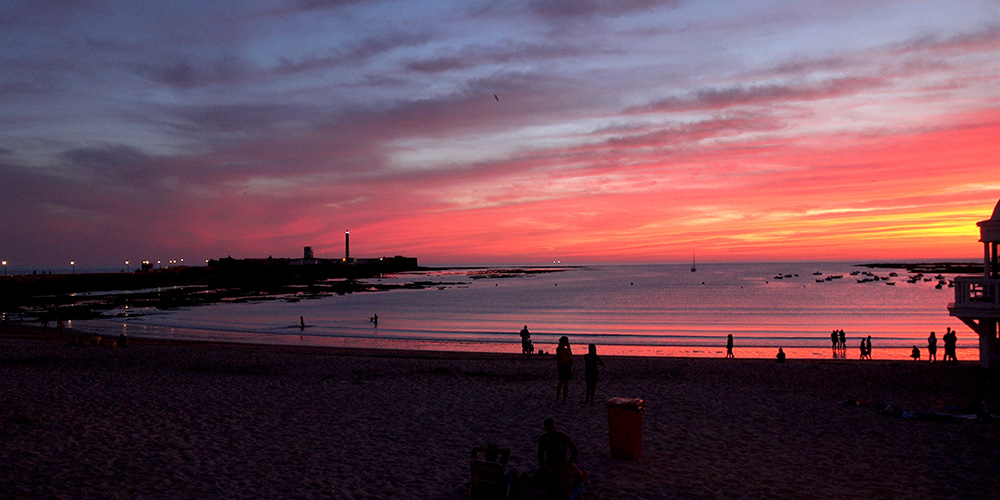
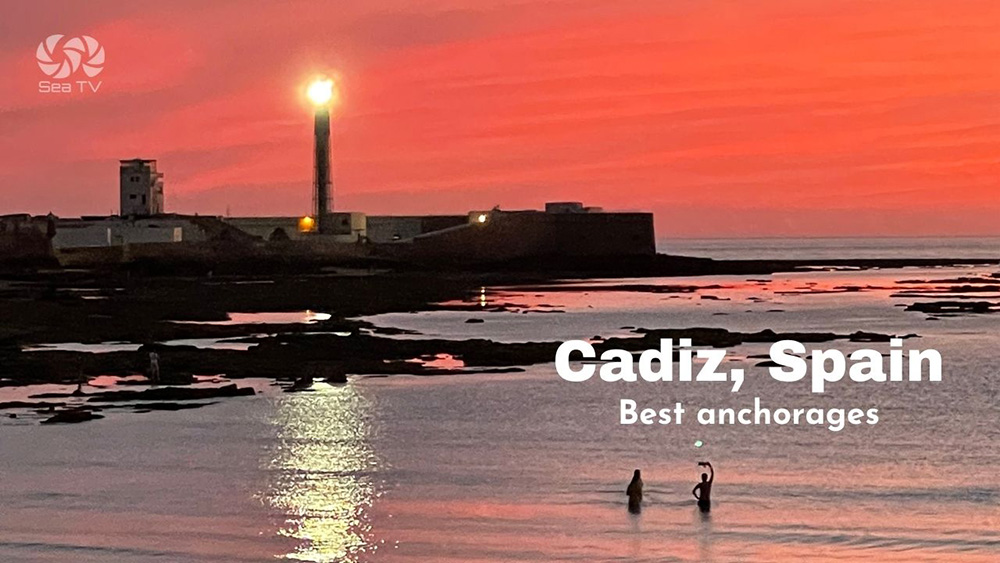
→ La Caleta beach · the city’s old harbour beach · sunsets over the Atlantic · used as Havana harbour in James Bond’s “Die Another Day”
→ Playa de la Victoria + Cortadura · the city’s long sand beaches on the SW side
Carnaval de Cádiz — One of Spain’s Three Great Carnivals
February · the satirical carnival
→ One of Spain’s three great carnivals (with Tenerife + La Palma) · the oldest of the three · roots in the 16th century
→ Two-week celebration in February (dates shift with Lent)
→ Chirigotas · satirical street choirs that compete in the Gran Teatro Falla · sharp political and social satire (Cádiz humour is famously irreverent)
→ Comparsas, coros, cuartetos · other competing groups
→ Declared an Asset of International Tourist Interest by Spain
Gaditano Food & Drink
Cádiz province specialties — eat at the Mercado Central + the seafront tapas bars:
→ Pescaíto frito · the fried-fish tradition · cones of crispy small fish (acedías, boquerones, chocos, pijotas)
→ Tortillitas de camarones · paper-thin shrimp fritters · the regional signature
→ Cazón en adobo · marinated dogfish · battered and fried · classic tapa
→ Atún rojo de almadraba · the bluefin tuna caught in May/June off Barbate using the Phoenician-era almadraba net technique · the most prized fish in Andalusia
→ Chicharrones de Cádiz · cold pork belly slices · classic with a glass of fino sherry
→ Sherry from Jerez · 40 km away · DO Jerez-Xérès-Sherry · Fino, Manzanilla, Amontillado, Oloroso · the world’s only “sherry” wine region
→ Brandy de Jerez · the Spanish brandy DOP · aged in old sherry casks
→ Vinagre de Jerez · sherry vinegar · DOP · the chefs’ secret weapon
Inland Day Trips from Cádiz
→ Jerez de la Frontera · 35 km · sherry capital · home of Andalusian horsemanship (Real Escuela Andaluza del Arte Ecuestre)
→ Sanlúcar de Barrameda · 50 km · the Manzanilla sherry town · the Magellan-Elcano departure point in 1519 · the August horse races on the beach
→ Sevilla · 120 km · UNESCO Cathedral · Alcázar · Plaza de España · Triana
→ Pueblos Blancos (White Towns) · Vejer de la Frontera + Arcos de la Frontera + Grazalema · 1-hour drive E
→ Ronda · ~140 km E · the cliff-edge gorge town · Hemingway’s writing retreat
⛵ Day Sails & Cruising from Cádiz
N-bound (Costa de la Luz):
→ Rota · ~10 NM N · across the Bay · US Naval Base + small marina
→ Sanlúcar de Barrameda · ~25 NM NW · Guadalquivir mouth · gateway to Sevilla up the river (~80 NM by river)
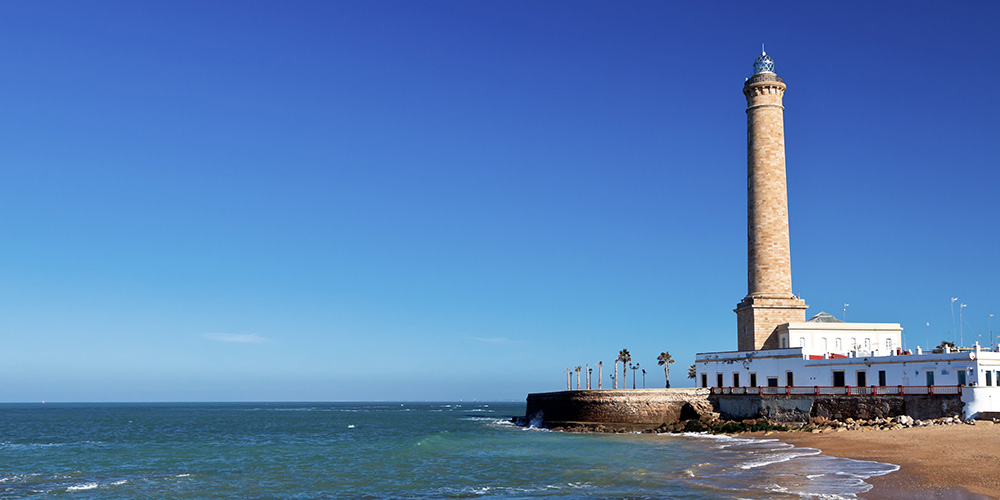
→ Chipiona · ~25 NM NW · marina + lighthouse
→ Mazagón (Huelva) · ~70 NM NW · gateway to Doñana + Algarve
→ Algarve coast (Portugal) · ~120-200 NM NW · see SeaTV Algarve hub
S-bound (toward the Strait):
→ Sancti Petri · ~10 NM SE · marina S of Cádiz · the start of Conil de la Frontera
→ Conil + Cabo de Trafalgar · ~20 NM SE · the 1805 Trafalgar battle headland
→ Puerto de Barbate · ~30 NM SE · last Atlantic shelter before the Strait
→ Tarifa · ~40 NM SE · Strait of Gibraltar
→ Gibraltar / La Línea · ~60 NM SE · Mediterranean entry
Contact & Emergency
Marina Puerto América: Espigón Punta San Felipe · 11006 Cádiz
Operator: Agencia Pública de Puertos de Andalucía · puertosdeandalucia.es
VHF: Ch 9 (working) · Ch 16 (distress)
Emergency: 112 · Maritime SAR: 900 202 202
Capitanía Marítima de Cádiz: +34 956 21 32 41 (port of entry formalities)
Hospital Universitario Puerta del Mar: +34 956 00 21 00 · Cádiz
Jerez Airport (XRY): ~40 km · 30 min by train (regular Cercanías service)
Sevilla-San Pablo Airport (SVQ): ~120 km · 90 min by car
⛵ Continue Exploring Andalusia
SeaTV Andalusia docking pages:
→ Mazagón (Huelva) — ~70 NM NW · Doñana + Columbus
→ Puerto de Barbate — ~30 NM SE · the last shelter before the Strait
→ Tarifa & the Strait of Gibraltar — ~40 NM SE
→ Gibraltar Marinas / La Línea — ~60 NM SE · Mediterranean entry
Adjacent SeaTV regions:
→ Andalusia hub — full Andalusian coverage
→ Spain cruising hub — all Spanish coasts + islands
“Cádiz is the oldest continuously inhabited city in Western Europe and Marina Puerto América sits in the heart of it · founded by Phoenician traders from Tyre around eleven hundred BCE as Gadir which means the walled place · Cádiz has been a working port for approximately three thousand years under Phoenicians and Carthaginians and Romans who called it Gades the second most populous city of the Roman Empire after Rome itself for a brief period and Visigoths and Moors and the Spanish Crown · the city sits on a near island peninsula jutting into the Atlantic surrounded by water on three sides with the historic centre a maze of narrow whitewashed streets and baroque churches and eighteenth century watch towers used by merchants to spot returning fleets from the Americas · for sailors Marina Puerto América is the principal transient marina of Cádiz Bay located on the Espigón Punta San Felipe breakwater within the city’s commercial port with three hundred nineteen berths and full services · strategically Cádiz is the major staging post on the western Andalusian coast seventy miles east of Mazagón the gateway from the Algarve and forty miles west of Tarifa the gateway to the Strait and a designated port of entry for Spain · this is where Columbus’s second and fourth voyages departed in fourteen ninety three and fifteen oh two and where Magellan and Elcano departed for the first circumnavigation in fifteen nineteen from nearby Sanlúcar de Barrameda · order pescaíto frito the fried fish tradition and tortillitas de camarones the paper thin shrimp fritters and atún rojo de almadraba the bluefin tuna caught off Barbate using Phoenician era nets and a glass of Fino sherry from Jerez forty kilometers away · the carnival in February is one of Spain’s three great carnivals with Tenerife and La Palma and the oldest of the three with roots in the sixteenth century · sail accordingly.”
— SeaTV · Andalusia · Cádiz · Marina Puerto América · 3,000 Years of Atlantic Sailing